
Last updated November 2, 2026
 Sweep & inspection
 Caps & crowns
 Flue relining
 Masonry repair
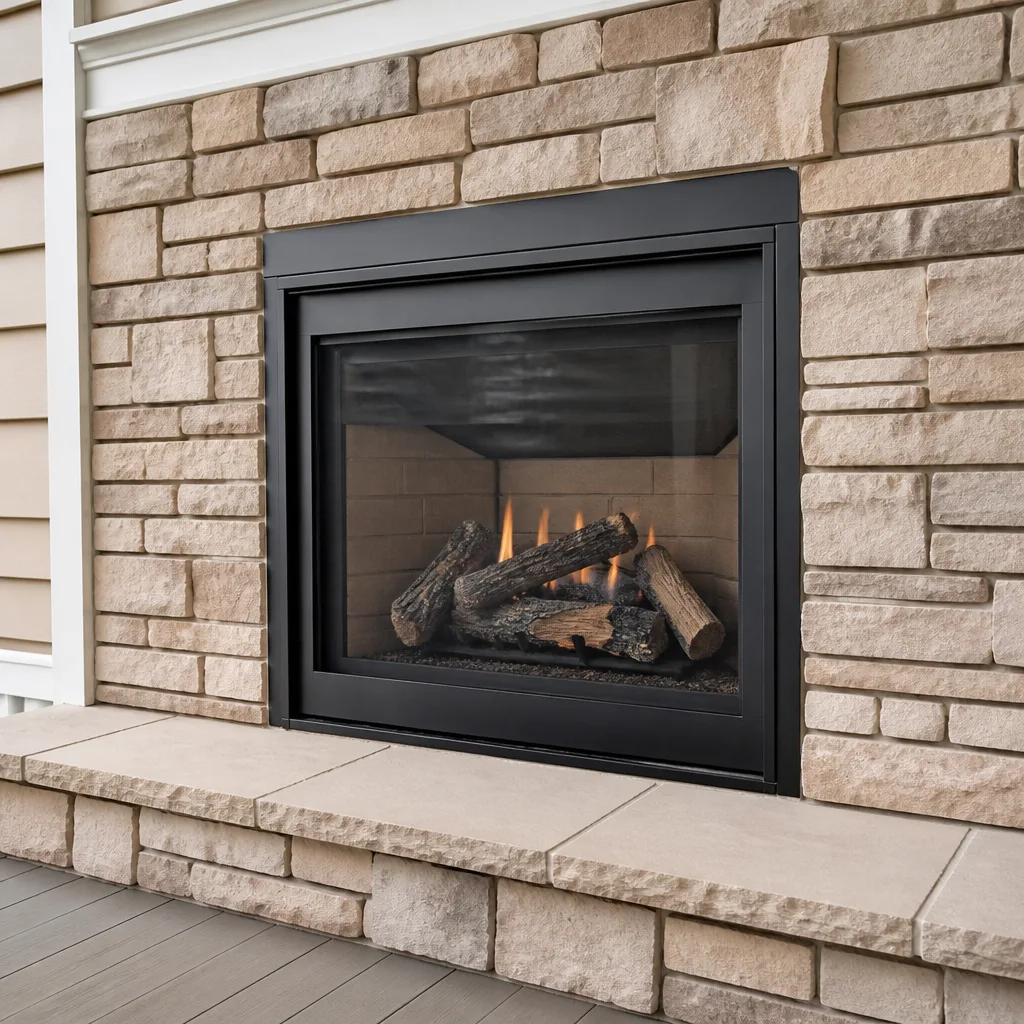 Gas fireplace service
Level 1 sweep and inspection to the NFPA 211 annual standard - flue, crown, cap, and flashing checked and photographed
Chimney sweep logs do not sweep chimneys. They loosen some creosote - which then falls where a brush and vacuum still have to collect it.
Chimney Cleaning Permits, Codes & Inspections in CA: What You Need to Know
A chimney relining job done without a permit in LA County isn’t just a code violation. It’s a disclosure liability that some title attorneys argue voids the “known defects” protection sellers rely on during escrow. We hear about this constantly from Reseda homeowners who discovered the previous owner “fixed” the fireplace before listing, and now the buyer’s inspector is asking for paperwork that doesn’t exist. This guide will walk you through the exact line between maintenance and alteration, what California code actually says, how NFPA 211 fits into local enforcement, and what your post-cleaning inspection report should document so you’re never left holding an unpermitted repair. For more guides & resources, visit our blog.
Styles & brands we work with
- Sweep & inspection
- Caps & crowns
- Flue relining
- Masonry repair
- Gas fireplace service
Quick Answer
Chimney cleaning and routine sweeping in California does not require a permit anywhere in the state, including Reseda and all of Los Angeles County. Permits are triggered by structural repairs, liner replacement, firebox rebuilding, or any alteration to the chimney system, not by maintenance work. If your sweep turns into a discovery of cracked flue tiles or a deteriorated liner, that’s the moment the project shifts from “no permit needed” to “pull a permit before any repair work begins.” Review our Chimney Sweep Maintenance Checklist for Reseda Homeowners to stay ahead of these issues.
Table of Contents
- Maintenance vs. Alteration: The Line That Determines Permit Requirements
- LA County Building Code Thresholds for Chimney Work
- California Health and Safety Code Section 17920.3 and Substandard Chimney Conditions
- How NFPA 211 Functions as California’s De Facto Chimney Standard
- What a Post-Cleaning Inspection Report Should Document for Insurance
- The LA County Permit Process Timeline for Chimney Repairs
- Reseda-Specific Factors: Climate, Housing Stock, and Common Findings
- Common Mistakes to Avoid
- When to Call a Professional
- Frequently Asked Questions
- The Bottom Line
Maintenance vs. Alteration: The Line That Determines Permit Requirements
California building codes draw one bright line through chimney work: maintenance stays on the unpermitted side, alteration crosses over. A chimney cleaning, a Level 1 inspection, replacing a rusted rain cap with a similar model, repointing a few loose mortar joints, and even replacing the damper plate are all classified as maintenance. No permit. The California Building Code (CBC) doesn’t consider any of those to be structural modifications.
Alteration starts the moment you change the system’s function, materials, or geometry. Installing a new stainless steel liner where none existed before is an alteration. Rebuilding smoke chamber walls with a different material is an alteration. Enlarging the firebox opening, changing from a masonry throat to a prefabricated damper assembly, or adding a chimney relining system like a DuraFlex flexible liner are all alterations that require permits in LA County.
Here’s the part that catches homeowners off guard: you don’t get to decide which category your project falls into. The building department does. A Reseda homeowner who removes cracked terra cotta flue tiles and drops in a new liner without telling anyone has performed unpermitted work under Section 105.1 of the CBC, regardless of whether the work improves safety. The intent doesn’t matter. The scope does.
In our experience, most unpermitted chimney work in Reseda isn’t done by shady contractors sneaking around at night. It’s done by well-meaning homeowners who got a quote, heard the permit adds time and cost, and decided the repair “isn’t really construction.” Then they sell the house three years later and the buyer’s home inspector flags the liner as “permit status unknown.” That’s when it becomes a real problem. Our Chimney Cleaning Warning Signs: A Reseda Homeowner’s Reference Guide explains how to spot trouble before it escalates.
LA County Building Code Thresholds for Chimney Work
Los Angeles County adopts the California Building Code with local amendments. For chimney work, the relevant sections are in CBC Chapter 10 (Chimneys and Fireplaces) and the county’s administrative code on permit requirements. The county doesn’t publish a separate “chimney permit guide,” which is why the thresholds feel vague to homeowners. But county plan checkers apply consistent internal rules.
Here are the practical thresholds in plain language:
- No permit needed: Sweeping, creosote removal, video scanning, Level 1 and Level 2 inspections, cap or spark arrestor replacement (same footprint), minor mortar repointing under 10 square feet, damper plate replacement, rain cap installation.
- Permit needed: Liner installation or replacement (including HeatShield resurfacing that alters the flue wall dimensions), smoke chamber parging that changes fire-resistance rating, firebox brick replacement exceeding 30% of the firebox surface, chimney crown rebuild, flue tile removal, adding height to the chimney stack, changing fuel type (wood to gas or gas to wood).
- Grey zone that county inspectors treat as alteration: Full repointing of the entire chimney exterior above the roofline, any work that requires scaffolding over the roofline, repairing a leaning or separated chimney structure, removing and resetting the chimney cap assembly with a different size or type.
The county’s test, in practice, comes down to this: does the work change the chimney’s structural load path, fire-resistance assembly, or venting capacity? If yes, plan check expects a permit. If no, it’s maintenance.
For Reseda specifically, the 1960s and 1970s tract homes north of Vanowen Street were built with unlined or clay-tile-lined masonry chimneys. Those chimneys now hit the 50 to 60 year mark, and cracked clay tiles are the norm, not the exception. The typical finding in Reseda is a flue that needs a liner solution, and the typical permit question follows right behind it.
California Health and Safety Code Section 17920.3 and Substandard Chimney Conditions
California Health and Safety Code Section 17920.3 defines what makes a building substandard. It’s the enforcement tool used by code enforcement officers when a property has conditions that endanger occupants. For chimneys, the relevant language covers “any chimney, flue, or vent which is defective, deteriorated, or is in a condition that creates a fire hazard or a health hazard.”
What does that mean for a Reseda homeowner or landlord? If a chimney has visible cracks, spalling brick, a missing cap, or flue damage that allows combustion gases to enter the living space or framing cavities, the property can be cited as substandard under 17920.3. This isn’t an obscure code section. It’s the legal basis for red-tagging a fireplace and requiring repair before further occupancy use.
For landlords in Reseda, this creates specific legal exposure. Substandard conditions under 17920.3 trigger habitability obligations. A tenant who reports a smoky fireplace, visible soot staining around the firebox, or a carbon monoxide alarm that keeps going off can file a complaint with LA County’s Code Enforcement or the Health Department. The result is an inspection, a citation, and a repair order with a deadline.
The substandard designation matters because it converts chimney maintenance from optional to mandatory. A homeowner can decide to live with a chimney they never use. A landlord can’t make that decision for a tenant. The code says the building must be free of substandard conditions, period.
Our repair work in Reseda often starts with a code enforcement letter. The landlord was cited, the tenant documented the draft problem, and suddenly there’s a deadline. In those cases, getting a HeatShield-certified resurfacing or a properly specified DuraFlex liner installed with the right permits isn’t just about code compliance. It’s about resolving the citation so the rental can keep operating.
How NFPA 211 Functions as California’s De Facto Chimney Standard
NFPA 211 is published by the National Fire Protection Association and titled “Standard for Chimneys, Fireplaces, Vents, and Solid Fuel-Burning Appliances.” It’s not a California statute. You won’t find NFPA 211 in the California Health and Safety Code or the CBC as adopted language. But California building inspectors, fire marshals, and insurance adjusters all reference it as the technical standard for what constitutes a properly maintained chimney.
Here’s how it works in practice. The CBC tells you what requires a permit. NFPA 211 tells you how the work should be done. When a chimney repair is submitted for plan check in LA County, the drawings and specifications are evaluated against NFPA 211 requirements for clearances, liner materials, termination heights, and combustion air. The permit is a county document. The compliance standard is NFPA 211.
NFPA 211 is also the document your insurance company will cite after a chimney fire. It defines the inspection classification system (Level 1, Level 2, Level 3) that every professional chimney technician uses. A Level 2 inspection is required by NFPA 211 when a property changes hands, after any chimney fire, after any seismic event, and after any change to the appliance or venting system. For help interpreting what inspectors find, see our Chimney Sweep Troubleshooting: Common Problems and How to Fix Them. That’s not a local rule. That’s the industry standard your carrier expects.
For Reseda homeowners, the practical takeaway is this: when a buyer’s home inspector says “chimney does not meet NFPA 211,” they’re not citing California law. They’re citing the professional standard that California enforcement agencies use as their reference point. You can’t argue your way out of it by saying “it’s not in the code.” The county inspector and the insurance underwriter both treat NFPA 211 as the operative guide.
Professionals who work with materials from Olympia Chimney and Copperfield are doing so because those products are specified, tested, and listed to meet NFPA 211 standards. The material choice isn’t arbitrary. A liner that isn’t listed to UL 1777 (the testing standard NFPA 211 references for liners) won’t pass plan check if the permit reviewer checks product specs.
What a Post-Cleaning Inspection Report Should Document for Insurance
After a chimney fire or a smoke event, your insurance carrier is going to ask for documentation. A verbal assurance that “the chimney guy said it’s fine” won’t do it. Carriers want a written inspection report that follows NFPA 211 documentation standards. The specific contents matter because claims adjusters use those details to decide whether coverage applies and what remediation they’ll pay for.
A properly documented post-cleaning inspection report should include:
- The inspection level performed (Level 1, 2, or 3 under NFPA 211). Level 2 is the minimum after any fire event.
- Photographic or video evidence of the flue interior, with timestamps and clear labeling of findings.
- Specific measurements: flue diameter, liner thickness (if metal), clay tile dimensions, clearance-to-combustibles at each floor level.
- Creosote classification: first, second, or third degree as defined by NFPA 211. Third-degree (glazed) creosote must be removed before further use.
- Damage assessment: cracked tiles noted by location and severity, spalling, open mortar joints, water intrusion signs.
- Recommendations with rationale: each recommended repair should state what’s wrong, what code or standard section it violates, and what the fix is.
- The technician’s certification and company information, including CSIA or equivalent credentials.
Claims adjusters also want to see whether the creosote accumulation that fueled the fire was preventable through normal maintenance. If your cleaning records show the chimney was swept within the past 12 months and the report documents adequate maintenance, the carrier can’t deny on the grounds of neglect. If there’s no documentation at all, the adjuster will assume neglect and the claim gets harder.
In our experience with Reseda homeowners filing chimney fire claims, the difference between a paid claim and a disputed one often comes down to the report. A vague one-paragraph invoice that says “swept and inspected” doesn’t satisfy a carrier. A full report with photos, measurements, and recommendations does. We routinely provide the full documentation because we know what adjusters look for.
The LA County Permit Process Timeline for Chimney Repairs
If your chimney repair does require a permit in LA County, here’s the process, with realistic timelines based on current county workflows. The timeline for Reseda addresses is handled by LA County’s Building and Safety Division since Reseda falls under county jurisdiction.
- Days 1-3: Scope and documentation. Your contractor assesses the chimney, determines what requires a permit, and photographs the existing conditions. This is when the work gets scoped: liner replacement, firebox rebuild, crown repair, whatever it is.
- Days 3-7: Permit application submission. The contractor files the permit application online through the county E-Permit portal or in person at the Van Nuys District Office. The application includes drawings, material specifications, and the scope of work. Small chimney repairs are often classified as “Express Permits” if they meet specific criteria (no structural change to load-bearing elements, no change to venting capacity).
- Days 7-21: Plan check review. Express permits get same-day or next-day approval. Full plan check for larger alterations (chimney rebuild, fuel type changes) can take two to three weeks depending on volume. At this stage, the county verifies that the liner or repair material meets the listing requirements in NFPA 211.
- Days 21-28: Permit issuance. Once approved, the permit fee is paid and the permit is issued. Fees for chimney work are typically calculated on a valuation basis, with minimum fees applying to smaller jobs.
- During work: Inspection scheduling. The contractor schedules inspections at the required stages. For liner work, the county typically requires an inspection before the liner is concealed (so the inspector can see the product and its listing), then a final inspection after completion.
- After final inspection: Documentation. The final inspection is signed off and the permit is closed. Homeowners should keep the signed permit card and final inspection record. This is the document that proves the work was permitted at resale.
The most important verification step happens before the work starts. Any homeowner can verify a permit exists by calling the LA County Building and Safety Division or checking the online permit portal. If your contractor claims they pulled a permit, ask for the permit number. Then verify it. A legitimate contractor has no reason not to provide it.
This matters in Reseda because the housing stock is older and chimneys are frequently flagged during resale inspections. A buyer who sees “liner replaced 2023, permit # available” on the disclosure has no concern. A buyer who sees “liner replaced 2023, no permit information” starts asking questions. Those questions cost sellers money in the form of price concessions, or they kill the deal entirely.
Reseda-Specific Factors: Climate, Housing Stock, and Common Findings
Reseda’s climate creates specific chimney conditions that homeowners in other parts of California don’t face, and the patterns shape what permits and repairs come up most often. Reseda sits in the San Fernando Valley’s heat zone, where summer temperatures regularly cross 100 degrees. That thermal cycling is brutal on masonry chimneys. The clay tile liners in 1960s-era Reseda homes expand and contract with every heat wave, and the resulting cracks are the single most common repair trigger we see.
The rainy season here, short as it is, also does damage. Reseda gets most of its rain in a few intense storms between December and March. A chimney crown with hairline cracks lets water in during those storms, and water plus heat expansion equals freeze-thaw spalling in the brickwork. Reseda homeowners may not think about freeze-thaw damage in a Valley climate, but the temperature swings between hot daytime sun and cold winter nights are enough to propagate existing cracks.
The housing stock itself is a factor. Most Reseda chimneys are either Site-built masonry fireplaces from the 1950s and 1960s construction boom, or prefabricated metal chimneys in the newer development pockets. The masonry chimneys almost all share the same design: clay flue tiles set in mortar with a masonry outer wythe. When the clay tiles crack, the fix is either a HeatShield resurfacing job that restores the interior flue surface, or a full reline with a DuraFlex flexible liner that’s specified for the existing flue dimensions. Both are code-compliant approaches. The material choice depends on the failure mode.
Neighborhood-specific notes: the homes north of Valerio Street that back up to the LA River flood channel see more wind-driven rain than the flatter blocks south of Sherman Way, which affects cap and crown wear. The older pocket around Reseda Boulevard and Vanowen has a high concentration of original clay tile liners that are at end of life. And the two-story homes in the western Reseda neighborhoods have longer flue runs that make liner installation more complex and more dependent on proper measurements.
What we also see in Reseda is the dry venting overlap. Homes with fireplaces often have the dryer vent terminating on the roof near the chimney chase. The same water intrusion and cap failure that affects a chimney also affects a roof-terminated dryer vent. Homeowners who address one and ignore the other end up calling us a year later for the second problem. That’s why Dryer Vent Cleaning in Reseda is a service we recommend alongside chimney work when the vent run is exposed to the same roof conditions.
Common Mistakes to Avoid
- Assuming the sweeping contractor is also pulling permits. A chimney sweep can clean and inspect without any permit. That doesn’t mean they’re licensed or authorized to do repair work that requires one. Ask specifically: “Does this repair require a permit, and are you pulling it?” Get the answer in writing.
- Letting a handyman “relining” a flue with no permit. We’ve seen more unpermitted liner installations from general handymen than from actual chimney companies. A $1,200 liner job installed without a permit becomes a $4,000 problem when the resale inspector flags it.
- Not documenting the condition of the chimney before repair work begins. Without pre-repair photos and a written condition report, you can’t prove what the repair was meant to fix. This matters for those insurance claims and code enforcement cases.
- Ignoring the substandard condition designation because you don’t use the fireplace. California code doesn’t care whether you use it. A substandard chimney can trigger a citation even if the fireplace has been unused for years. Renters are especially exposed here.
- Confusing “certified” with “permits pulled.” A contractor with CSIA certification is trained to inspect and clean. Certification doesn’t automatically authorize permitting work. Confirm the permit status separately.
- Waiting until resale to find out the chimney work was unpermitted. The worst time to discover an unpermitted liner is during escrow, when you’re negotiating with a buyer who now has all the leverage. Verify permits when the work is done, not when you’re selling.
- Doing chimney repairs yourself to save money without checking the threshold. Some repairs look simple and cross the alteration line. Rebuilding a firebox or relining a flue is not a DIY project under California code, and doing it unpermitted carries the same disclosure liability as hiring an unpermitted contractor.
When to Call a Professional
If your chimney has visible cracks in the masonry, water stains on the ceiling near the fireplace, or you’ve had a chimney fire, you need a professional inspection before the chimney is used again. The same applies if you’re buying a home in Reseda and the inspection report flagged the chimney, or if you’re selling and the buyer’s inspector wants documentation of past repairs. A Level 2 inspection with video documentation will establish what the actual condition is, which is the starting point for any repair discussion.
For Reseda homeowners who want to know whether their chimney repair requires a permit, we’ll come out, assess the condition, and tell you honestly whether the work falls under maintenance or alteration. Our Chimney Repair in Reseda service includes the full condition documentation that satisfies insurance carriers and code enforcement. Chimney Sweep Reseda home is where you’ll find the scope of what we do. If you want to talk through your situation, call (866) 562-0968 for a free estimate in Reseda.
Frequently Asked Questions
No. Routine chimney sweeping, creosote removal, and standard inspections are classified as maintenance work and do not require a permit anywhere in California, including Reseda and all of LA County. Permits only become necessary when the sweep or inspection reveals damage that requires structural repair, liner replacement, or any change to the chimney system beyond routine upkeep.
Chimney repair permit fees in LA County are valuation-based, meaning the fee scales with the estimated cost of the repair work. Small liner replacement jobs typically carry minimum permit fees, which in current county schedules run a few hundred dollars, but the exact amount depends on the project valuation and any plan check fees that apply. Your contractor should include the permit fee as a line item in the quote so you know exactly what you’re paying for.
You must disclose the unpermitted work on the seller’s disclosure forms, and failing to do so creates legal liability that can survive the sale. Buyers often ask for a price reduction to cover the cost of bringing the work into compliance, and in some cases the lender will require the permit to be closed before funding. The cleanest path is to pull the permit retroactively, which LA County allows for work that meets current code, or to have the work inspected and permitted before listing.
Ask for the permit number, then verify it through the LA County Building and Safety Division’s online permit portal or by calling the Van Nuys District Office. A legitimate contractor will provide the permit number before work begins. If the contractor stalls, gives you a vague answer, or tells you “you don’t need one” for work that clearly crosses the alteration line, find another contractor.
No. A Level 2 inspection under NFPA 211 is a non-invasive inspection that typically includes video scanning of the flue interior and assessments of accessible areas. It’s an inspection, not an alteration, so no permit is required. Level 2 inspections are standard practice after a chimney fire, before a property sale, and before converting an appliance to a different fuel type.
For relining work, LA County expects liners that are listed to UL 1777, which is the testing standard for chimney liner systems. This includes properly specified flexible stainless steel liners like DuraFlex and resurfacing systems like HeatShield that are applied by certified technicians. A liner that isn’t UL 1777-listed won’t pass plan check, which is why we match the liner material to the specific flue condition rather than using a one-size-fits-all fix.
The Bottom Line
Chimney cleaning in California requires no permit. Chimney repair often does. The line between those two categories is where Reseda homeowners get into trouble, and it’s a line you need to understand before any work begins. If your sweep finds damage, ask whether the recommended repair crosses the maintenance/alteration threshold. If it does, insist on a permit and verify it exists. If you’re buying, verify that any past chimney work was permitted. If you’re selling, document everything. And if you’re not sure, call a professional who can assess the actual condition and tell you honestly what the work requires. Call (866) 562-0968 for a free estimate in Reseda.
Written by the team at Chimney Sweep Reseda, serving Reseda since 2012.
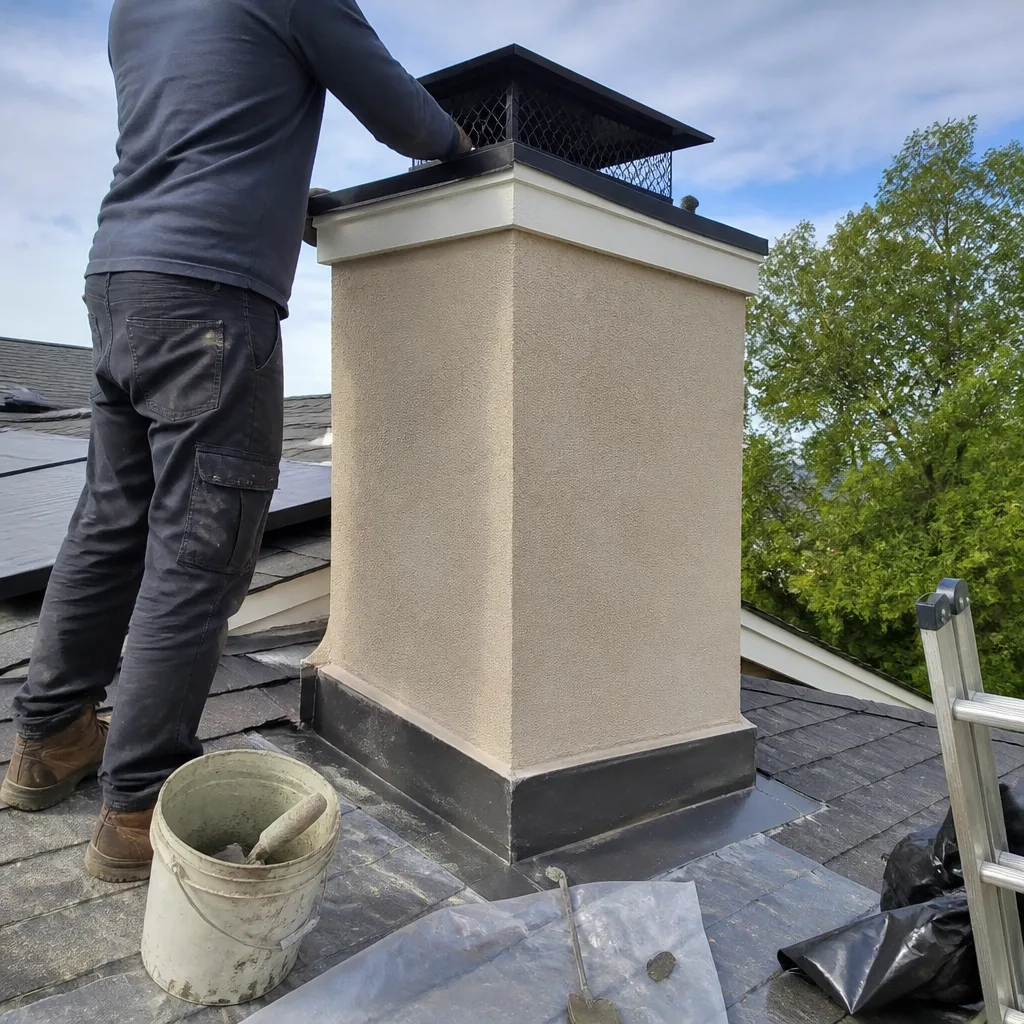
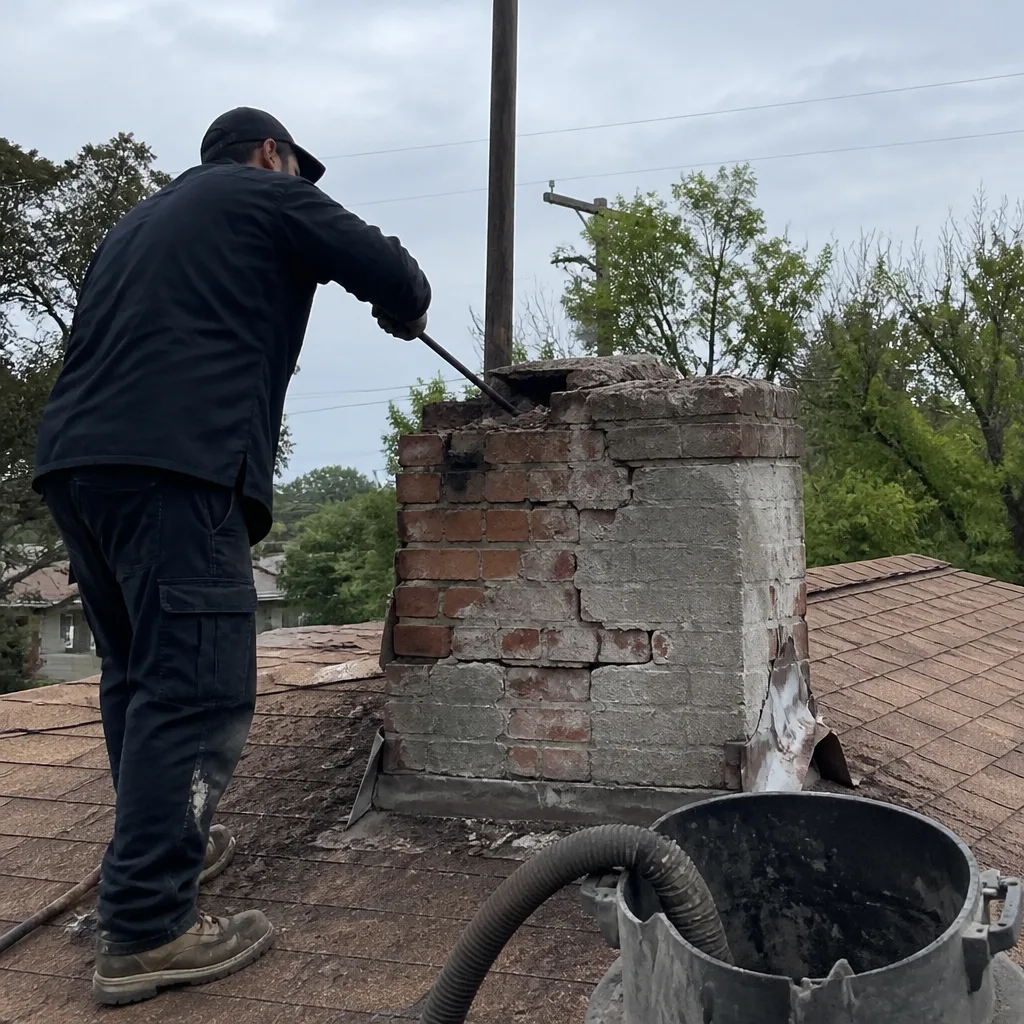
See the difference
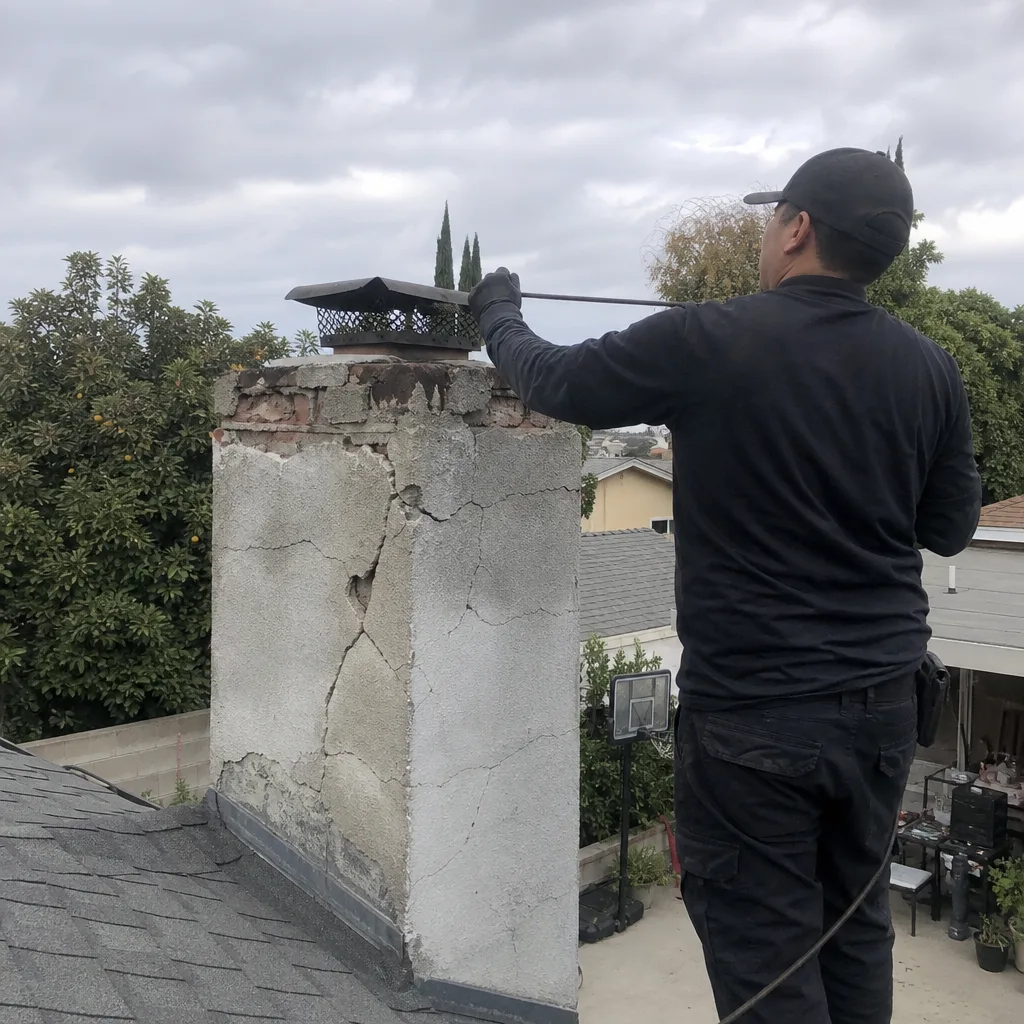 Before
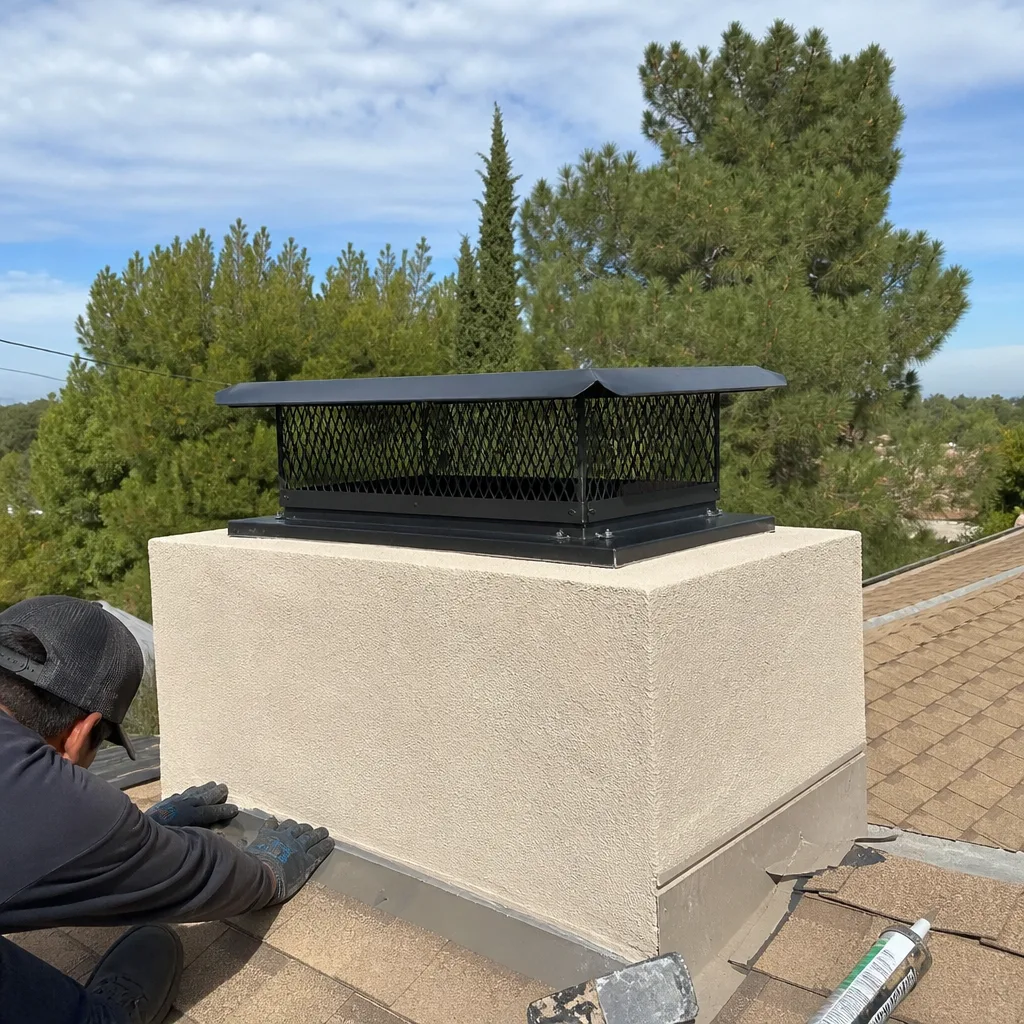 After
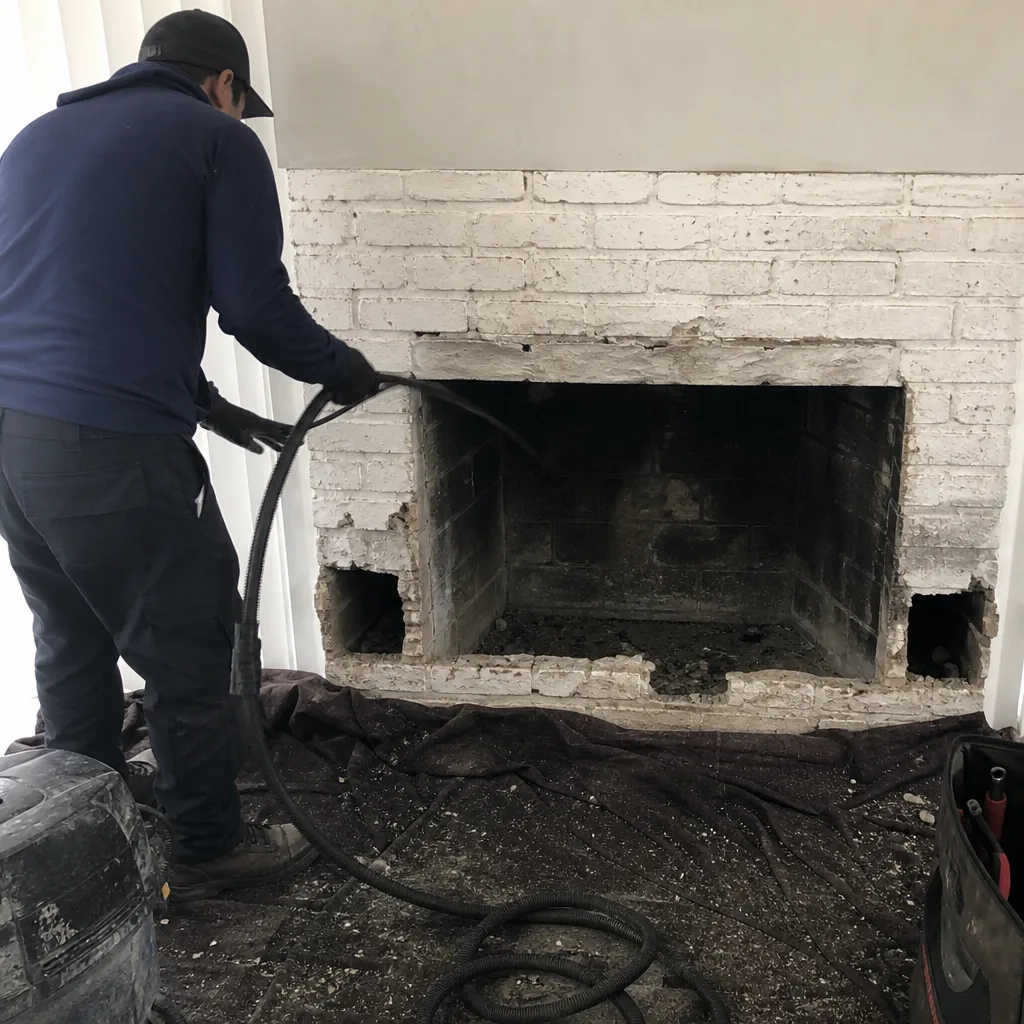 Before
 After
 Before
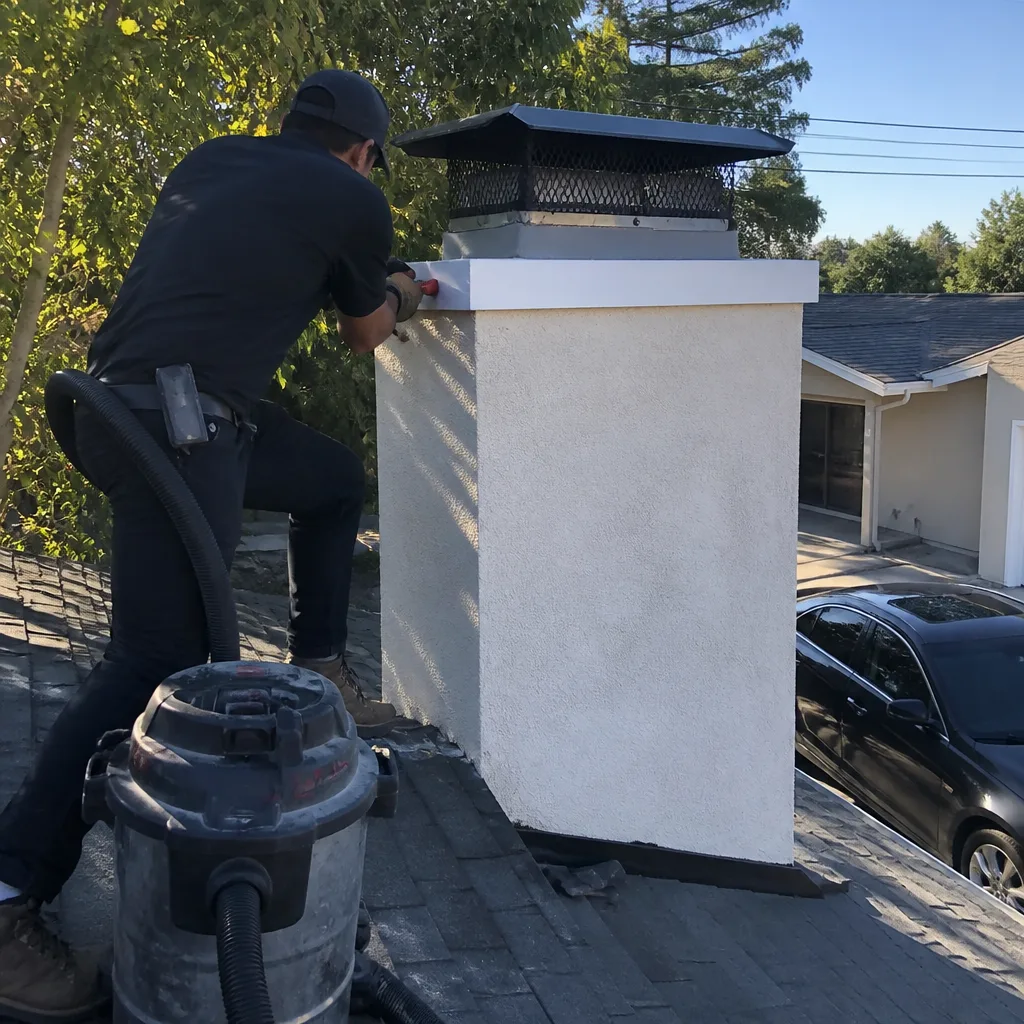 After