
Last updated November 2, 2026
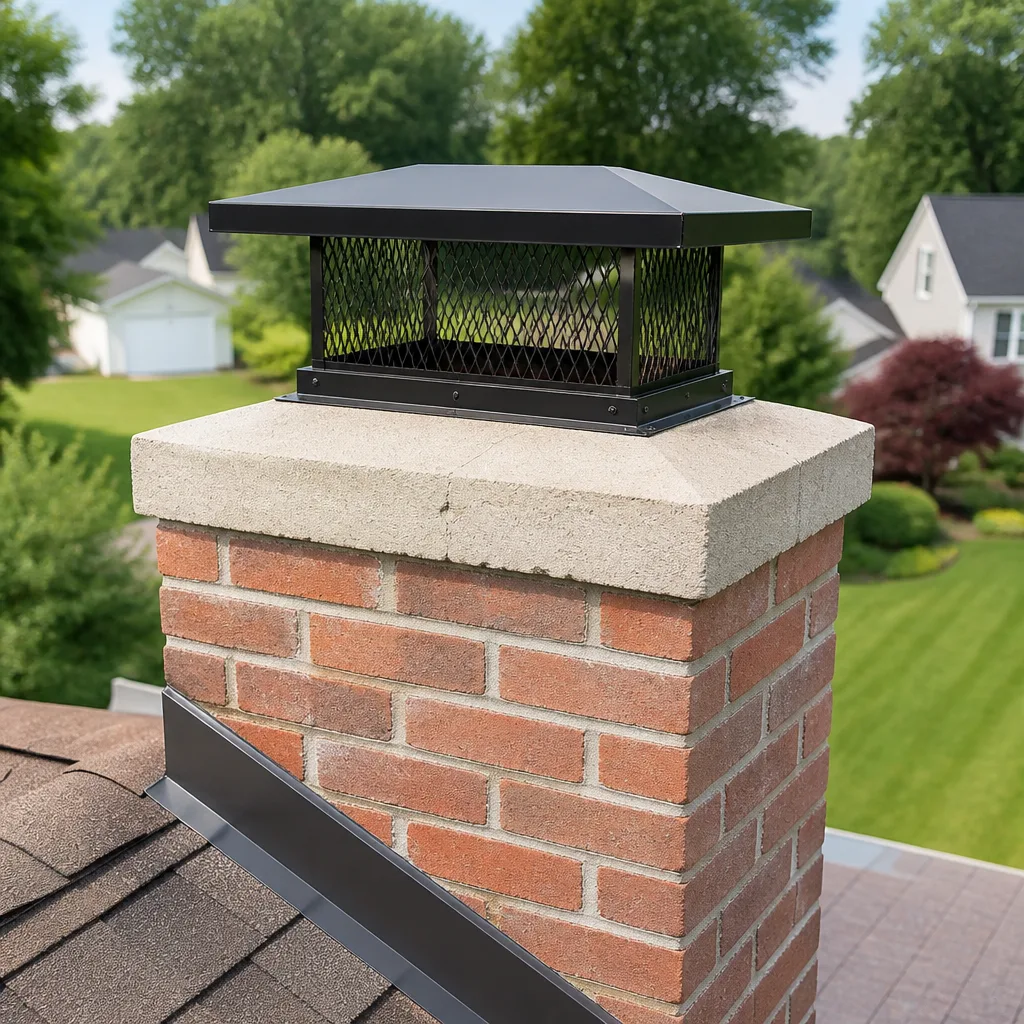 Sweep & inspection
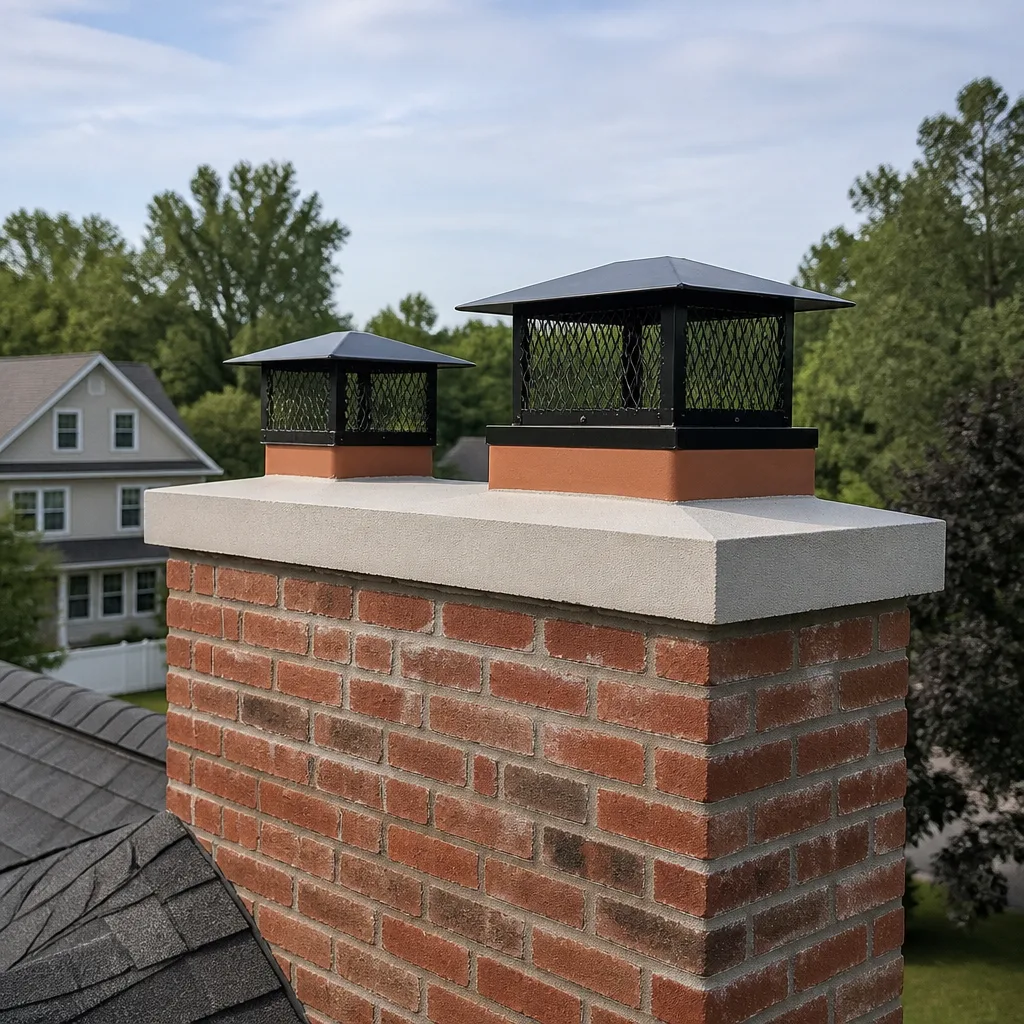 Caps & crowns
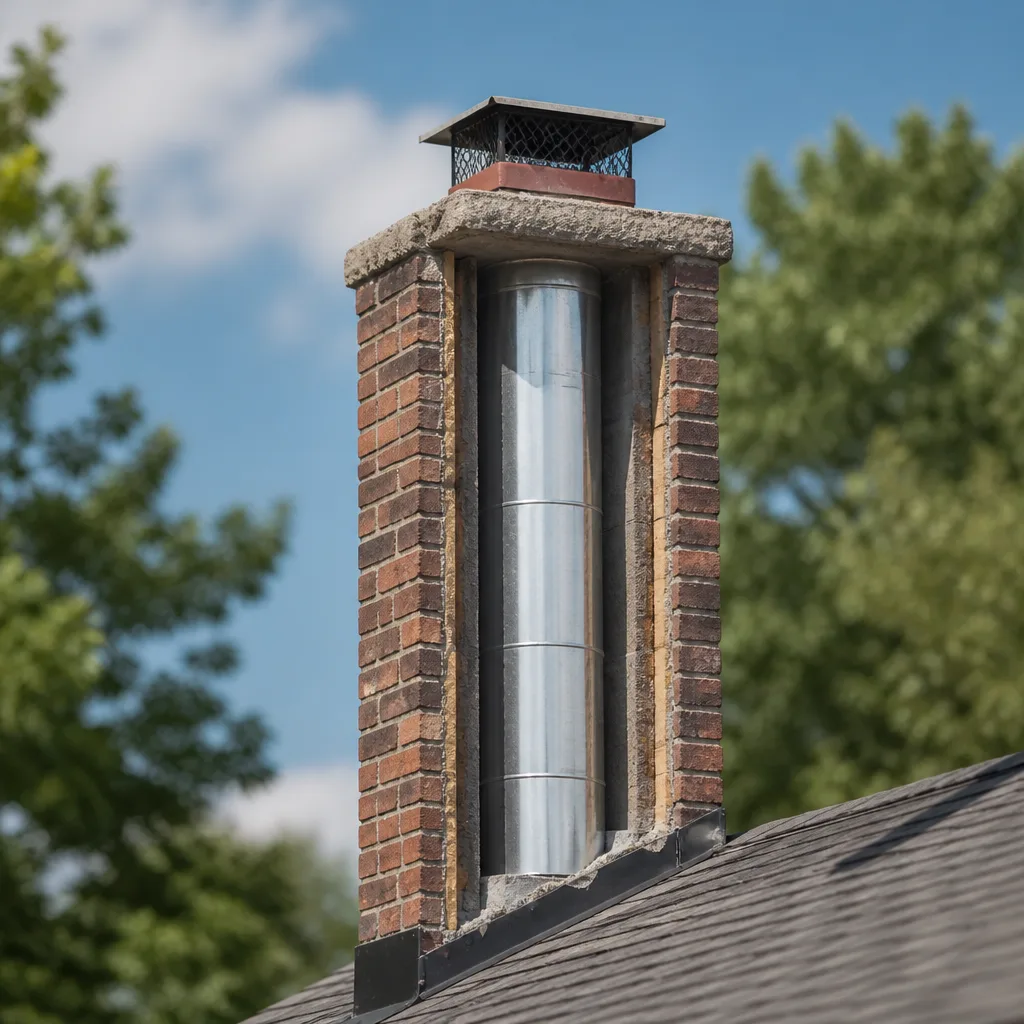 Flue relining
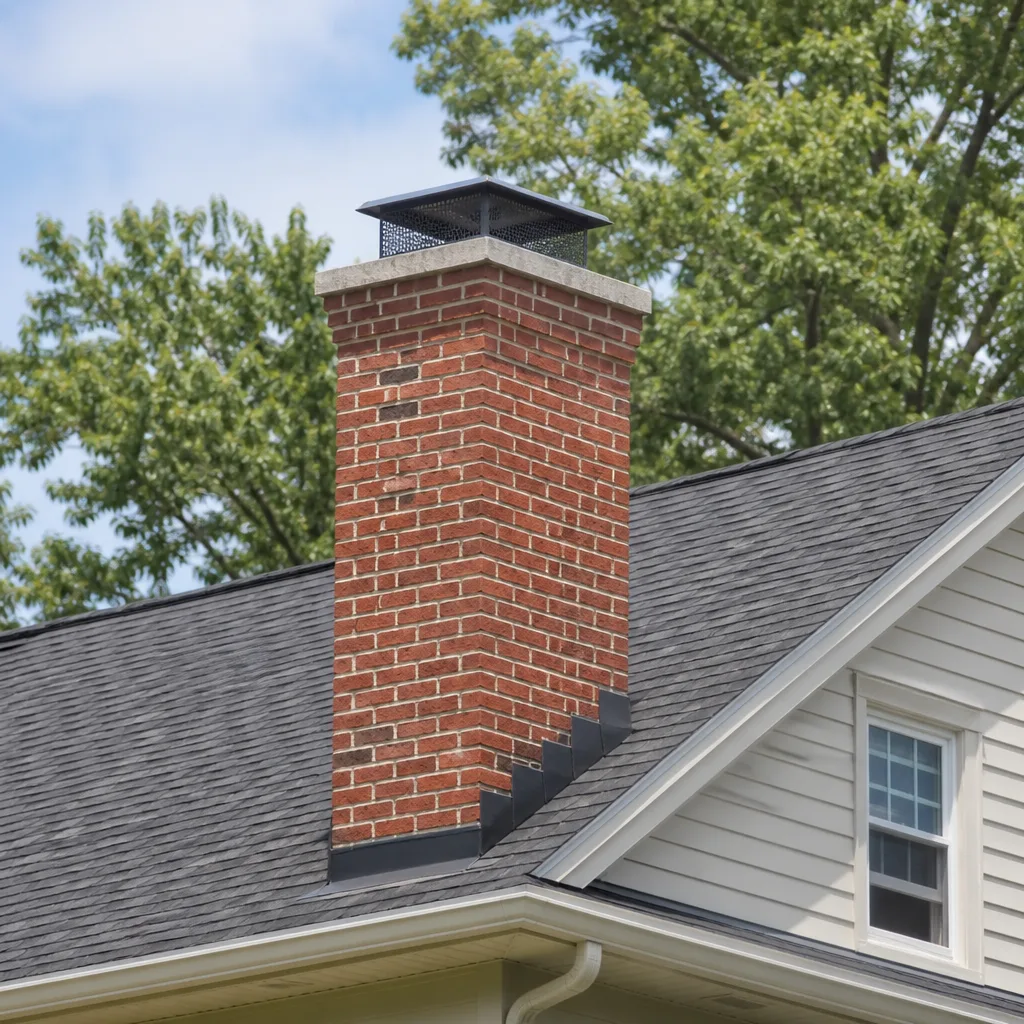 Masonry repair
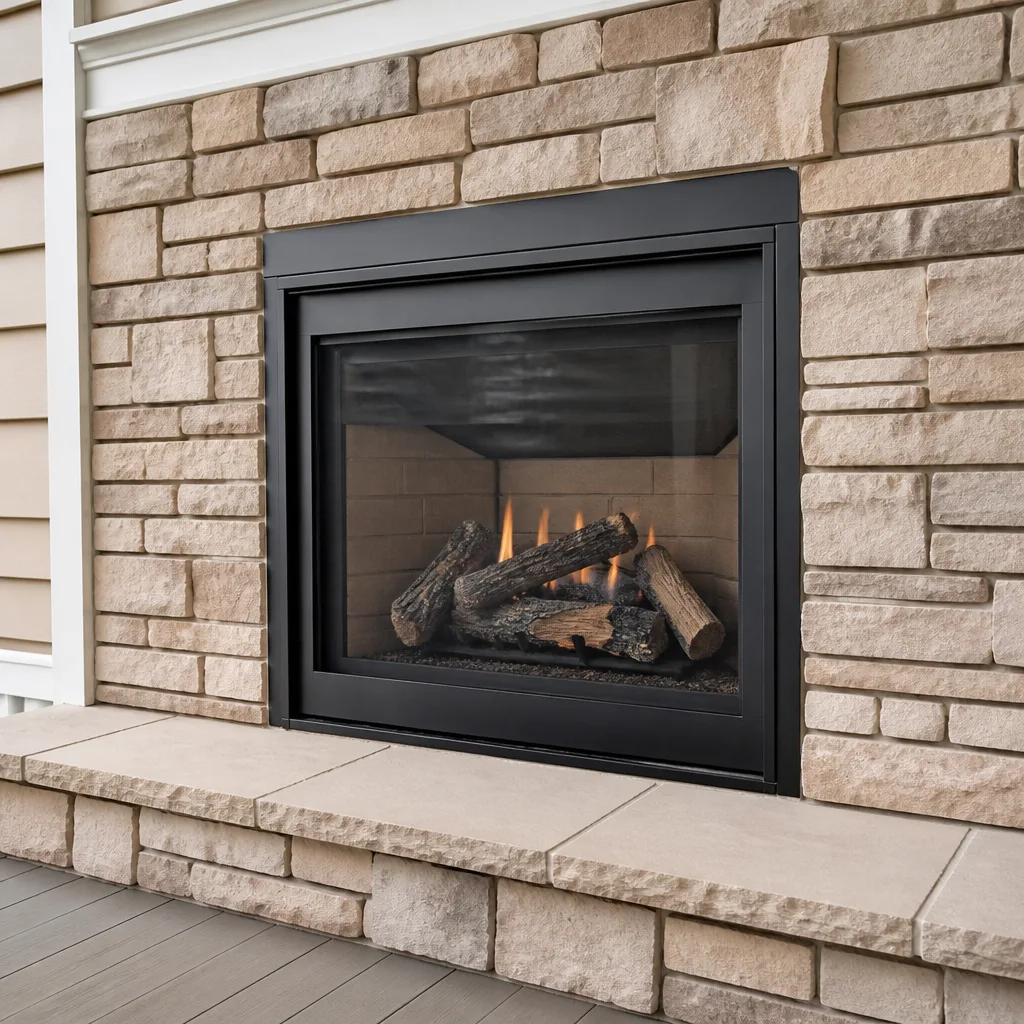 Gas fireplace service
Level 1 sweep and inspection to the NFPA 211 annual standard - flue, crown, cap, and flashing checked and photographed
Chimney sweep logs do not sweep chimneys. They loosen some creosote - which then falls where a brush and vacuum still have to collect it.
Chimney Sweep Troubleshooting: Common Problems and How to Fix Them
If your fireplace smokes into the room, the instinct is to blame a dirty flue. But a blocked damper, negative house pressure, or an undersized firebox opening are just as likely, and cleaning the chimney won’t touch any of them. Most chimney problems homeowners notice are symptoms with multiple possible causes. Misdiagnosing them leads to repairs that cost money and change nothing. This guide walks you through a structured way to narrow down what’s actually wrong before you call anyone, so you can have an informed conversation with a Chimney Sweep instead of accepting a guess. We’ve built this approach from years of diagnosing flues across Reseda, where unheated stretches of winter create a particular set of draft behaviors you won’t read about on generic chimney websites.
Quick Answer
Chimney problems fall into three categories: draft problems (pressure, geometry, or obstruction stopping smoke from rising), combustion problems (wet fuel or insufficient air producing weak flames and heavy buildup), and liner problems (cracks, gaps, or creosote accumulation creating fire risk). Identifying which category your symptom belongs to tells you whether you need a sweep, a repair, or a change in how you build and maintain your fires. For a deeper dive, see our The Complete Chimney Sweep Guide for Reseda Homeowners. In Reseda, the most common culprit we see is cold-flue backdraft during winter months, followed by creosote restriction in flues serving wood stoves.
Styles & brands we work with
- Sweep & inspection
- Caps & crowns
- Flue relining
- Masonry repair
- Gas fireplace service
Table of Contents
- Draft Problems: When Smoke Won’t Rise
- Combustion Problems: Weak Fires and Heavy Buildup
- Liner Problems: What’s Actually Happening Inside the Flue
- Bad Odors: Creosote, Water, and Animal Intrusion
- The Cold-Flue Backdraft Problem in Reseda Homes
- What You Can See With a Flashlight Before Calling a Sweep
- Common Mistakes to Avoid
- When to Call a Professional
- Frequently Asked Questions
Draft Problems: When Smoke Won’t Rise
Draft is the pressure difference between the inside of your flue and the air outside. Warm air rises, but only when the column of air inside the chimney is warmer than the air surrounding the house. When that condition isn’t met, smoke rolls back into the room. The cause isn’t always what it looks like.
Draft problems in Reseda homes break down into four categories we see regularly:
- Obstruction: A dead bird, a raccoon nest, a collapsed clay flue tile, or a damper rusted into the closed position. These are physical blockages that a sweep can identify and remove.
- Pressure imbalance: The house itself is competing with the chimney for air. Exhaust fans, the clothes dryer, a pull-down attic stairs opening, or a tightly sealed house can all create negative pressure that overwhelms weak draft.
- Geometry: The firebox opening is too large for the flue that serves it. This is common in older Reseda ranch houses from the 1950s and 1960s where fireplaces were built for looks and flues were sized to code minimums. No amount of sweeping fixes a firebox-to-flue ratio problem.
- Cold flue: The chimney has been sitting cold for days or weeks and won’t establish draft until the air column inside gets moving. We’ll cover this in detail below because it’s the single most common call we get in Reseda between November and February.
The diagnostic step is to figure out which category you’re in before assuming the flue is dirty. If you can open the damper fully and see daylight at the top of the chimney, the flue isn’t blocked. If the smoke rolls back only when the kitchen exhaust fan is running, you’ve found your culprit. If the fireplace has never drafted well, geometry is suspect. If it only misbehaves on the first fire of the season, cold flue is the likely answer.
For a professional assessment of a draft problem that won’t respond to basics, call our Chimney Sweep in Reseda team. We diagnose pressure, geometry, and obstruction problems in one visit.
Combustion Problems: Weak Fires and Heavy Buildup
Combustion problems look different from draft problems. The fire lights, it burns, but it never gets hot. The glass on a wood stove stays coated with brown film. You get a lot of smoke from a small flame. And the chimney accumulates creosote faster than it should.
Two inputs matter for combustion: fuel and air.
Fuel: The Wood Itself
Wet or unseasoned wood is the number one combustion problem we trace back to in Reseda fireplaces. Wood needs to be split, stacked, and dried for at least 6 to 12 months before it burns hot enough to produce clean combustion. Burning wet wood produces a low-temperature fire that vaporizes water instead of burning fuel. The result is smoke that’s too cool to rise well, and creosote that condenses on flue walls instead of passing through as vapor.
Signs you’re burning wet wood:
- Hissing or sizzling sounds from the logs
- Bubbles of moisture at the cut ends of the wood
- Heavy smoke that lingers instead of rising
- A lot of unburned charcoal left after the fire dies
- Dark brown or black creosote accumulating faster than one season’s worth
The fix is wood management, not a chimney repair. Reseda’s dry summers actually help with seasoning, provided the wood is stacked off the ground and covered on top. But wood stored in an enclosed garage or shed where it can’t breathe will stay wet no matter how long it sits.
Air: What the Fire Breathes
A fireplace pulls air from the room to feed combustion. If the room can’t supply enough air, the fire smolders. This connects directly to the pressure imbalance problem above. A fireplace burning at full output can pull 300 to 500 cubic feet of air per minute. In a tightly sealed Reseda home built or renovated in the last 20 years, that air has to come from somewhere. If it comes down the chimney instead of up, you get smoke rollback.
Wood stoves have their own air supply chain: the intake, the baffle, and the flue. A plugged intake or a baffle warped out of position will starve the fire. These are repairable components, and they’re the kind of thing a material-literate sweep checks during a service visit.
Liner Problems: What’s Actually Happening Inside the Flue
The liner is the working surface of your chimney. If it’s compromised, the chimney is compromised. Simple as that. Liners fail in a few predictable ways, and each failure mode has a matching repair strategy.
Clay Tile Liners: Cracking and Spalling
Most Reseda chimneys built before the 1990s have clay tile liners. They work until they don’t. The failure comes from heat stress, water intrusion, or mechanical damage. When a clay tile cracks, it leaves an open path for heat and combustion gases to reach the masonry around the flue. That’s a fire hazard, full stop.
Signs of clay liner failure:
- Thin slices of clay tile found in the firebox after a fire
- Visible cracks or gaps you can see with a flashlight from the firebox looking up
- Chimney odors that get stronger during humid weather
- Stains on interior walls adjacent to the chimney
When clay tile fails, there are two proven repair paths. For minor cracking and surface deterioration, HeatShield resurfacing applies a cerfractory material to the interior of the existing flue, restoring a smooth, insulated surface without demolishing anything. For flues that are too far gone or when an unlined chimney needs a full reline, a DuraFlex flexible liner installed the length of the flue gives you a continuous, code-compliant stainless steel system. We match the repair to the actual failure mode after camera inspection, because a one-size-fits-all approach to liners is how homeowners end up paying twice.
Creosote Accumulation: The Fire Risk You Can’t See
Creosote builds in three stages. Stage one is a fine, sooty powder that brushes off easily. Stage two is a flaky deposit that looks like coffee grounds glazed onto the flue wall. Stage three is a hard, shiny, tar-like glaze that is extremely difficult to remove and burns at high temperature. Stage three creosote is the fuel for most chimney fires.
In Reseda, stage three creosote shows up most often in flues serving wood stoves that were run slow and cool during the winter, or in fireplaces where homeowners burned a lot of pine or other softwood. The heat of a chimney fire can reach 2,000 degrees Fahrenheit. Clay liners crack under that stress. Mortar joints fail. Combustible framing near the chimney can ignite.
A professional sweep removes creosote mechanically with rotary brushes and specialized tools, and the work should always include a visual or camera inspection afterward to confirm the flue is clean. That’s the difference between a sweep that makes the chimney look clean and one that makes it actually clean. Our Chimney Sweep Reseda home page outlines what a full service includes.
Bad Odors: Creosote, Water, and Animal Intrusion
Three distinct smell profiles come out of a chimney. Learning to tell them apart is one of the most useful diagnostic skills a homeowner can have, because each one points at a different problem and a different fix.
Creosote Smell: Like a Cold Campfire, But Wrong
Creosote smells like the morning after a campfire, but sharper and more acrid. It’s strongest on hot, humid days, or when the air conditioner pulls air down the chimney. The smell isn’t the fire hazard itself, but it’s an indicator that creosote is present in enough volume to be noticed. In Reseda’s dry-summer, mild-winter climate, creosote odor peaks in late summer when humidity spikes briefly and the flue absorbs moisture.
A sweep removes the source. The long-term fix includes burning drier wood, getting the flue warm faster, and having the chimney cleaned on a schedule matched to your usage.
Water Smell: Damp, Musty, Like Old Plaster
Water intrusion smells like a damp basement or an old plaster wall after rain. It means water is getting into the chimney structure. Common entry points in Reseda homes include cracked crowns, failed mortar joints, and missing or damaged chimney caps. The odor comes from the chimney, but the water itself is often damaging brick and mortar well away from where you can see it.
Famco and Gelco make chimney caps and covers that prevent water from entering the flue at the top, which is the single most effective water-intrusion fix for most residential chimneys. We specify these products based on the flue size and the way the chimney terminates, because a generic cap that doesn’t fit is almost as bad as no cap at all.
Animal Smell: Sharp, Organic, and Seasonal
Raccoons, squirrels, and birds all use chimneys as nesting sites. The smell is unmistakable: sharp, organic, sometimes mixed with the odor of droppings. Animals often arrive with the first cold snap in Reseda, and they don’t leave on their own. A cap is the permanent fix, and this is where Chimney Repair in Reseda intersects with basic venting hygiene: the same visit that removes the animal can install the cap that keeps the next one out.
The Cold-Flue Backdraft Problem in Reseda Homes
Here’s a scenario we encounter every winter in Reseda. The house has been unheated for a stretch because the weather’s been mild. The chimney has been sitting cold. The homeowner builds a fire, lights it, and smoke pours into the room. They assume the flue is blocked. It isn’t. It’s cold.
A cold flue is full of dense, heavy air that sinks instead of rising. When you light a fire under a column of cold air, that column has no draft until it gets warmed enough to reverse. Until then, smoke follows the path of least resistance, which is into the room.
Here’s the fix that actually works, step by step:
- Before lighting the fire, open the damper and hold a lit piece of rolled-up newspaper up inside the firebox, near the damper opening.
- Let the flame warm the air inside the flue for 10 to 15 seconds. You’ll feel the draft reverse when the air starts moving upward.
- Add small, fast-burning kindling first, not large logs. Get a hot, quick fire going at the base of the flue.
- Add larger pieces once the kindling is burning well and smoke is clearly rising.
This is called priming the draft, and it solves most first-fire-of-the-season smoke problems. If priming doesn’t work, you’re looking at something else: a geometry problem, an obstruction, or pressure imbalance. The primed-flue test is diagnostic as much as it is practical.
Reseda homes that sit unheated for long stretches, especially during the shoulder months when nobody runs the furnace or the AC, are particularly prone to this. The flue cools all the way down to ambient temperature, and the cold air sits in it like a plug.
What You Can See With a Flashlight Before Calling a Sweep
A basic inspection before you call a professional gives you information and helps you have a more useful conversation with whoever shows up. You’re not diagnosing anything definitively. You’re gathering observations.
Here’s what to do:
- Open the damper fully. If it won’t move, or moves only partially, that’s a finding to report.
- Look up from the firebox with a bright flashlight. You’re looking for daylight at the top, obvious blockages, visible cracks in the terracotta flue tiles you can see, and creosote buildup. Stage two creosote looks like coffee grounds. Stage three looks like black glass.
- Check the smoke chamber. This is the angled area just above the damper. If it’s rough, uneven, or has gaps in the mortar joints, take note. The smoke chamber is one of the most commonly neglected parts of residential chimneys, and a rough smoke chamber disrupts the smooth transition of smoke from firebox to flue.
- Examine the firebox itself. Look for cracked brick, failing refractory panels in a prefab fireplace, and rust or corrosion at the base.
- Go outside and look at the chimney cap. Missing, rusted, or undersized? Animals and water both enter through missing termination points.
None of these observations replace a professional camera inspection, but they tell you whether you’re dealing with a simple sweep situation or something structural. At Dryer Vent Cleaning in Reseda, we apply the same inspection logic to dryer vents: visible observation first, professional diagnosis second, no guessing.
Common Mistakes to Avoid
- Opening a window to fix smoke rollback and calling it solved. If opening a window changes the smoke behavior, you’ve confirmed pressure imbalance. But the window is a diagnostic result, not a solution. You’ve just learned something important about how air moves through your house, and you should act on that information rather than treating the symptom.
- Cleaning a flue that never drafted well in the first place. A chimney that’s always smoked isn’t dirty. It’s mis-sized or mis-designed. Sweeping it repeatedly won’t change the geometry.
- Burning unseasoned wood and blaming the chimney. Wet wood produces cool, smoky fires. A hot, clean-burning fire solves a lot of creosote problems before they start. In Reseda, wood stacked in a ventilated outdoor rack seasons well through the long dry season.
- Ignoring a missing chimney cap. Water and animals don’t wait. A missing cap leads to water intrusion and animal problems in the same season, and those failures compound.
- Putting off a liner inspection because the chimney “looks fine.” You cannot see a failed liner from the outside. Stage three creosote sitting on a cracked clay tile is a serious fire risk that looks like nothing from the ground.
- Calling a general handyman for chimney repairs. Chimney repair is a specialized trade. The materials matter. A flue relined with the wrong product or an ill-fitting cap installed by someone cutting corners fails again, and the second repair costs more than the first one would have.
When to Call a Professional
Call a professional when you have visible creosote buildup that’s flaky or glazed, when a draft problem persists after priming and pressure checks, when you see cracks or gaps in the flue or firebox, when animal intrusion has occurred, or when water stains appear near the chimney. These are findings that require tools and training to diagnose properly. For Choosing the Right Chimney Cleaning Brand: A Buyer’s Guide for Reseda and other help, Chimney Sweep Reseda offers free estimates in Reseda, and we explain what we find before we recommend any repair. Call (866) 562-0968 to schedule a service visit.
Frequently Asked Questions
A standard chimney sweep in Reseda typically ranges from $150 to $300 depending on the accessibility of the roof, the condition of the flue, and whether a camera inspection is included. Chimneys that haven’t been cleaned in years or that show stage three creosote may require additional time and tools, which costs more. Call (866) 562-0968 for an exact quote. Estimates are free.
The National Fire Protection Association recommends an annual inspection and cleaning as needed, and we generally tell Reseda homeowners to plan on a sweep after every cord of wood burned, or once per year, whichever comes first. Wood stoves used daily through the winter accumulate creosote faster than fireplaces used occasionally on weekends.
Creosote accumulates, the flue narrows, draft worsens, and the risk of chimney fire increases in a straight line with the amount of unburned material coating the flue walls. A chimney fire can crack clay liners, warp metal liners, and expose combustible framing to high temperatures. The sweep is cheap compared to the repair bill.
It depends on what the existing liner looks like on the inside. Minor cracking in a clay liner can often be addressed with HeatShield resurfacing, which restores the interior surface without a full demolition. A flue that’s badly cracked, collapsed, or unlined needs a full reline, and we use DuraFlex flexible liner systems for that work. The decision should be based on camera evidence, not a sales pitch. We show homeowners the footage and explain what they’re looking at.
Summer chimney odor is almost always creosote or water. Creosote absorbs humidity and releases an acrid, campfire smell that gets pulled into the house when the AC runs. Water intrusion smells musty and damp. Both have specific fixes: a targeted sweep for creosote, and a proper cap and crown repair for water. In Reseda’s humid late-summer weeks, creosote odor is one of the most common calls we take.
You can buy a brush and rods at a hardware store, but you’ll be working from the roof without the experience to know what you’re looking at, and without the ability to see whether the flue is actually clean. Professional sweeping includes inspection, and the inspection is where the value is. A clean-looking chimney can still have a failed liner, and you won’t see that from the top with a $40 brush kit. Call (866) 562-0968 to get a professional assessment instead.
The Bottom Line
Chimney problems are rarely what they appear to be at first glance. Smoke rolling back into the room can be a dirty flue, a cold flue, a pressure problem, or bad geometry. Bad odors have distinct profiles that point at creosote, water, or animals. The liners and caps and smoke chambers working silently inside your chimney are doing more than you can see from the firebox. Learn to observe, narrow down the category of problem, and call a professional who can show you what’s actually happening. Browse our more guides & resources to keep learning. A well-maintained chimney in Reseda is the product of specific materials, matched to the specific failure mode, installed by someone who took the time to diagnose before recommending. That’s the whole job.
Written by the team at Chimney Sweep Reseda, serving Reseda since 2012.
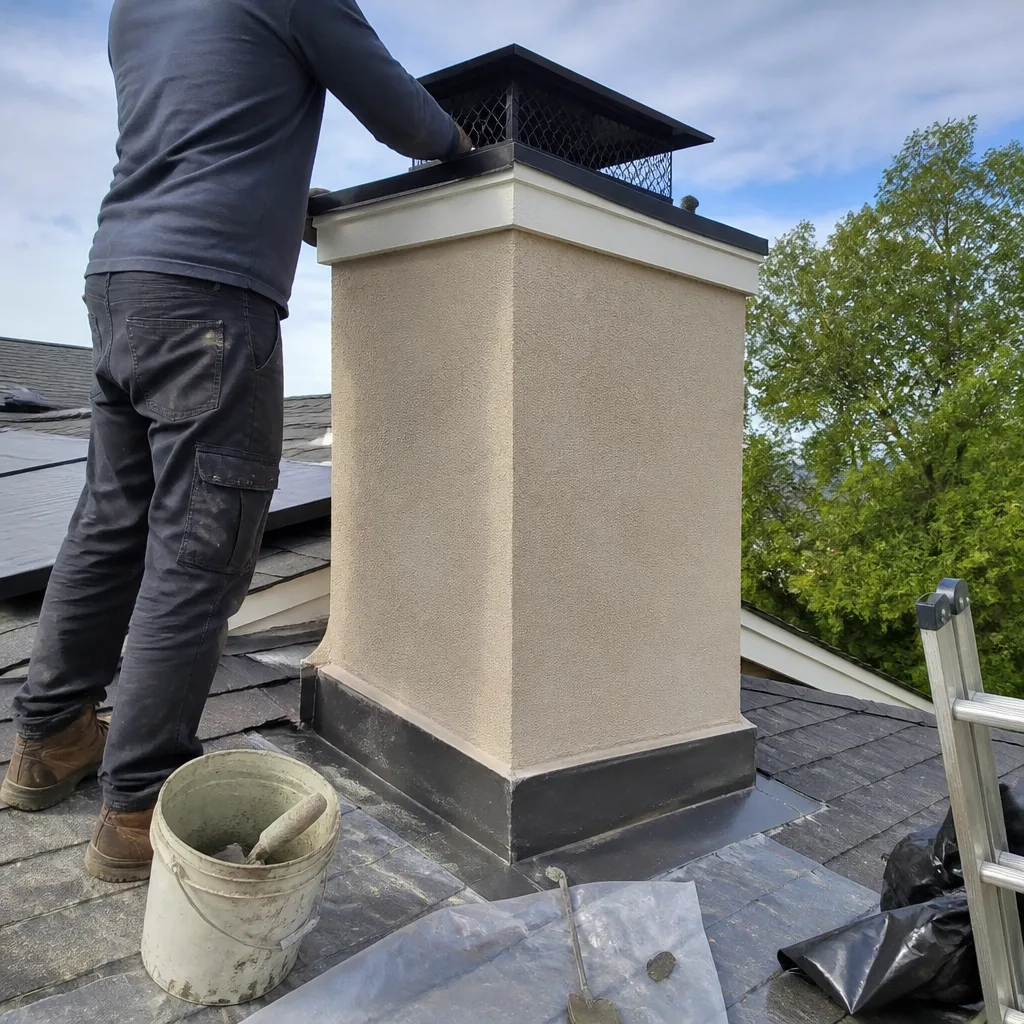
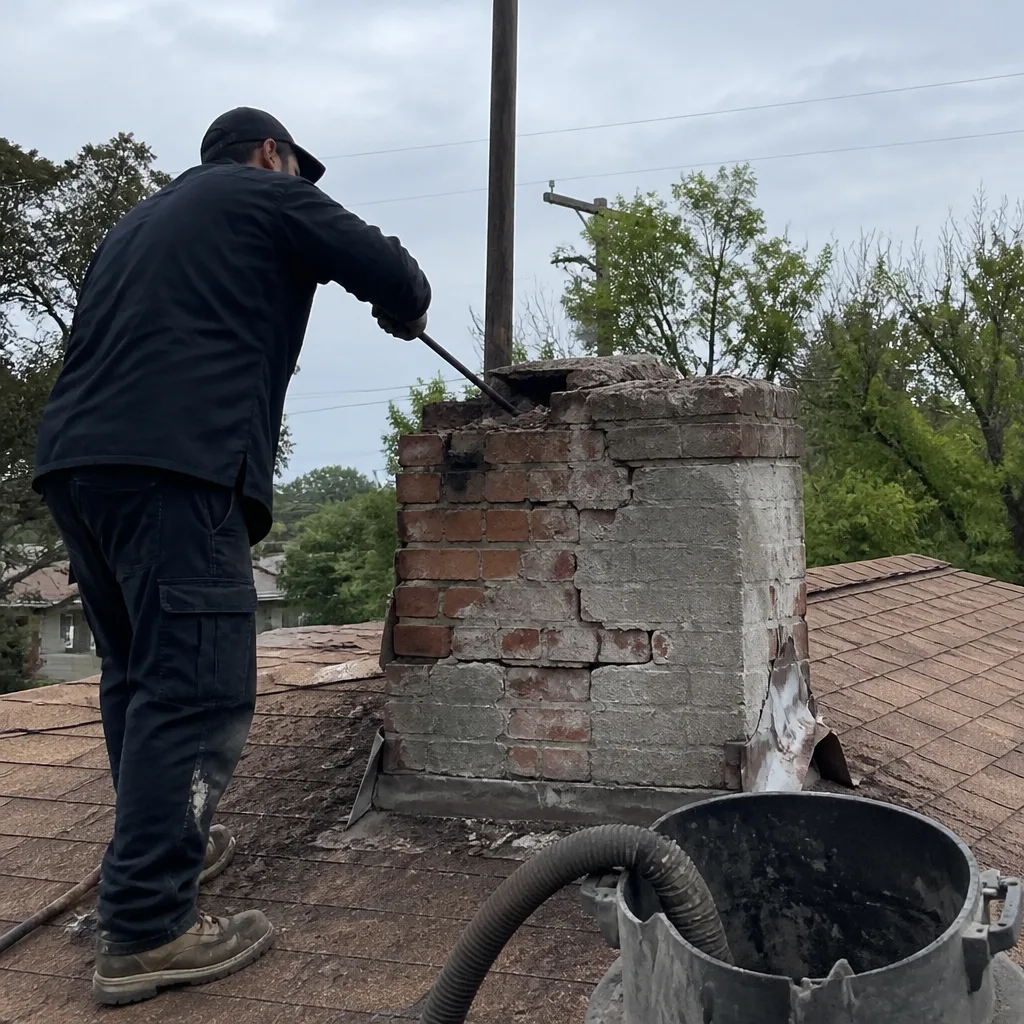
See the difference
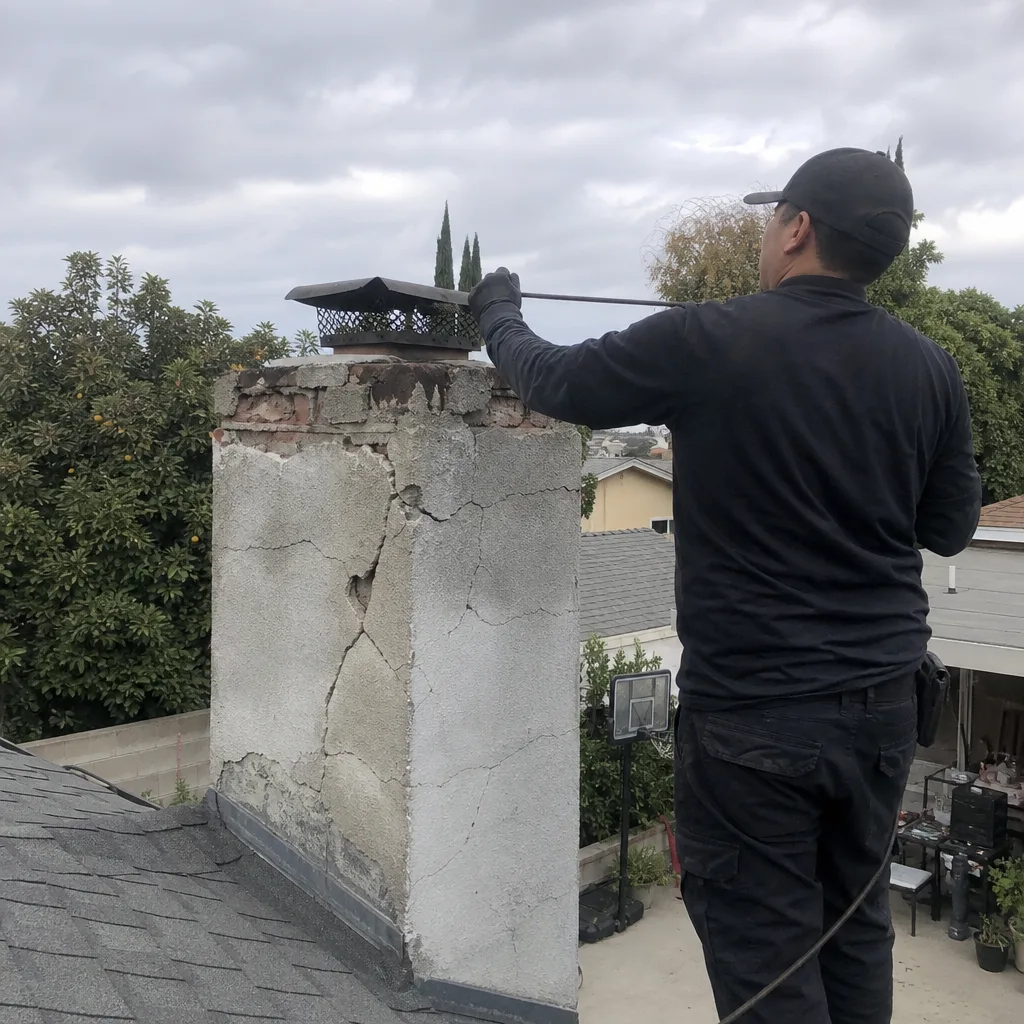 Before
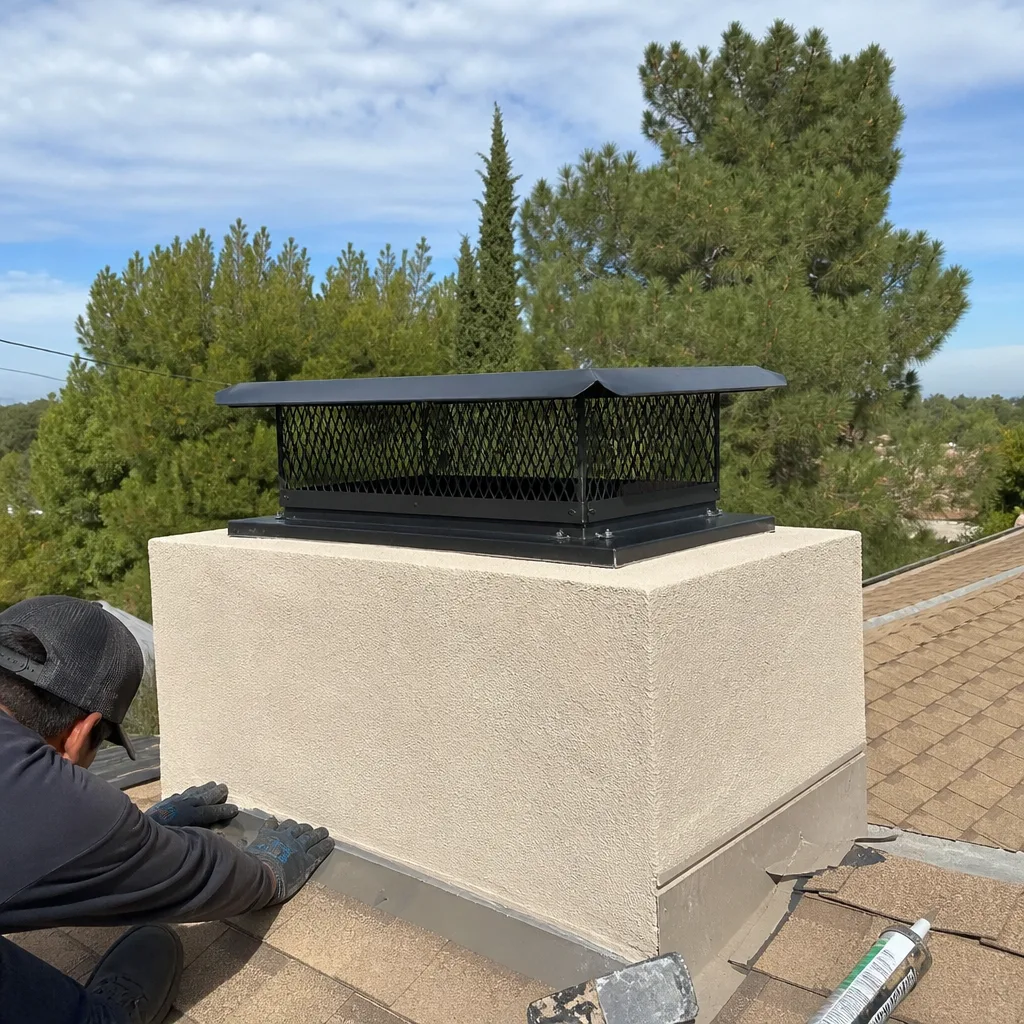 After
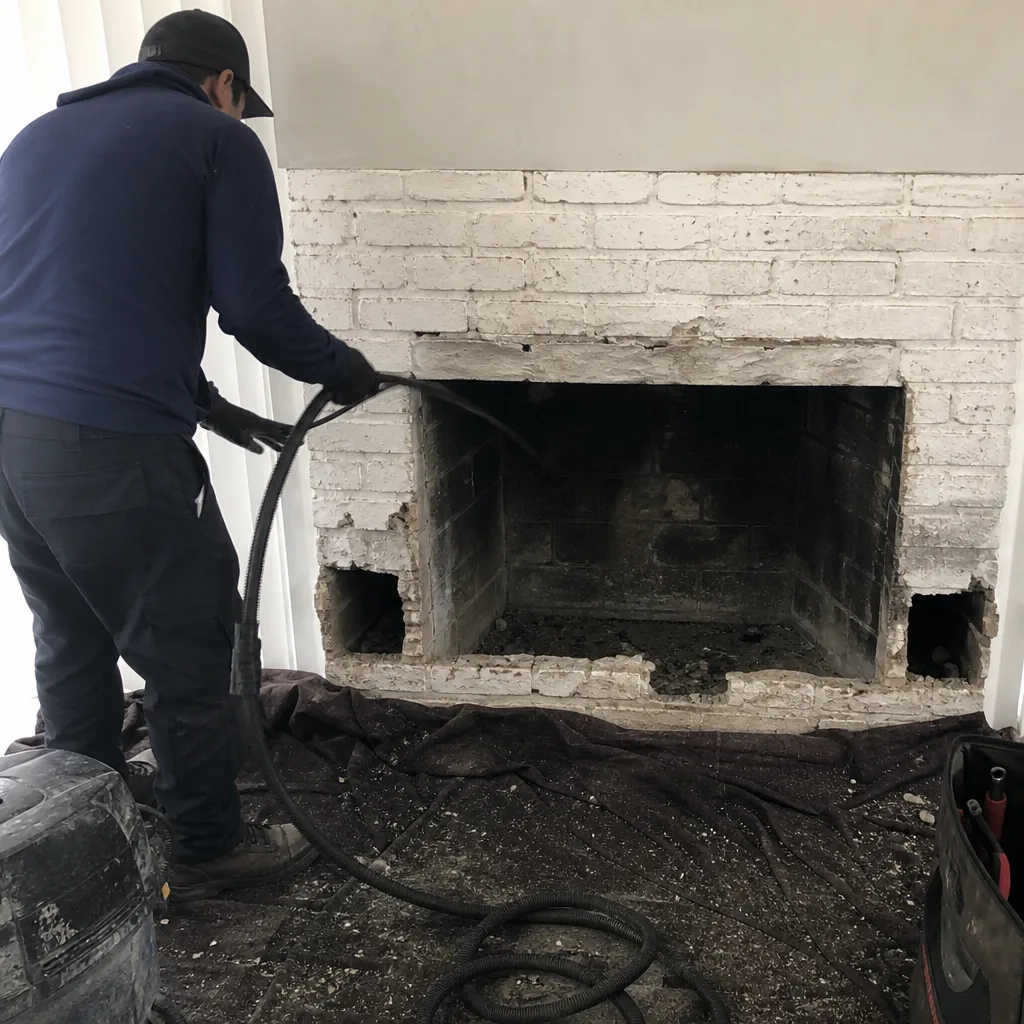 Before
 After
 Before
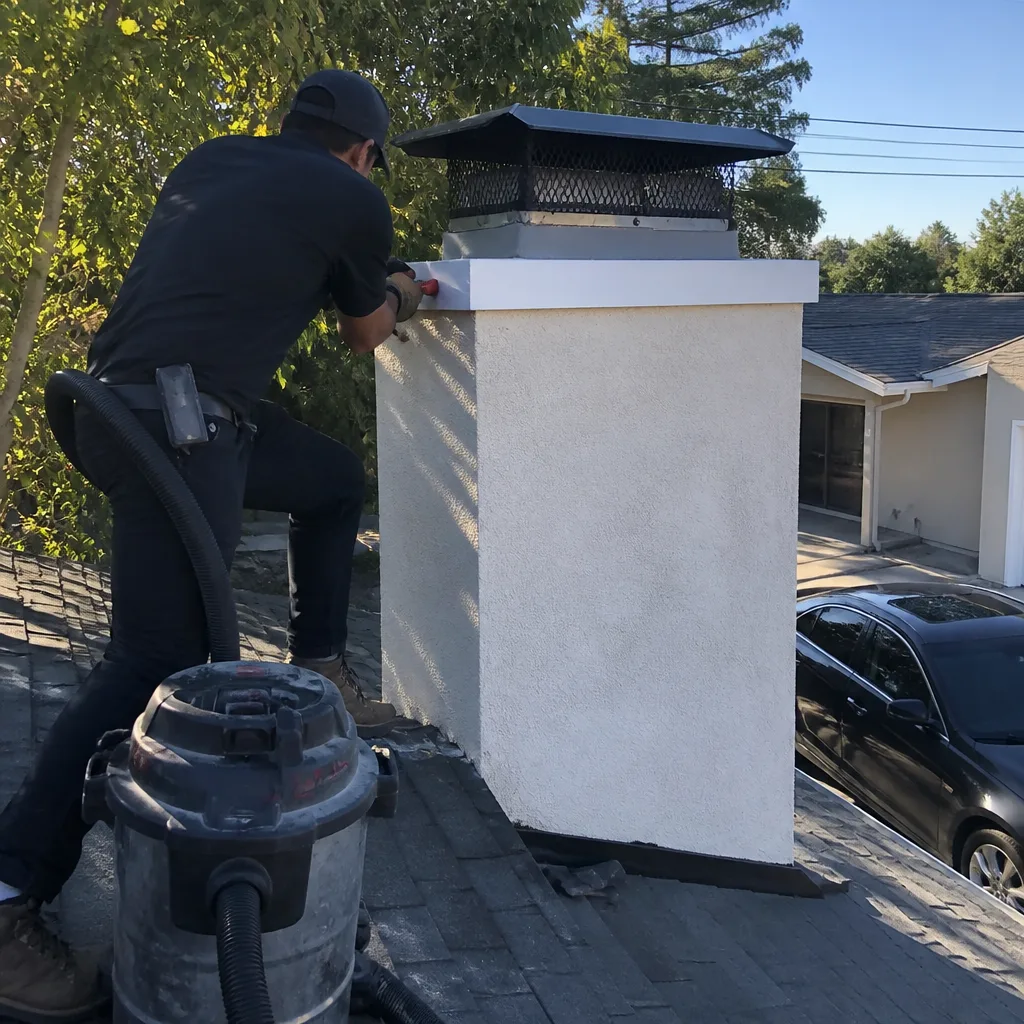 After