
Last updated November 2, 2026
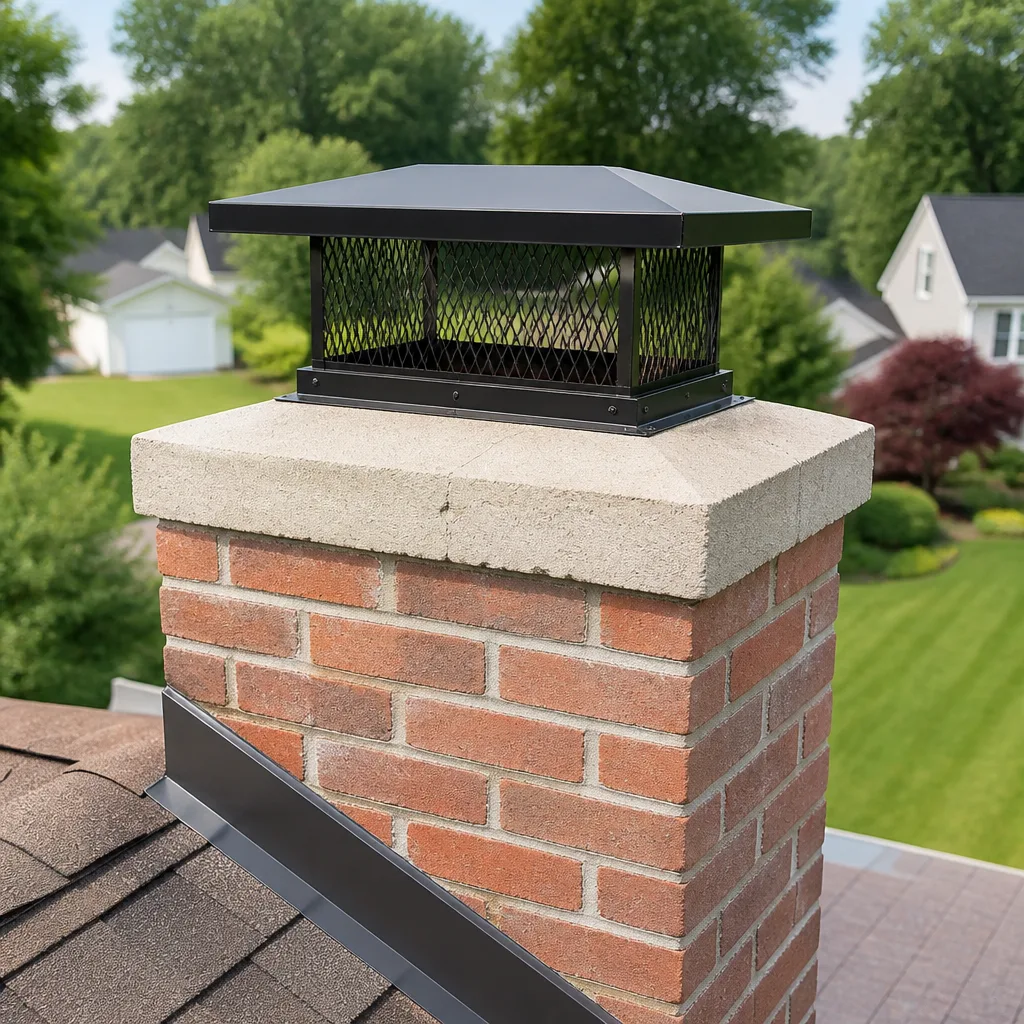 Sweep & inspection
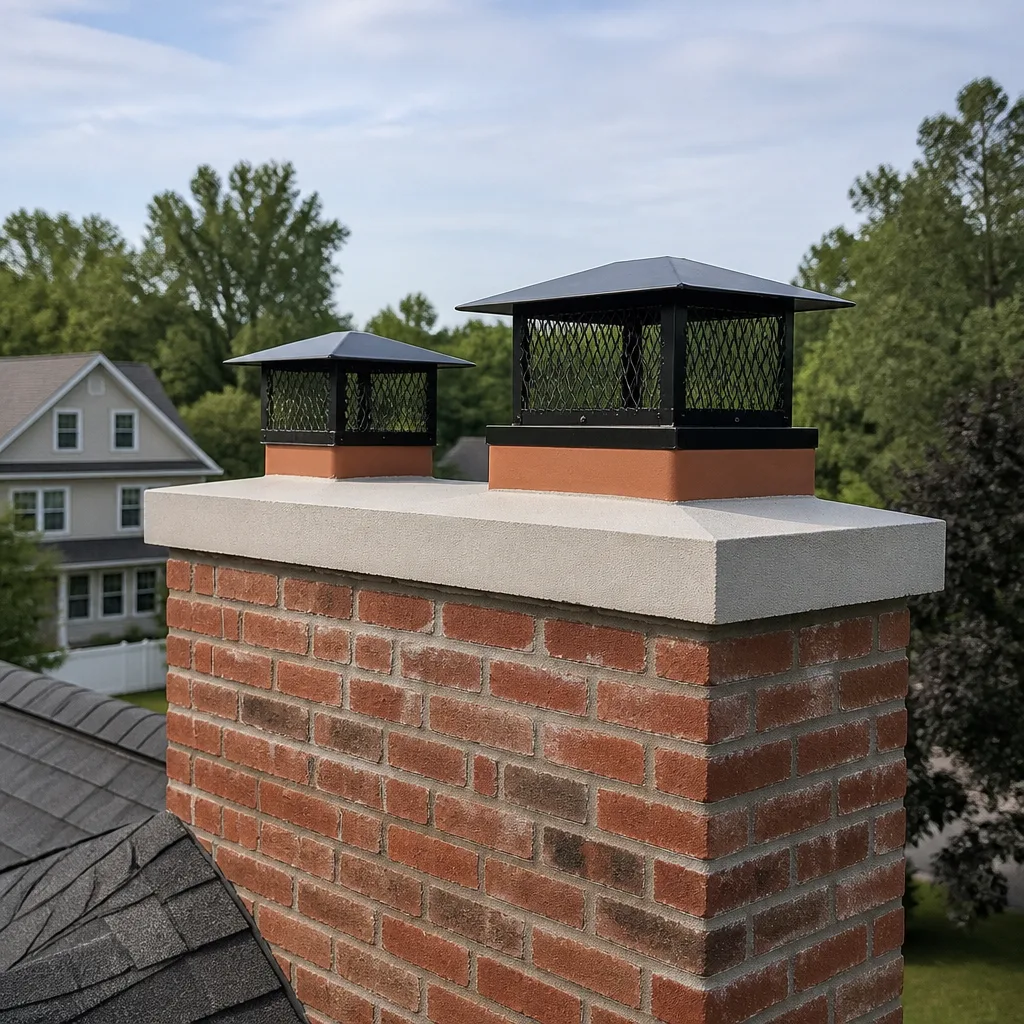 Caps & crowns
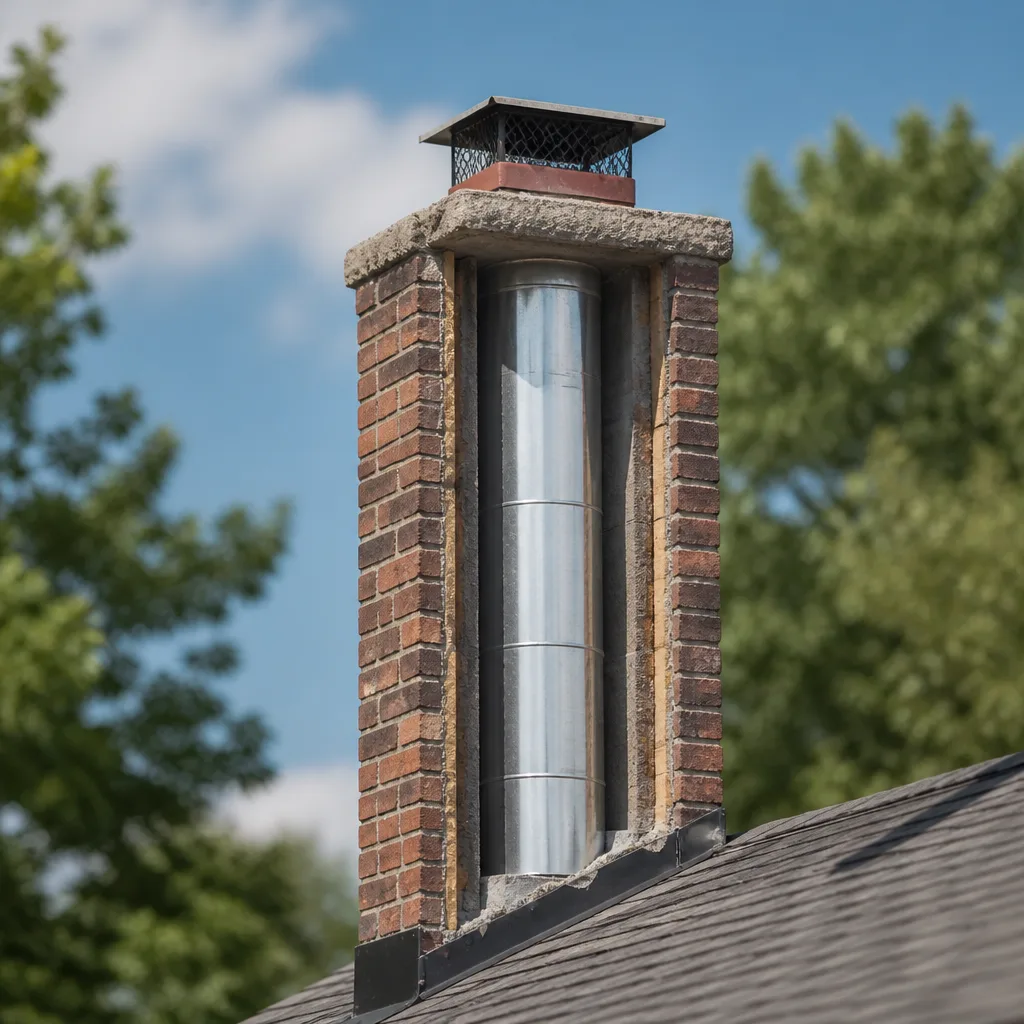 Flue relining
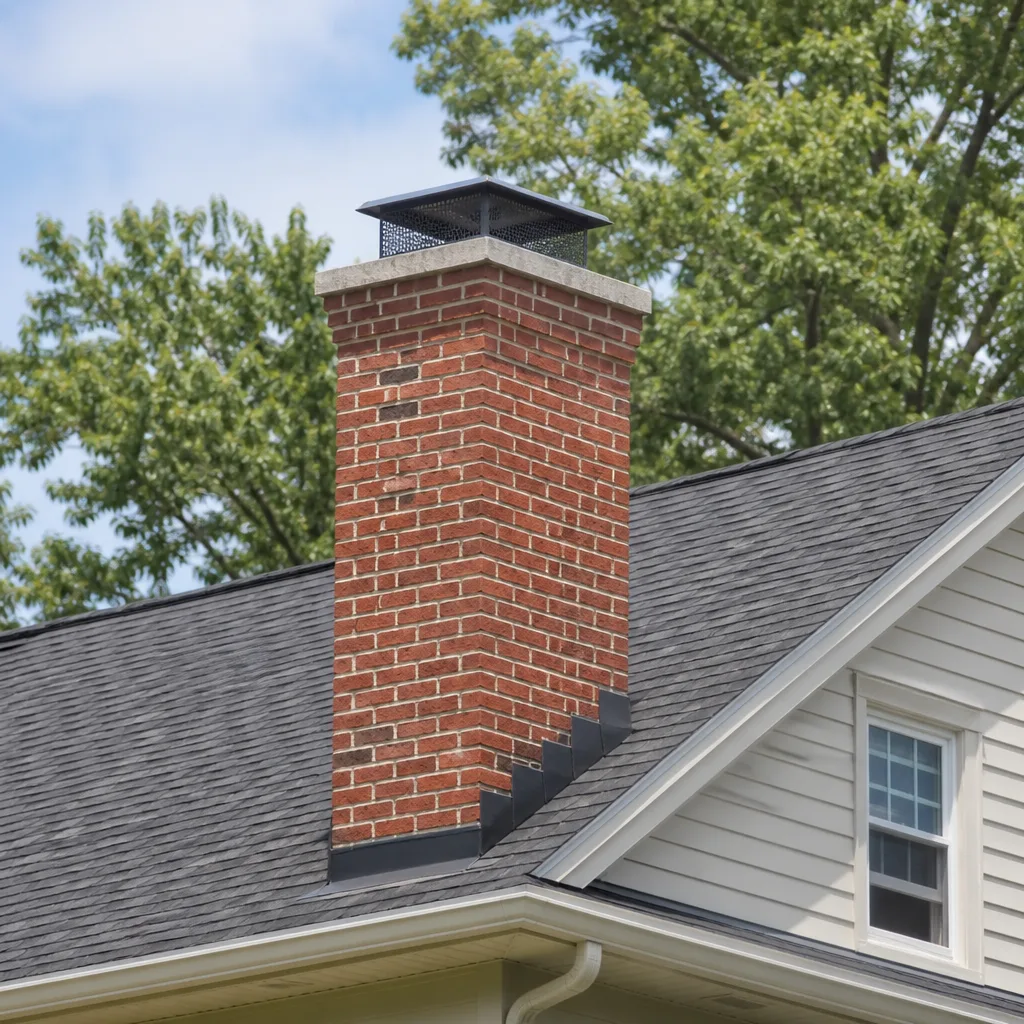 Masonry repair
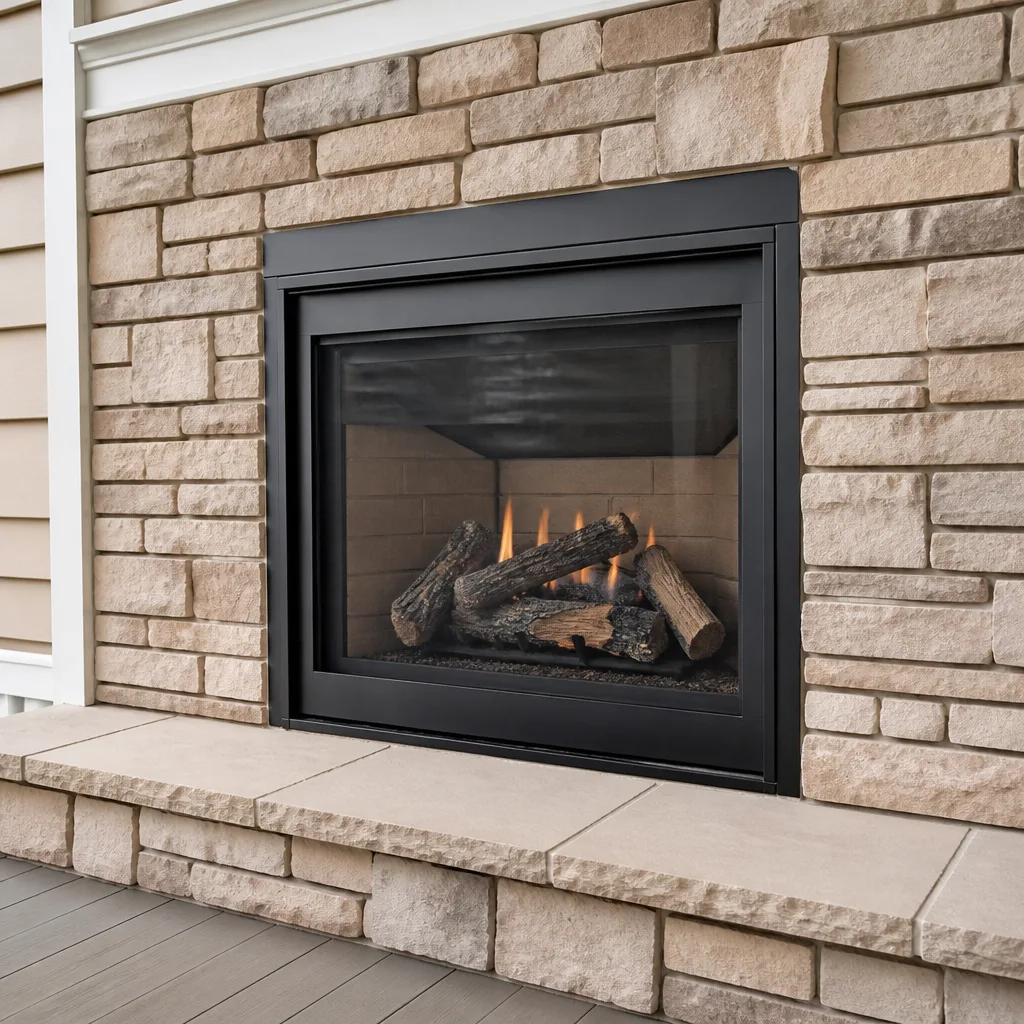 Gas fireplace service
Level 1 sweep and inspection to the NFPA 211 annual standard - flue, crown, cap, and flashing checked and photographed
Chimney sweep logs do not sweep chimneys. They loosen some creosote - which then falls where a brush and vacuum still have to collect it.
The Complete Chimney Sweep Guide for Reseda Homeowners
A fireplace used only four times a year can still accumulate enough acidic condensate and spider-web creosote to warrant professional attention. Low use doesn’t mean low risk, it just means different risk. In Reseda, where winter nights dip just enough to justify a fire but never enough to demand one, most chimneys fail not from overuse but from a slow, quiet kind of neglect. This guide walks you through what actually builds up inside a San Fernando Valley flue, how our specific climate changes the math, and when a sweep or inspection genuinely matters. You’ll learn what a Level 1 and Level 2 inspection involves, why seismic shifts matter for flue tiles, and how Reseda’s air quality plays a role most national guides ignore.
Quick Answer
Chimney sweeping in Reseda typically costs $150 to $300 depending on flue condition and accessibility, and most single-fireplace homes in the Valley need a professional sweep every 25 to 40 burns, or roughly once every one to two years for seasonal users. If you burn less than ten fires a year, inspecting for creosote acidity and cap obstruction matters more than how black the flue looks. Call Chimney Sweep Reseda for an exact quote based on your fuel type and actual burn history.
Styles & brands we work with
- Sweep & inspection
- Caps & crowns
- Flue relining
- Masonry repair
- Gas fireplace service
Table of Contents
- Why Reseda Fireplaces Fail Differently Than National Averages
- What Actually Builds Up in a Low-Use Reseda Flue
- Level 1 vs. Level 2 Inspections: What They Actually Involve
- How Often Should Reseda Homeowners Sweep Their Chimney?
- How San Fernando Valley Air Quality Affects Your Chimney
- Seismic Activity and Hidden Flue Damage in Reseda
- Sweep vs. Repair: Knowing the Difference Before You Book
- The Dryer Vent Connection Most Reseda Homes Miss
Why Reseda Fireplaces Fail Differently Than National Averages
Most chimney advice published online is written for homeowners in Minnesota or New Hampshire, people who burn cord after cord of hardwood from October through March. Reseda’s reality is different. We get maybe sixty nights a year where a fire feels right, and most homeowners we meet burn between eight and thirty fires annually. That low burn frequency produces a different chemistry inside the flue than what national guides describe. When wood burns infrequently, the interior surfaces of the chimney heat and cool incompletely, cycling through the temperature range where acidic condensation forms. The deposits left behind are thin and crusty, not thick and tarry. They also contain higher concentrations of creosote acids per square inch because they never get hot enough to bake off. In practical terms, a Reseda chimney can look only mildly dirty and still be slowly corroding the mortar joints inside the flue.
The humidity pattern here matters too. Reseda’s dry summers alternate with Santa Ana wind events and occasional winter moisture. Chimney exteriors expand and contract through these cycles, and every small crack in the crown or mortar becomes a water entry point. National chimney guides mention water damage in passing, but in the Valley, water plus smog particulates creates a mild acid solution that eats into masonry differently than plain rain does elsewhere. If you’ve lived in Reseda for more than a few seasons, you’ve seen the gray streaking on older chimneys around Lake Balboa or the neighborhoods north of Sherman Way. That streaking isn’t just discoloration, it’s the visual signature of acidic moisture wicking through brick and deteriorating the structure from the outside in.
For a thorough professional evaluation of your fireplace, a chimney sweep in Reseda can identify which of these conditions are active and which are cosmetic.
What Actually Builds Up in a Low-Use Reseda Flue
The word “creosote” gets thrown around like it’s one substance. It isn’t. Creosote forms in three stages, and low-use fireplaces in Reseda tend to produce the stage that’s hardest to see and easiest to ignore.
Stage 1 creosote is a fine, dusty residue that a brush removes easily. Stage 2 is flaky and crisp, like burnt pie crust. Stage 3 is the glossy, hardened glaze you see in photos of chimney fires. Reseda homeowners rarely develop Stage 3 because that requires sustained high-heat burning. What they do get is a mix of Stage 1 dust and Stage 2 flakes, bonded together by spider webs that thrive in dark, undisturbed flues. That web-and-dust matrix doesn’t look especially dangerous, but it’s flammable and it traps moisture against the flue walls. Over two or three years of modest seasonal burning, it builds into a thin shell that restricts draft and raises the temperature of any individual fire.
There’s also the animal factor. Reseda’s large mature trees mean squirrels, roof rats, and birds searching for warm nest sites. A chimney with a broken or missing cap becomes a hollow tree as far as they’re concerned. Nests built inside flues block airflow and add dry tinder that ignites far more easily than creosote. During a routine sweep, we remove nests from roughly one in six Reseda chimneys, often from homes where the owners had no idea anything was living up there.
Wood choice compounds the problem. Many Valley homes burn whatever’s available: almond, citrus, eucalyptus from a neighbor’s trimming, or convenience-store bundles of questionable moisture content. Eucalyptus in particular burns hot and fast but produces oily deposits that cling to flue walls and resist brushing. If you burn eucalyptus even occasionally, your sweeping interval should be shorter than for oak or almond.
Level 1 vs. Level 2 Inspections: What They Actually Involve
Chimney inspections are defined by the National Fire Protection Association standard 211, and there are only three levels. For Reseda homeowners, two matter in day-to-day decisions.
Level 1 inspection is what happens during a routine sweep. The technician examines the readily accessible portions of the chimney: the firebox, damper, visible flue interior from the roof, cap, crown, and exterior masonry that can be reached without special equipment. It confirms the chimney is functioning as intended and no obvious changes have occurred since the last service. A Level 1 is appropriate when you burn the same fuel, on the same schedule, in the same appliance you’ve used for years, and nothing has happened to the house or the chimney since your last visit.
Level 2 inspection adds video scanning of the entire flue interior using a camera system, plus a more detailed check of the attic and crawl space portions of the chimney. You need a Level 2 when something has changed: you bought the home, switched from wood to gas or vice versa, experienced an earthquake, had a chimney fire, or made changes to the structure. It’s also required when a home is being sold. In Reseda, where homes change hands constantly and the Northridge quake’s long-term effects still surface in flue tiles, a Level 2 before your first burning season in a new house is not optional diligence, it’s basic competence. For a detailed chimney inspection, chimney repair specialists in Reseda can run a camera and show you exactly what they find.
How Often Should Reseda Homeowners Sweep Their Chimney?
The national guideline says “once per year.” That’s a reasonable starting point and a wildly inaccurate one-size-fits-all. The better answer depends on two variables: what fuel you burn and how much of it.
- Seasonal wood burners (under 15 fires per year): A sweep every two years is usually sufficient, with an annual visual check of the cap and spark arrestor. The key exception: if you burn eucalyptus or unseasoned wood, annual sweeping prevents acidic deposits from hardening.
- Regular wood burners (15 to 50 fires per year): Annual sweeping aligns with both buildup rate and Reseda’s fire season realities.
- Heavy burners (more than 50 fires per year): Sweep every 25 to 40 burns, which often means twice per season. Spark arrestor screens clog faster at this usage level.
- Gas log or gas insert users: Sweeping is about soot and combustion byproduct removal, not creosote. Every three years works for most gas systems, but carbon monoxide detectors and burner inspection should be annual.
- New construction or unverified history: If you don’t know when the chimney was last cleaned or inspected, book a sweep and Level 2 camera inspection before your first fire. This is the single most common situation we see after home purchases in the 91335 ZIP code.
The simplest rule: if you can’t remember the last time someone looked inside your flue, it’s been too long. Reseda’s clear-air nights make an evening fire genuinely beautiful, but only when the system behind it is clean and drafting correctly.
How San Fernando Valley Air Quality Affects Your Chimney
Reseda sits in a basin that traps particulate matter, especially during summer inversion layers and wildfire season. Those particles settle on every horizontal surface, including your chimney cap, spark arrestor, and crown. Over time, the fine gray silt mixes with dew and becomes a cement-like layer on top of the cap screen, restricting airflow even when the flue itself is clean. In rural areas, cap screens clog with pine needles or leaves. In the Valley, they clog with smog dust and ash residue.
This matters because a clogged spark arrestor mimics a flu blockage: smoke backs up into the living room, carbon monoxide levels rise, and the fire burns inefficiently. Many Reseda homeowners mistake this for a dirty flue when the actual problem is a cap that needs brushing or replacement. During a sweep, we inspect the cap and arrestor from the roof, not just from the ground, because the top surface is where Valley particulate accumulation happens. A Gelco or Copperfield cap with proper mesh sizing handles these conditions better than a generic hardware-store unit, and when we replace caps on Reseda chimneys, that’s what we specify.
There’s another air quality factor that shows up on south-facing chimneys: acid etching. The San Fernando Valley’s smog contains oxides that bond with moisture and create mild acidic rain. On older masonry without a sealed crown, this acid solution seeps into mortar joints and slowly dissolves the binding agents. The result is spalling brick and deteriorated mortar that looks like ordinary age but is actually accelerated chemical breakdown. Sealing a crown and waterproofing the masonry with the right products slows this process considerably.
Seismic Activity and Hidden Flue Damage in Reseda
Everyone in Reseda knows we live in earthquake country. Very few homeowners connect that fact to their chimney. But a chimney is the most seismically vulnerable part of any house: a tall, unreinforced masonry column attached to a wood-framed structure that moves differently during shaking. The 1971 Sylmar quake and the 1994 Northridge quake damaged thousands of Valley chimneys, and many of those repairs were done to the minimum standard of the time.
The specific risk is shifted flue tiles. The clay liner inside a masonry chimney is a stack of individual tile segments cemented together. During seismic shaking, those segments can shift slightly relative to each other, opening small gaps between tiles. The exterior brick work may show nothing at all. The damage is entirely internal. When you light a fire, those gaps allow heat and combustion gases to reach the surrounding masonry and any nearby framing. Over years, this creates a slow charring risk that no amount of sweeping can address. The only way to see shifted tiles is with a camera inspection, which is why we route a camera through every Reseda flue we service, not just the ones that look bad from the top.
If the camera reveals shifted or cracked tiles, the repair path matters. Options include resurfacing the flue with a HeatShield system, which restores a continuous, insulated surface inside the existing liner, or a full relining with a DuraFlex flexible stainless liner. The right choice depends on the severity of the offset, the flue’s diameter, and the appliance you’re venting. What doesn’t work is pretending the gaps aren’t there and continuing to burn. A home inspection from twenty years ago doesn’t tell you what the quakes since then have done.
Sweep vs. Repair: Knowing the Difference Before You Book
A chimney sweep removes what shouldn’t be inside the flue. A chimney repair restores what should be there and isn’t. They’re different services with different equipment, different training, and different pricing. Homeowners who understand this get better outcomes from both.
A sweep uses rotary brushes, rods, and a vacuum system to remove creosote, soot, nests, and debris from the flue interior. It addresses the symptom of combustion: what burning leaves behind. A repair addresses the structure of the system: cracked crowns, spalled brick, damaged dampers, deteriorated mortar joints, and failed liners. Many repairs are discovered during a sweep when the camera reveals what the brush can’t fix.
What frustrates us most is when homeowners pay for a sweep and expect it to fix a structural problem. We’re explicit about this: if the crown is cracked or the flue tiles have shifted, a sweep will leave you with a clean chimney that’s still unsafe. The reverse is also true. Fresh HeatShield resurfacing or a new DuraFlex liner doesn’t eliminate the need for periodic sweeping. Combustion still creates residue. The liner just contains it properly.
For Reseda homeowners, the practical sequence is: sweep first, inspect the flue with a camera while the surfaces are clean, then decide on repairs with the evidence in front of you. Every repair proposal should be paired with photos or video the homeowner can see and understand. If a contractor says you need work but won’t show you why, find another contractor. A Reseda chimney repair that explains what it found and shows you the footage is doing its job properly.
The Dryer Vent Connection Most Reseda Homes Miss
Chimney fires aren’t the only venting fire risk. The National Fire Protection Association consistently identifies dryer vent fires as a leading cause of residential clogs and fires, and in Reseda’s warm climate, dryers run year-round, not just in winter. Lint builds up in the duct behind the dryer and in the run to the exterior vent. That lint is dry, fibrous, and highly flammable. One spark from the dryer’s heating element or a failed thermostat can ignite it.
Most Reseda homes have dryer vent runs that are longer and more circuitous than national averages because so many homes have interior laundry closets. Every bend in the duct is a lint collection point. Every year without cleaning makes the next fire closer. We offer dryer vent cleaning in Reseda because it’s the same physics as a chimney: hot air moving through a confined space, carrying combustible particles that deposit on the walls. The tools and the diagnostic approach are related. The consequences of ignoring it are the same category of risk.
One practical note for Reseda specifically: homes built in the 1950s and 1960s, which make up a large share of the 91335 stock, often have original galvanized dryer ducting that’s never been upgraded. That ducting corrodes internally from condensation, creating rough surfaces that grab lint faster than smooth modern duct. If your laundry room smells musty when the dryer runs, or if clothes take longer than 45 minutes to dry, you’ve likely got a clog forming. The fix is mechanical cleaning, not a chemical spray or a vacuum from the exterior vent opening.
Common Mistakes to Avoid
- Skipping the cap inspection. In Reseda’s particulate-heavy air, a clogged spark arrestor causes more draft problems than dirty flues. Sweeping the flue while ignoring the cap solves half the problem.
- Burning unseasoned or random wood. Eucalyptus from a neighbor’s yard burns hot and leaves oily residue that hardens quickly. Green citrus wood spits and smokes. If you’re burning anything other than properly dried hardwood, sweep more often.
- Assuming a clean-looking chimney is a safe chimney. Low-use chimneys in our climate develop thin, acidic deposits that don’t look dramatic but corrode mortar. Appearance is not a safety inspection.
- Ignoring cracks in the crown or missing mortar. Small exterior cracks admit water that expands and contracts through our summer-winter cycles. A $40 crown seal now replaces an $1,800 repair in three years.
- Treating a sweep as a substitute for repair. Removing creosote doesn’t fix a shifted flue tile or a cracked liner. If a contractor recommends repairs, ask for video evidence before agreeing.
- Never having a camera inspection after buying a home. You wouldn’t buy a car without checking under the hood. A Level 2 inspection before relying on a Reseda chimney you’ve never used is the same principle applied to fire safety.
- Forgetting the dryer vent. The same house that has a clean chimney and a clogged dryer vent is still a house with an active fire hazard. Both systems need attention.
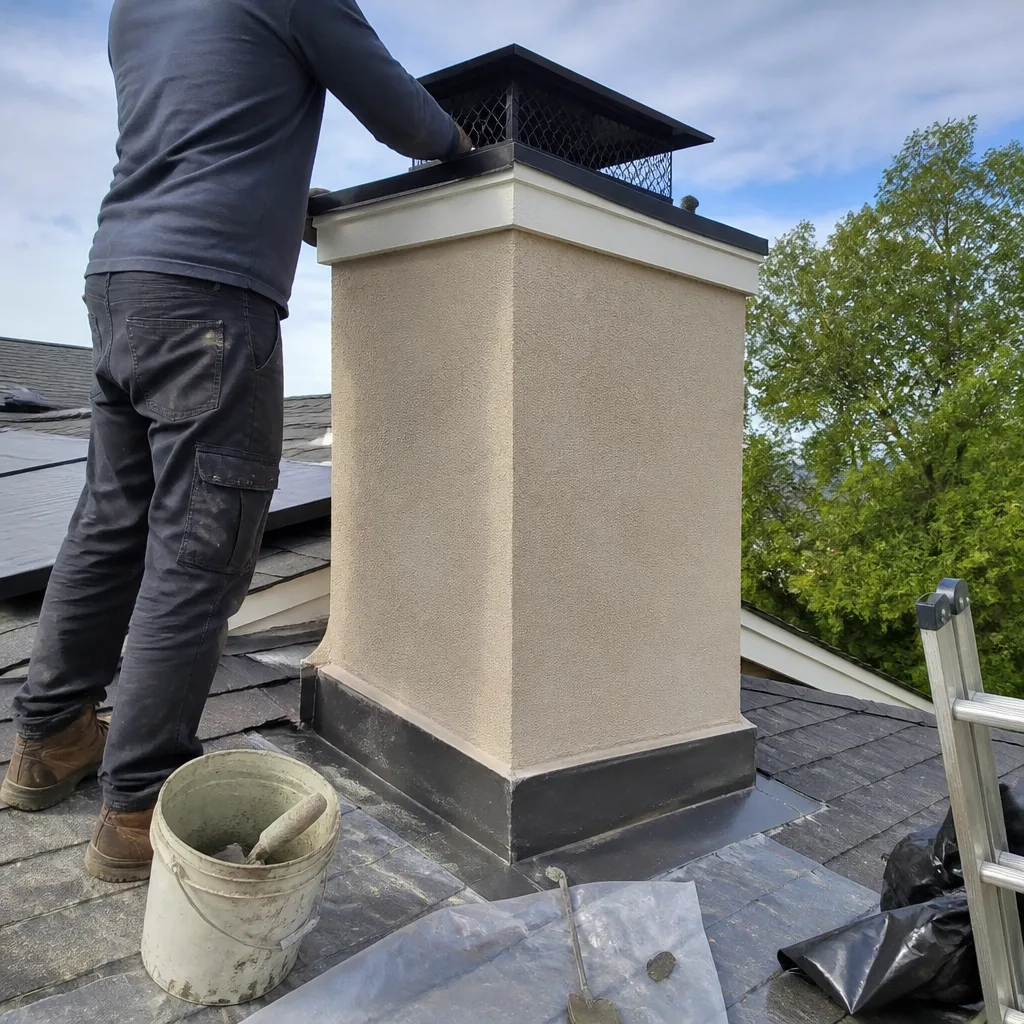
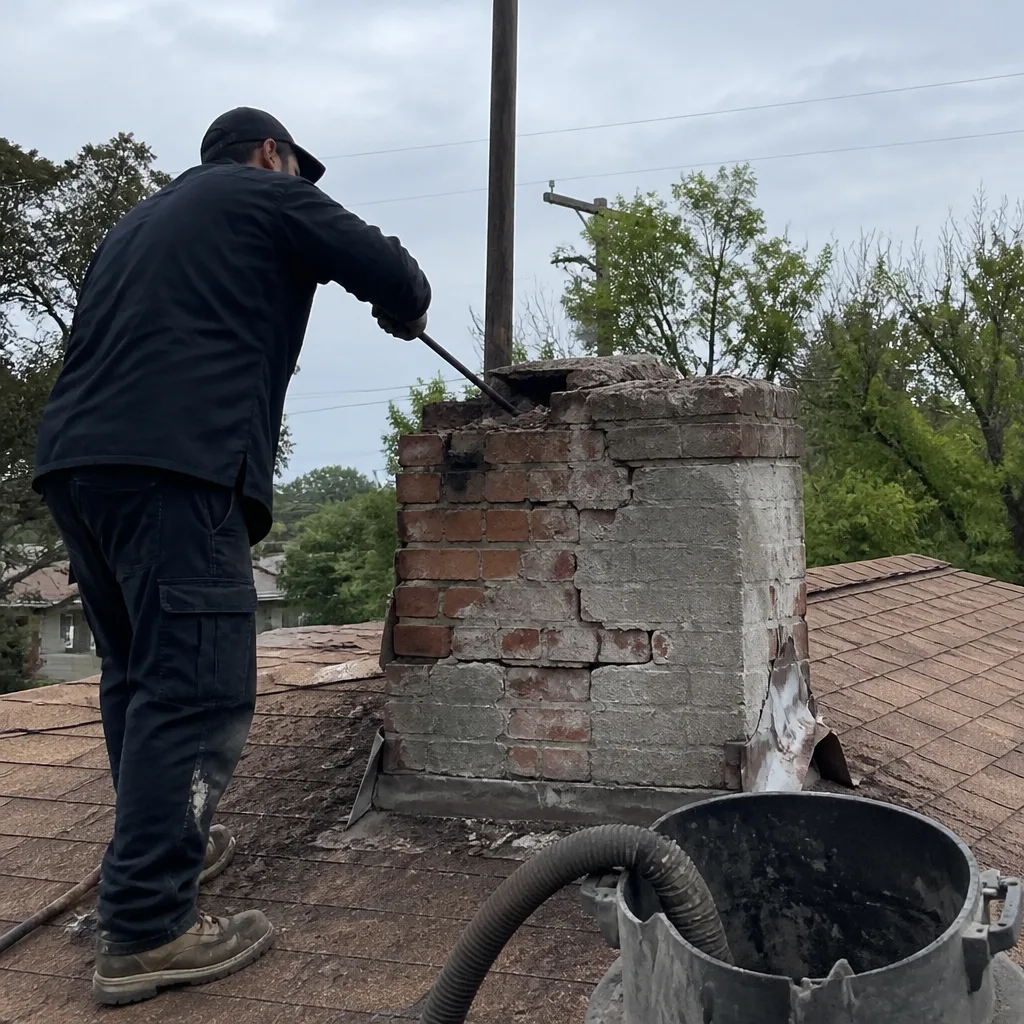
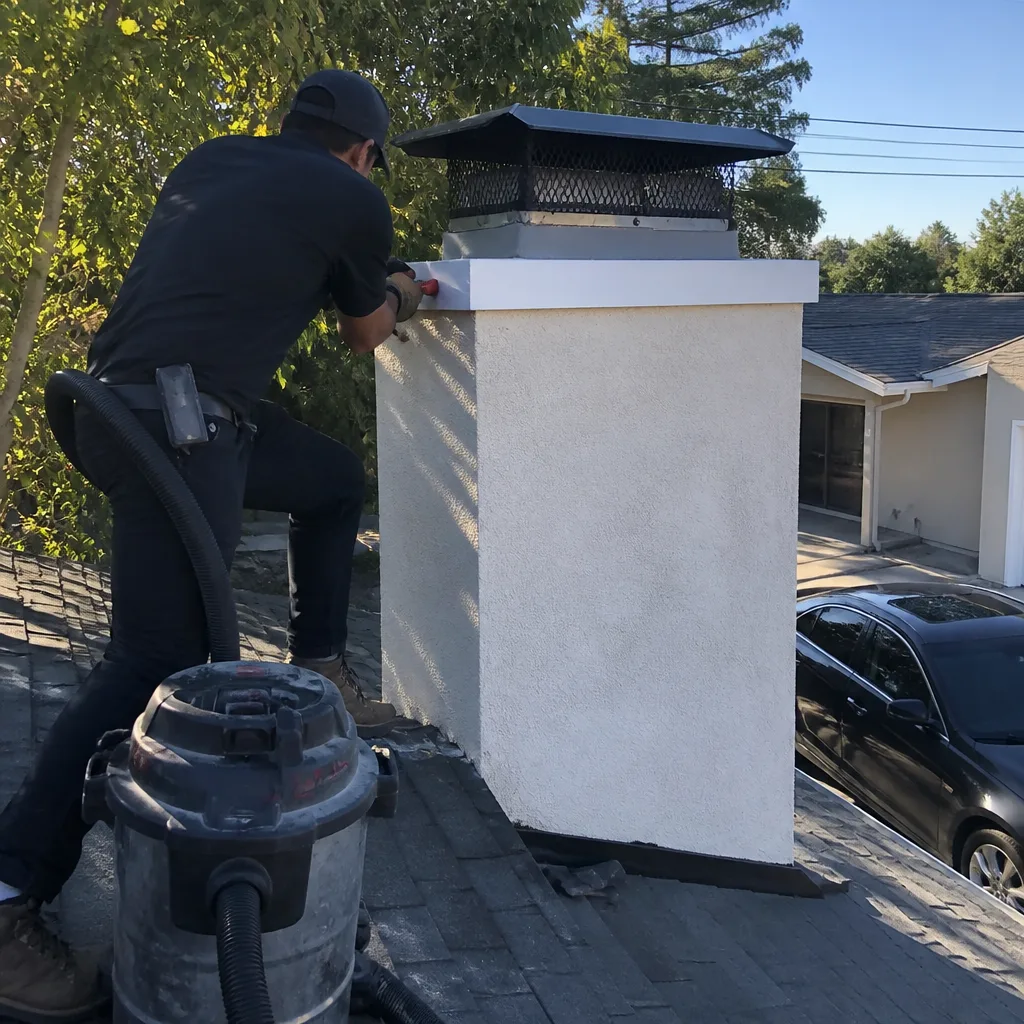
See the difference
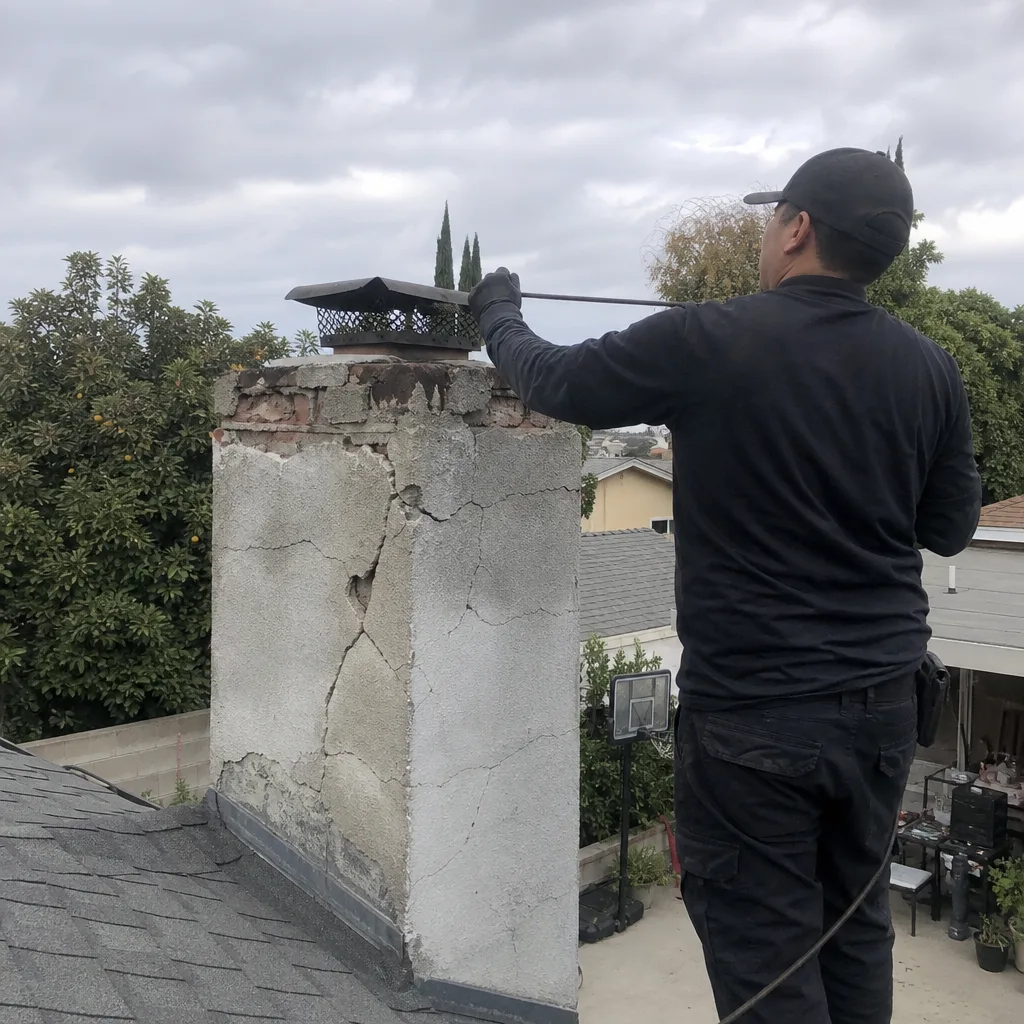 Before
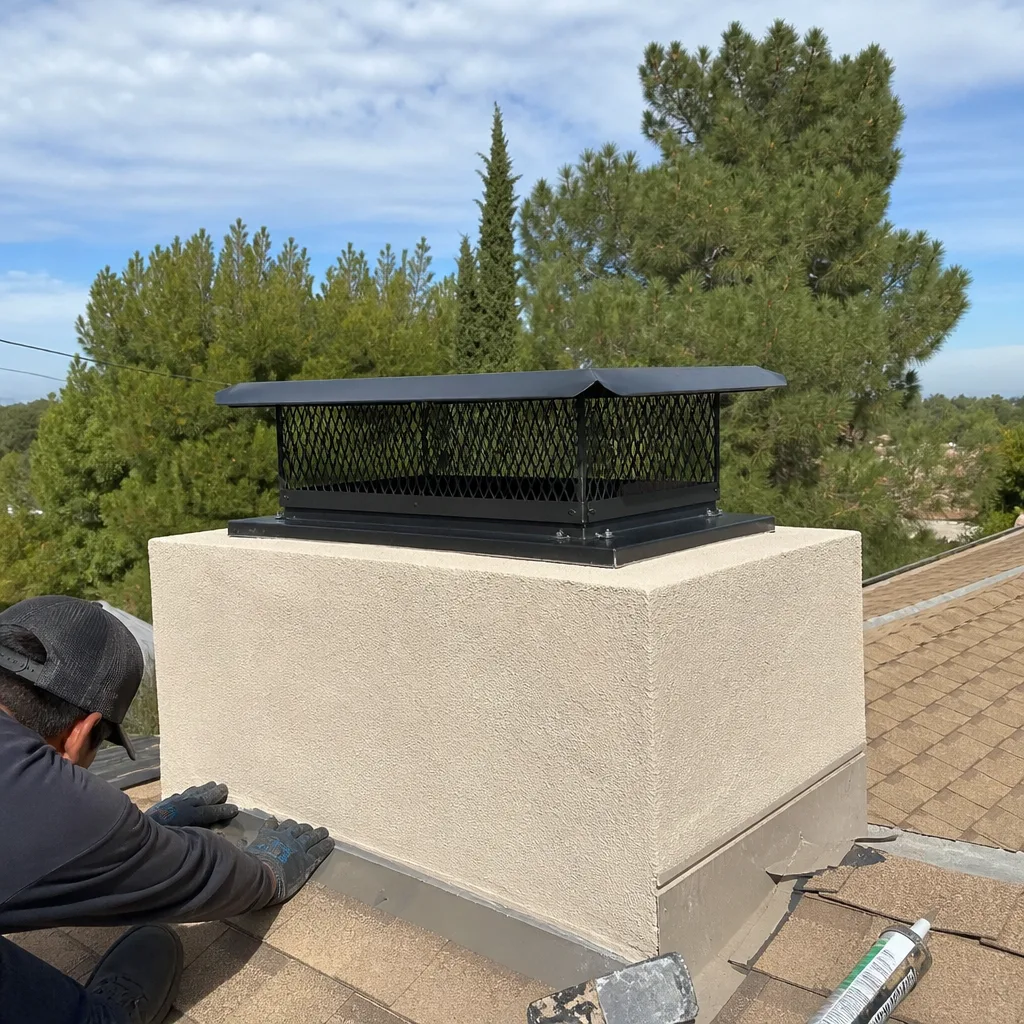 After
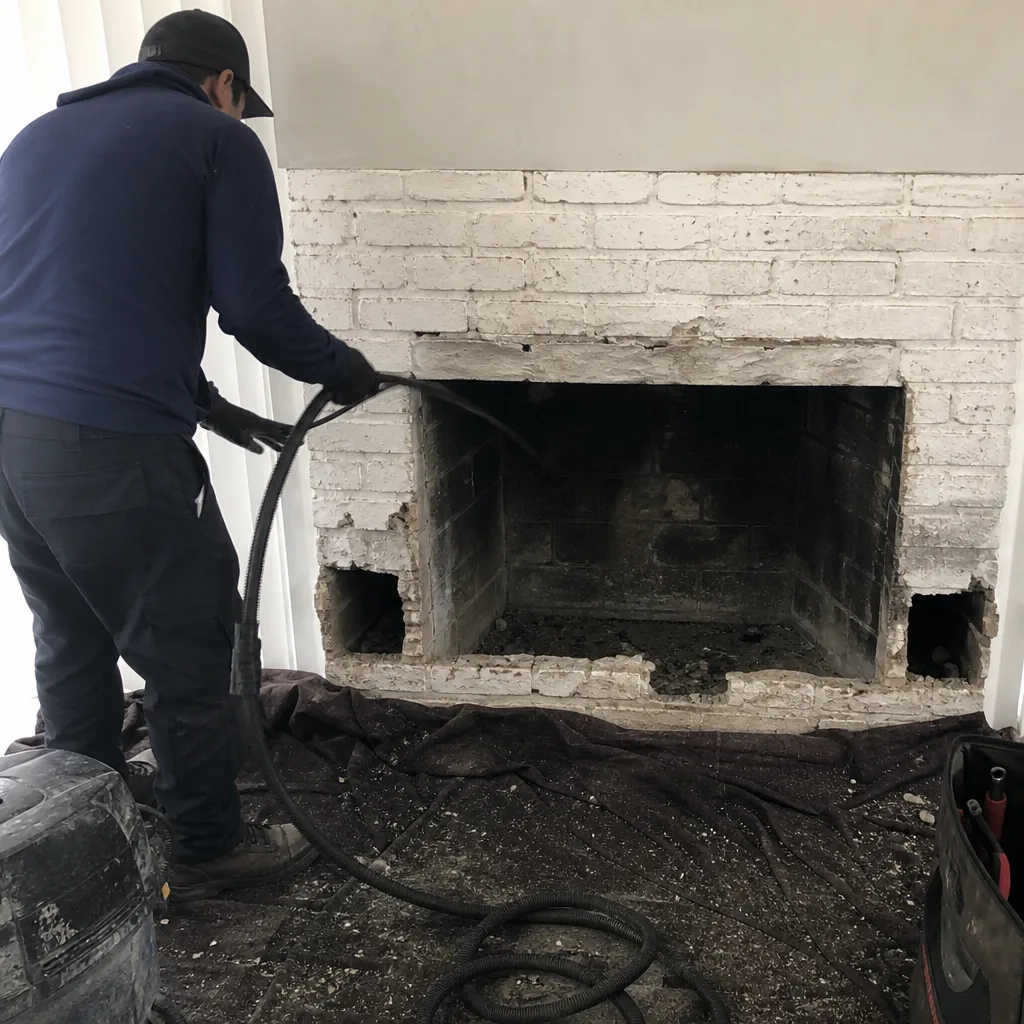 Before
 After
 Before
 After
When to Call a Professional
Call when you smell smoke in the house after the fire is established. Call when you see water stains on interior walls near the chimney or on the ceiling around the hearth. Call when animals wake you up at night from inside the flue. Call when a small earthquake rattles the house, even if nothing visible fell. Call when you buy a home with a fireplace and no service records. Call when the smoke detector near the fireplace triggers during normal operation. Call when the dryer takes longer than thirty minutes to dry a load that used to take twenty. Each of these is a signal, not a suggestion. Chimney Sweep Reseda offers free estimates in Reseda, call (866) 562-0968, and we’ll tell you if the issue is urgent or can be scheduled for the off-season.
Frequently Asked Questions
A standard chimney sweep in Reseda runs between $150 and $300 depending on flue height, accessibility, and the amount of buildup present. Add a Level 2 camera inspection and the total typically lands between $250 and $450. Exact pricing depends on what we find, and we give a flat quote before the work starts. Call (866) 562-0968 for a free estimate based on your specific fireplace.
Seasonal burners using fewer than fifteen fires per year need a sweep every two years, annual if burning eucalyptus or mixed local wood. Regular burners should sweep annually. If you don’t know your burn rate, book one sweep now and the technician can recommend your personal interval afterward.
Not necessarily, and you shouldn’t accept that recommendation without seeing video of the flue’s interior. Shifted tiles and cracked liners are invisible from the exterior, but they show clearly on a camera scan. If repairs are recommended, ask to see the footage and have the specific failure explained. If a liner is genuinely compromised, options like HeatShield resurfacing or DuraFlex relining address the problem permanently.
Creosote and debris accumulate, draft performance drops, and the fire burns less efficiently while producing more smoke. In low-use Reseda fireplaces, the more insidious risk is acidic condensation slowly deteriorating the flue liner and mortar. You won’t see the damage from your living room, but it’s happening. A camera inspection every few years catches it early.
No. A sweep removes deposits from the flue. An inspection evaluates the structural and functional condition of the entire system, often using video equipment. The two services are usually performed together: sweep to clean, inspect to verify safety. Some companies offer one without the other, which leaves a gap in what you know about your chimney.
We don’t recommend it. The dangerous components of high-tension springs and working at roof height make DIY chimney work risky. A professional with proper equipment and training can complete the job safely and identify developing problems a homeowner would miss. For your safety and the long-term condition of your chimney, have it done by someone who does this for a living.
The Bottom Line
Reseda fireplaces fail differently than the national guidelines assume. Low burn rates produce subtle acidic deposits that corrode over time. Valley air clogs cap screens that rural guides never mention. Earthquakes shift flue tiles invisibly. The answer isn’t more frequent sweeping, it’s more informed attention: a camera inspection when something changes, a cap and crown check each year, and a sweep schedule matched to your actual burn habits. The system that vents your chimney and the duct that vents your dryer both need periodic mechanical cleaning, and both are fire risks when ignored. If you want to know the actual condition of your chimney, call Chimney Sweep Reseda at (866) 562-0968. We’ll put a camera up the flue and show you exactly what’s there.
Written by the team at Chimney Sweep Reseda, serving Reseda since 2012.