
Last updated November 2, 2026
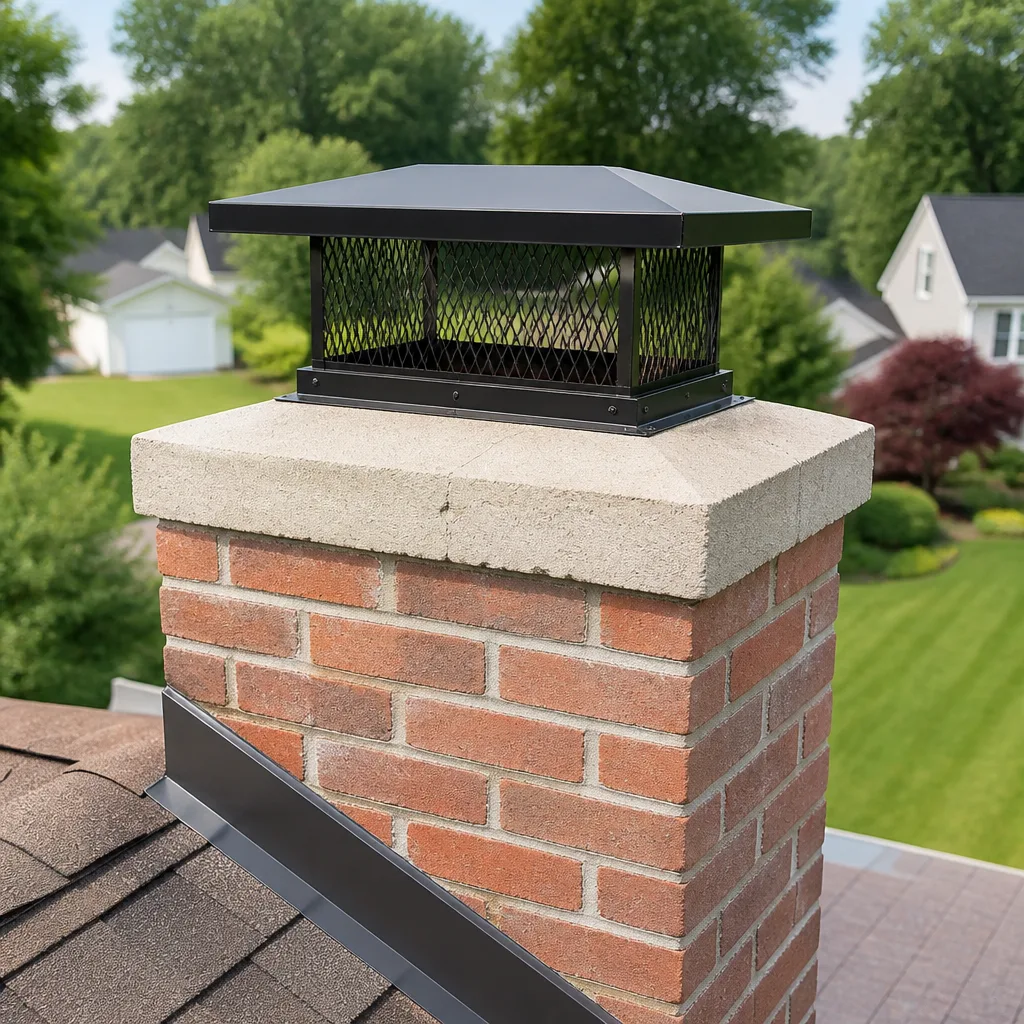 Sweep & inspection
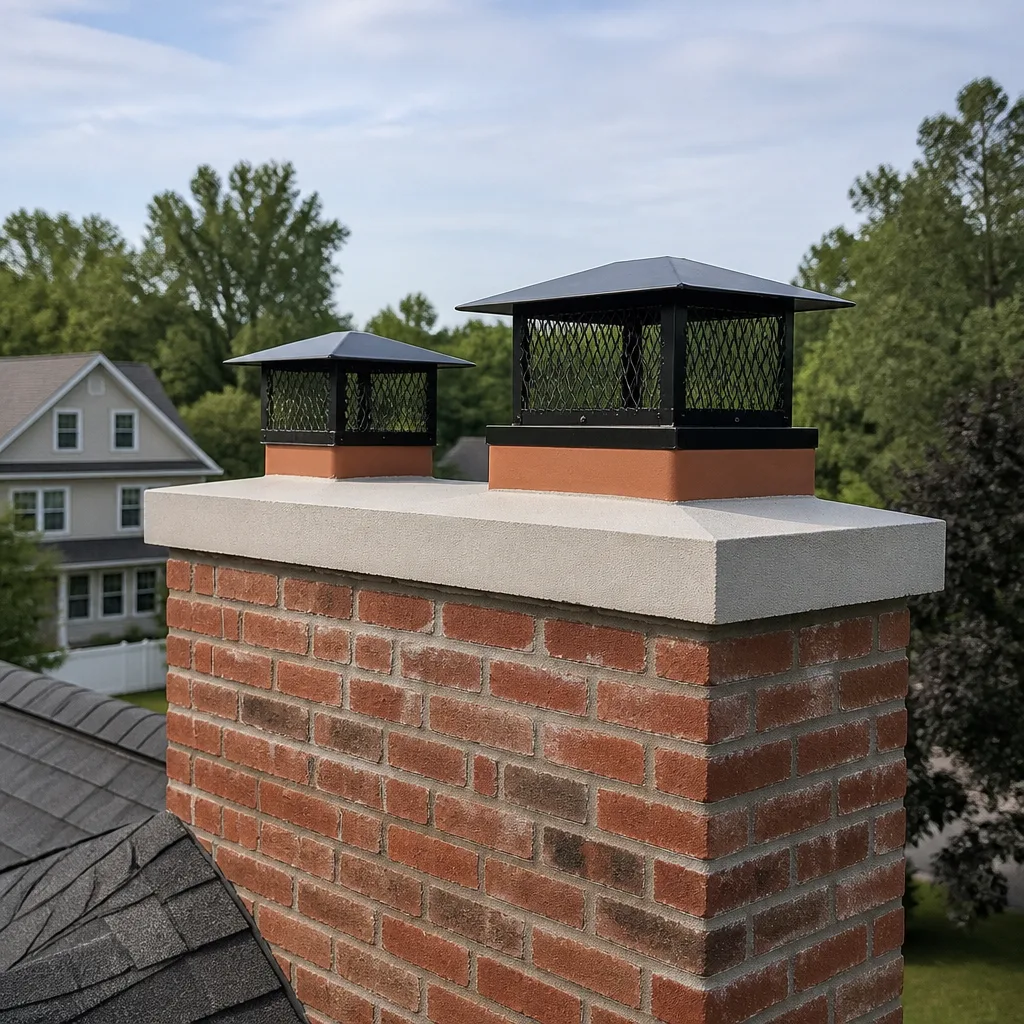 Caps & crowns
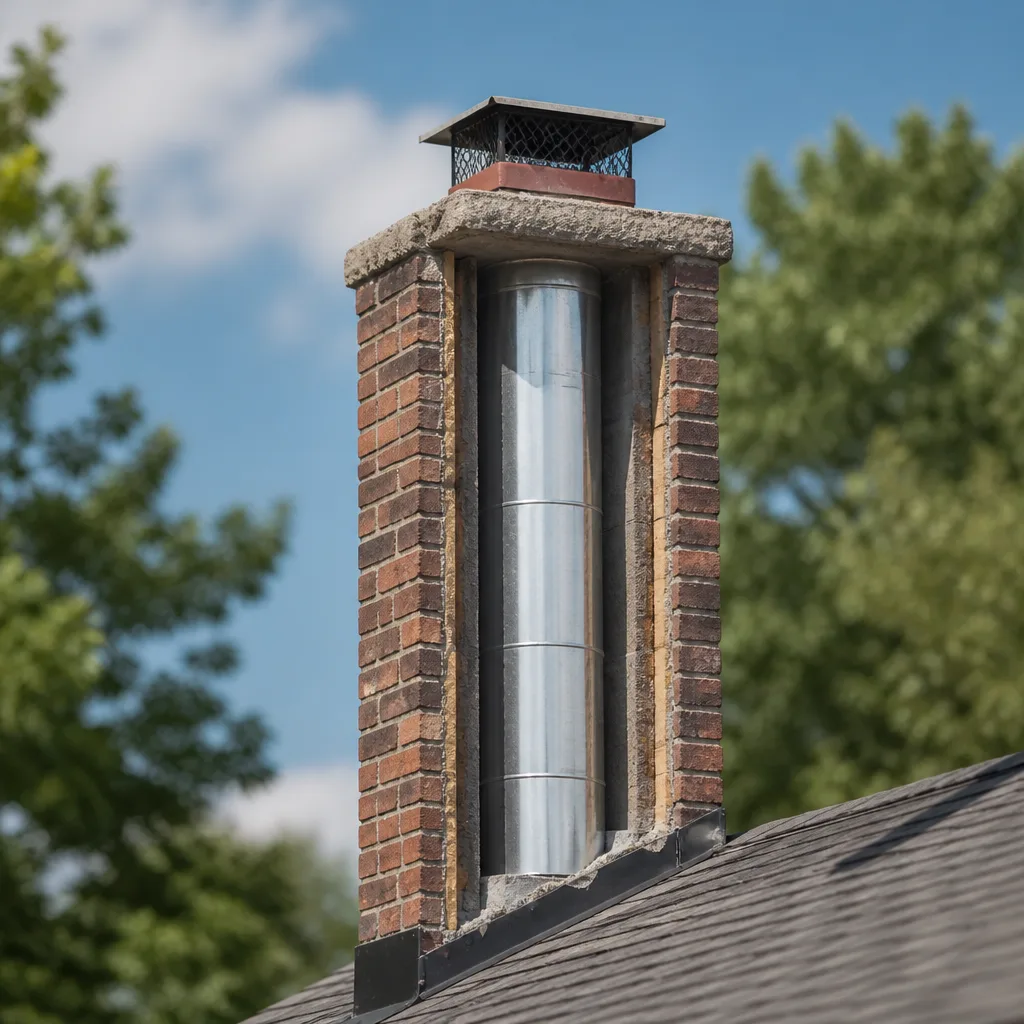 Flue relining
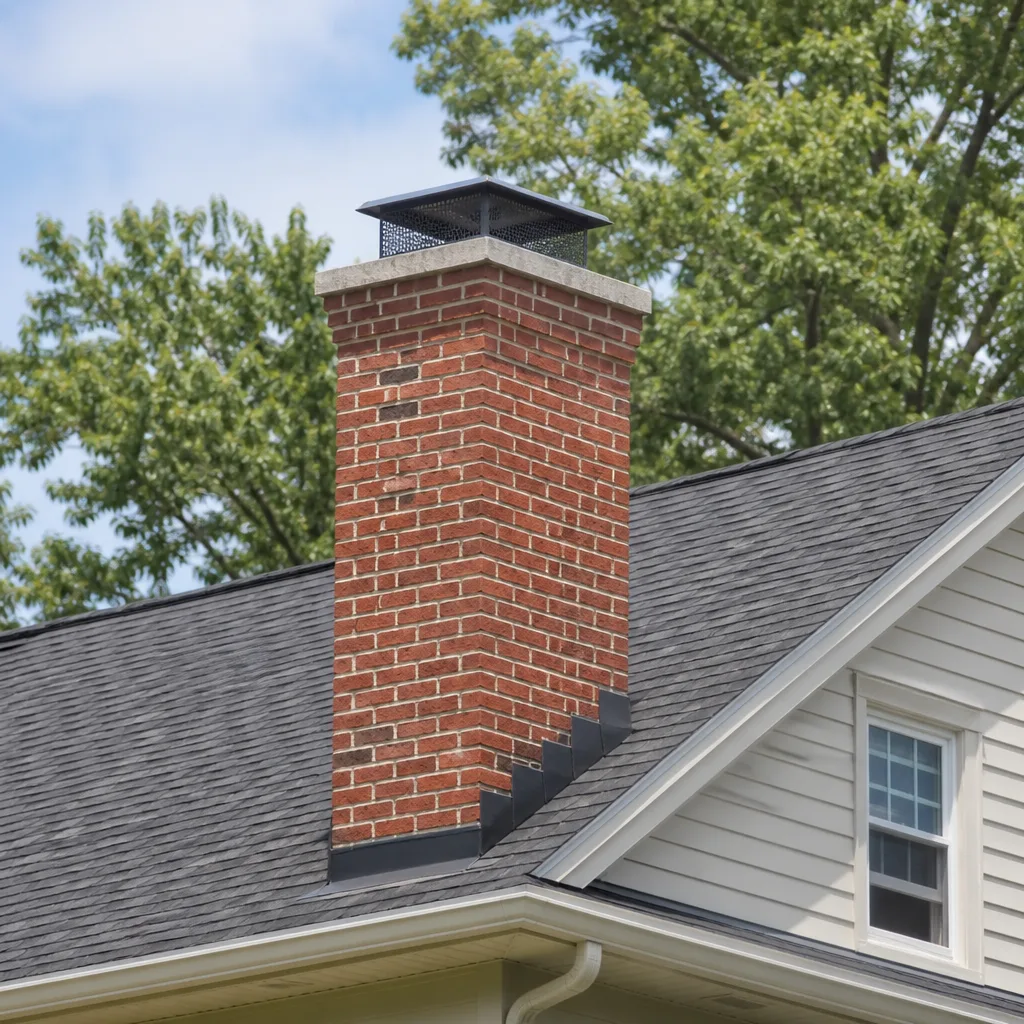 Masonry repair
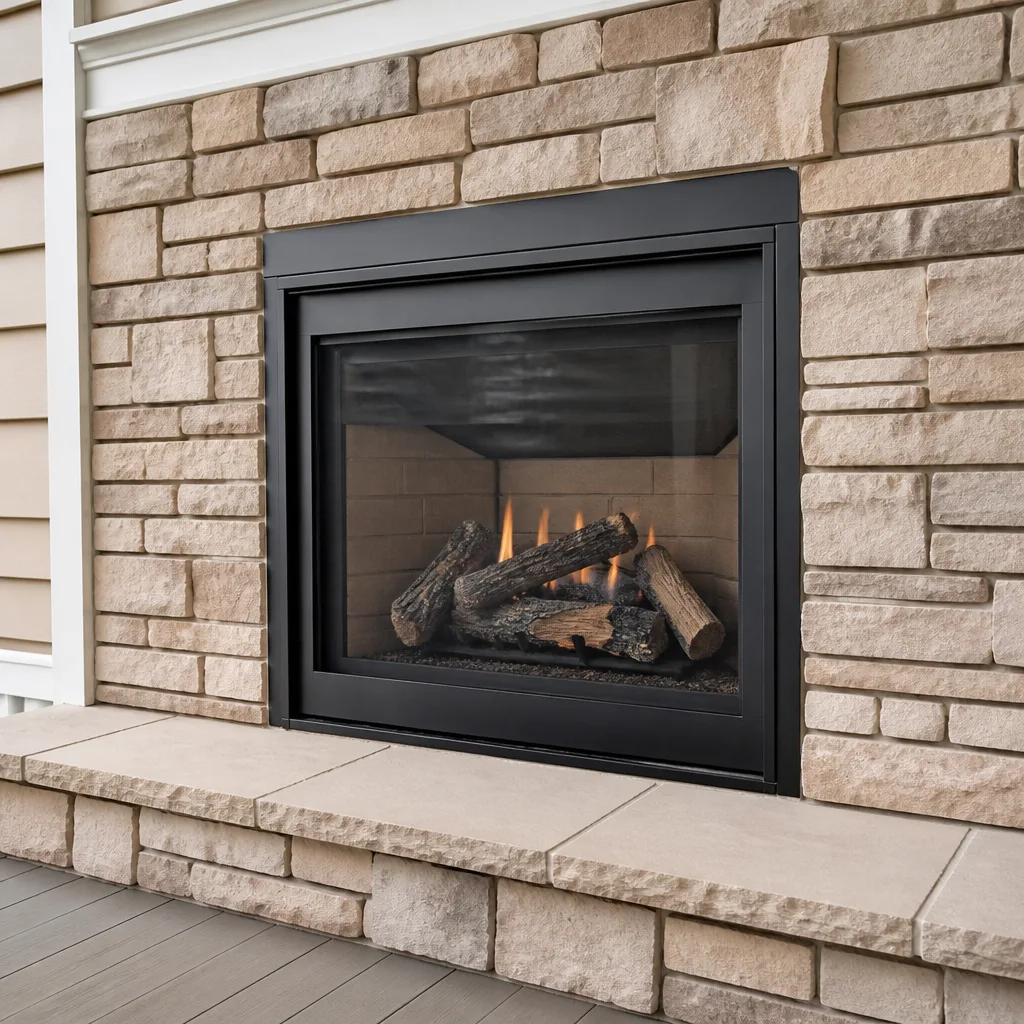 Gas fireplace service
Level 1 sweep and inspection to the NFPA 211 annual standard - flue, crown, cap, and flashing checked and photographed
Chimney sweep logs do not sweep chimneys. They loosen some creosote - which then falls where a brush and vacuum still have to collect it.
How to Hire a Chimney Cleaning Contractor in Reseda: A Step-by-Step Guide
Here’s a number that should make every Reseda homeowner pause: according to the National Fire Protection Association, the leading factor in home heating fires is failure to clean chimneys. A dirty flue doesn’t announce itself. It accumulates creosote quietly through dozens of fires, until one evening the byproduct of “just one more season” becomes a chimney fire that cracks the flue liner and spreads into the attic framing. The frustrating part? Most of these fires happen in homes where the owner genuinely thought the chimney had been maintained. The problem isn’t neglect. It’s that hiring a chimney contractor in Reseda often means choosing between people who are not equally qualified, and the differences are not visible from a website or a truck. This guide walks through the specific verification steps, technical questions, and inspection-report standards that separate a trained chimney sweep from a risky one. For more guides & resources, visit our blog. professional from a homeowner with a brush kit and a business card.
Styles & brands we work with
- Sweep & inspection
- Caps & crowns
- Flue relining
- Masonry repair
- Gas fireplace service
Quick Answer
The most reliable way to hire a chimney cleaning contractor in Reseda is to verify the company’s CSIA certification number on the Chimney Safety Institute of America’s public directory before scheduling, require a written inspection report with photographs after every sweep, and ask four specific technical questions during the phone estimate that an untrained sweep cannot answer fluently. A legitimate sweep in Reseda will sweep to the NFPA 211 standard, document what they find, and recommend repairs only when they can show you camera evidence of the actual damage.
Table of Contents
- Why Reseda Sweeps Are Harder to Vet Than You’d Expect
- Step 1: Verify CSIA and NFI Credentials Before You Schedule
- Step 2: Ask These Four Technical Questions During the Phone Quote
- Step 3: Understand Why the Lowest Bid Almost Always Costs More
- Step 4: Require a Written Inspection Report, Not a Verbal Thumbs-Up
- Step 5: Read Online Reviews the Way an Insurance Auditor Would
- What You Should Actually See on the Day of the Sweep
- Common Mistakes to Avoid
- When to Call a Professional
- Frequently Asked Questions
- The Bottom Line
Why Reseda Sweeps Are Harder to Vet Than You’d Expect
Chimney sweeping is one of the few remaining trades where a person can legally start a business tomorrow with nothing more than a van, a ladder, and a rotary brush bought online. California does not require a specific chimney sweep license. General contractor licensing rules apply to structural work, but nothing stops someone from calling themselves a “chimney professional” and charging for cleanings. This creates a crowded market in the San Fernando Valley where the qualifications behind the marketing range from certified and experienced to genuinely dangerous.
Reseda’s housing stock adds another layer. Many homes here were built between the 1940s and 1970s, which means the fireplaces predate modern liner standards. Terra cotta flue tiles from that era crack under repeated heat stress, and those cracks are invisible from the hearth. A basic visual sweep will not catch them. Only a camera inspection will. The contractor you hire needs to understand what 60-year-old San Fernando Valley chimneys do under load, what the original construction methods were, and how the local climate, with its long dry stretches punctuated by wet winters, accelerates mortar deterioration. This is not generic fireplace knowledge. It is Reseda-specific knowledge, and it is exactly what you should be paying for.
The practical takeaway: in a market with low barriers to entry, the burden of verification falls on you. The good news is that verification is fast and free, and the rest of this guide gives you the exact steps.
Step 1: Verify CSIA and NFI Credentials Before You Schedule
The Chimney Safety Institute of America, or CSIA, is the industry’s recognized baseline credential. A contractor who holds an active CSIA certification has passed an exam covering chimney codes, fire science, inspection methods, and repair standards, and must recertify through continuing education. The National Fireplace Institute, or NFI, offers a parallel certification focused more on hearth appliances and venting systems. Between the two, CSIA is the credential most relevant to chimney sweeping and inspection work.
Here is the part most homeowners skip: taking the contractor’s word for it. In Reseda, it is routine to see “CSIA Certified” on a website or truck wrap, but when you ask for the certification number, the story changes. Sometimes the certification lapsed three years ago. Sometimes it belongs to a subcontractor who will not be on your roof. Sometimes it was never issued at all.
The CSIA runs a public, searchable database on its website. Verification takes under sixty seconds. Here is exactly how to do it:
- Go to csia.org and navigate to “Find a CSIA Pro.”
- Enter the company name or the individual technician’s name.
- Look for a current certification number and an active status, not just a listing.
- Ask the contractor for the individual technician’s CSIA number, not the company’s, and verify it.
- Ask whether the person doing your actual sweep is the one whose certification you are verifying.
An active CSIA number is the floor, not the ceiling. It tells you the person was trained and tested. It does not tell you they are experienced with mid-century Reseda flues or that they document their work properly. But it is the fastest reliable filter for separating a trained professional from a brush-and-van operation. We have yet to meet a competent sweep who was unwilling to provide a certification number on request. Hesitation on this question is itself the answer.
If you are hiring a Chimney Sweep in Reseda, ask for the certification number in the first phone call, before you discuss scheduling. You want the person who will be on your roof to be the person whose number checks out.
Step 2: Ask These Four Technical Questions During the Phone Quote
A certification tells you someone passed a test. A phone conversation tells you whether the knowledge stuck. These four questions are designed to reveal in under five minutes whether the person quoting your sweep understands the systems they will be touching. A trained professional answers them without pausing. An unqualified sweep hedges, deflects, or changes the subject to price.
- “What level of creosote buildup are you looking for, and what does each level mean for how you clean?” Creosote is classified in three stages, from flaky first-stage to hardened, glazed third-stage. A qualified sweep can describe all three and explain that third-stage creosote cannot be removed with standard brushing and requires different tools and methods. If you hear “we just brush it out,” move on.
- “Will your sweep include a camera inspection of the flue liner, or is it visual only?” The NFPA 211 standard requires a certain level of inspection whenever a chimney is swept. A visual-only approach cannot see hairline cracks in terra cotta liners, which are the single most common serious defect in older Reseda homes. A legitimate sweep offers or includes camera documentation. If camera inspection is an upsell that gets dismissed as unnecessary, that tells you how thorough the rest of the work will be.
- “What’s the clearance requirement for my chimney crown, and how do you check it when you’re up there?” The chimney crown is the concrete cap at the top of the chimney. Building codes specify how far it must extend beyond the brick and how it must slope to shed water. A competent sweep can cite the dimensions from memory and describe checking for cracks and spalling. An unqualified one will talk vaguely about “checking the top” without specifics.
- “Can you describe what the smoke chamber does and what problems you commonly find in older Reseda chimneys there?” The smoke chamber is the transition zone above the firebox. It is often constructed with corbeled brick and is a frequent source of creosote accumulation and drafting problems. A sweep who has actually worked on Valley homes can describe this. One who has only read about it stumbles.
These questions are screening tools, not traps. A good contractor welcomes them because they are the same things a knowledgeable homeowner should want to ask. The goal is not to win a debate. It is to hear the fluency that comes from having actually done this work on homes like yours.
Step 3: Understand Why the Lowest Bid Almost Always Costs More
Chimney sweeping quotes in Reseda can range from under $100 to over $300 for what sounds like the same service on the phone. See our Chimney Cleaning Cost Breakdown: The Reseda Homeowner’s Reference for 2026 for line-item guidance. The difference is not profit margin. It is scope. A proper chimney sweep includes specific steps, and each one takes time and equipment. A cut-rate quote skips steps, and the skipped steps are invisible to you until something fails.
Here is what a complete chimney sweep actually involves, and what gets cut when the price drops:
- Drop cloths and dust containment. Proper sealing of the firebox opening with a high-suction vacuum system keeps fine soot out of your living room. Cheaper sweeps bring a tarp and a shop vac, and your furniture carries the evidence for weeks.
- Rotary or whip cleaning matched to the flue size, not a one-size brush. Flues come in different dimensions and liner materials. Using the wrong size brush leaves creosote stripes on the walls and gives you a false sense of security.
- Actual removal of creosote from the smoke shelf and smoke chamber. These two areas collect as much creosote as the flue walls themselves, but accessing them takes time. Skipping them means the majority of the fuel load remains in your chimney after the “sweep.”
- Camera documentation of the entire flue from top to bottom. This is the difference between knowing your chimney is clean and having proof that it is also intact. Camera rigs cost money, and so does the time to run them properly.
- A written report with photographs, measurements, and condition notes. We will get to why this matters below, but the short version: documentation take time, and time is what the low bid is designed to save.
None of this means you need the most expensive bid. It means you need to compare quotes line by line, with specific questions about what is included. “Flue swept” is not the same as “flue swept, smoke chamber cleared, camera inspection performed, and written report delivered.” In our experience, the lowest bid in Reseda is low for a reason, and that reason is usually a skipped step you will not discover until it matters.
Step 4: Require a Written Inspection Report, Not a Verbal Thumbs-Up
This is the single most important requirement in this guide, and the one most homeowners skip. A verbal “you’re good to go” after a sweep means nothing. A written inspection report with photographs means everything, especially if you ever need to make an insurance claim or prove what condition your chimney was in at a specific date.
Here is what a legitimate written inspection report from a Reseda sweep should include:
- Photographs of the flue interior, from the camera inspection, showing the liner condition before and after cleaning. If a crack or deterioration exists, you should be able to see it yourself in the image, not just take someone’s word that it is there.
- Measurements of the flue dimensions and an assessment of whether the liner is properly sized for the appliance it serves.
- Condition notes on the crown, cap, flashing, and masonry, not just the flue itself. The chimney is a system, and the report should treat it as one.
- Creosote stage classification and a note on whether the previous cleaning fully removed it or whether glazed deposits remain.
- Safety observations that are specific, dated, and photographed: a cracked terra cotta tile, a missing rain cap, a deteriorated crown.
- Recommendations with clear priority levels. “This needs attention this season” is not the same as “this can be monitored and reassessed next year.” A good report distinguishes between the two.
Why the written report matters for insurance: if a chimney fire or water damage claim ever goes to your carrier, the adjuster will ask when the chimney was last inspected and by whom. A dated report with photographs that show a sound chimney at the time of the last sweep is evidence in your favor. A verbal memory is not evidence of anything. This is not a hypothetical concern. Reseda homes with original masonry chimneys are exactly the profile where liner deterioration goes unnoticed until it becomes a claim. Our Chimney Cleaning Emergency Preparedness Guide for Reseda Homes covers how to document condition before problems arise.
If a contractor cannot produce a written report because “we don’t really do paperwork,” thank them for their time and call the next name. We say this as a company whose Chimney Repair in Reseda work almost always begins with a documented inspection, because you cannot responsibly recommend a repair you have not first proven exists.
Step 5: Read Online Reviews the Way an Insurance Auditor Would
Chimney contractor reviews in Reseda follow patterns, and the patterns mean more than the star average. Five-star reviews are common. Detailed five-star reviews are rare. The difference between the two is where the useful signal lives.
Here is what to look for, and what to be skeptical of:
- Detailed reviews that name a specific problem and a specific fix. “They found a crack in our flue liner, showed me the camera footage, and used HeatShield to resurface it rather than pushing a full reline” is a review written by a real customer who received real service. These reviews signal a contractor who communicates what they find. They are rare and valuable.
- Vague five-star reviews with no specifics. “Great service, nice guys, would recommend” tells you almost nothing. They may be genuine, but they do not distinguish a thorough professional from a friendly one. A pattern of vague reviews, especially with no mention of inspection, documentation, or actual findings, is a yellow flag.
- Reviews that mention inspection reports, photographs, or written documentation. These are gold. They mean the contractor’s standard practice includes the transparency you should be demanding.
- Reviews that mention upsells or pressure. “They recommended a $4,000 reline and couldn’t show me why” is the most useful one-star review you will ever read. A single review like this does not condemn a company, but a pattern of suspiciously expensive recommendations with vague justifications should end the conversation.
- Reviews that mention a specific technician’s name. This tells you the person sent to the job was skilled enough that the customer remembered them. It is a small signal, but it correlates with actual craft.
Ignore the overall star average until you have read the content. A 4.8 with ten detailed reviews is more informative than a 5.0 with forty “great guys” blurbs. And do not limit yourself to the platform the contractor links to. Check Google, Yelp, and the Better Business Bureau. The most revealing reviews are often the ones a company does not feature on its own site.
What You Should Actually See on the Day of the Sweep
By now you know what questions to ask and what credentials to verify. Here is what a properly executed chimney sweep in Reseda should look like from your living room, so that when it happens, you recognize it as competent work rather than theater.
Arrival and setup. The technician should confirm with you what will be done, ask about any recent changes in how the fireplace draws or smells, and note any concerns you have before starting. Then they should lay down drop cloths, seal the firebox opening, and set up a vacuum system designed for fine particulate. If you see a tarp and a household vacuum, the standard is already lower than it should be.
The sweep itself. Cleaning happens from the top down and the bottom up. The technician should work with brushes or rotary tools sized to your flue, and they should spend meaningful time clearing the smoke shelf and smoke chamber, not just the flue walls. This is not a five-minute process. A thorough sweep of an actively used fireplace frequently takes an hour or more, including setup and inspection.
The camera inspection. After the sweep, a fish-eye or forward-view camera should be run through the flue. This is where cracked terra cotta tiles, deteriorated mortar joints, and damaged liners get found. You should be offered the chance to see the footage, ideally in real time. If a repair is recommended, you should be looking at the photograph of the damage when the recommendation is made. This is the standard we hold our own Chimney Sweep Reseda home to, and it is the standard you should expect from anyone working on your chimney.
The report. Before the technician leaves, you should receive written documentation. It may be emailed immediately or printed on the spot, but it should exist, and it should include everything covered in the previous section. If the sweep ends with a handshake and a spoken summary, you have not received what you paid for, no matter how the chimney looks.
Common Mistakes to Avoid
- Trusting the truck wrap over the database. Anyone can print “Certified Chimney Professional” on a vehicle. The CSIA database is the only verification that matters. Check the number, not the vinyl.
- Comparing quotes without comparing scope. A $99 sweep and a $249 sweep are not the same service. Ask what is included, in writing, before you compare prices.
- Accepting a verbal report. No written documentation means no evidence of what was found. If you ever need to make an insurance claim, the absence of a report will work against you in ways you cannot recover from.
- Skipping the camera inspection to save money. Camera inspection is not an upsell. It is the diagnostic tool that finds the problems you cannot see from the hearth. Skipping it to save $100 is buying false confidence.
- Hiring based on availability rather than verification. The best Reseda sweeps are often booked out during fall and winter. This is a feature, not a problem. A contractor who can come tomorrow during peak season is often the one who has no other customers, and there is usually a reason for that.
- Ignoring the smoke chamber, cap, and crown because the flue looks clean. The chimney is a system. Water entering through a cracked crown will destroy the masonry even if the flue interior is immaculate. The clean flue is one component, not the whole picture.
- Not asking who will actually be on your roof. A company with one certified technician and five uncertified employees may send anyone. Confirm that the person doing the work is the person whose credentials you verified.
When to Call a Professional
Call a professional chimney sweep in Reseda if you have not had your chimney inspected in the last 12 months and you use your fireplace more than occasionally. Call sooner if you notice a campfire-like odor coming from the fireplace when it is not in use, if smoke enters the room during normal operation, if you see dark staining on the walls around the hearth, or if you have not used the fireplace in years and are about to again after living with it dormant. Do not attempt to clean a masonry chimney yourself without the proper brushes, a HEPA-equipped vacuum, and a partner. Creosote exposure is a skin and respiratory irritant, and working from a roof in Reseda’s summer heat creates a fall risk that no savings is worth. Chimney Sweep Reseda offers free estimates in Reseda, call (866) 562-0968.
Frequently Asked Questions
A chimney sweep in Reseda typically ranges from $150 to $350 depending on the size of the flue, the amount of creosote buildup, and whether a camera inspection is included. Prices below $100 almost always mean skipped steps like smoke chamber cleaning or written documentation. Call (866) 562-0968 for an exact quote, estimates are free.
Visit the CSIA website’s “Find a CSIA Pro” directory and search for the company or the individual technician’s name. The listing will show whether the certification is current or expired. Ask for the technician’s certification number before scheduling and verify it yourself, do not rely on the number printed on the website.
The NFPA 211 standard recommends a Level 1 chimney inspection at least once per year for chimneys that are used regularly, regardless of whether the flue looks dirty. In Reseda, where most fireplaces burn wood during the winter months, an annual inspection timed before the burning season is the practical minimum. Our Seasonal Chimney Cleaning Care for Reseda: Year-Round Homeowner’s Guide breaks down what to schedule and when.
A proper chimney sweep should include a camera inspection of the flue liner, or at minimum offer it as a documented part of the service. Without camera footage, hairline cracks in terra cotta liners are invisible, and those cracks are the beginning of most serious chimney problems in older Reseda homes.
A sweep removes creosote and soot from the flue, smoke chamber, and firebox. An inspection evaluates the structural condition of the entire chimney system, including the liner, crown, cap, and masonry. The two are usually performed together, and a responsible sweep in Reseda will do both and document the findings in writing.
You can purchase a brush kit from a hardware store, but the brush will not remove third-stage glazed creosote, will not see a cracked liner, and cannot provide the written documentation an insurance adjuster will ask for after a chimney fire. Climbing onto a Reseda roof with a brush and a shop vac is also genuinely dangerous. This is a trade where the DIY savings rarely survive contact with reality.
The Bottom Line
Hiring a chimney cleaning contractor in Reseda comes down to three habits: verify credentials in the CSIA database rather than trusting marketing, require written documentation with camera photography rather than accepting a verbal thumbs-up, and ask technical questions that reveal whether the person on the phone knows the difference between a smoke shelf and a smoke chamber. A qualified sweep will welcome all three. An unqualified one will make excuses. The fireplace in a Reseda home is a system that has been heating Valley living rooms for decades, and keeping it safe for the next decade means choosing a contractor who treats it like the engineered structure it is and can prove what they find. Chimney Sweep Reseda works with professional-grade materials including DuraFlex liners, HeatShield resurfacing, and Gelco cap and crown components, and we document every inspection with photography. Call (866) 562-0968 for a free estimate.
Written by the team at Chimney Sweep Reseda, serving Reseda since 2012.
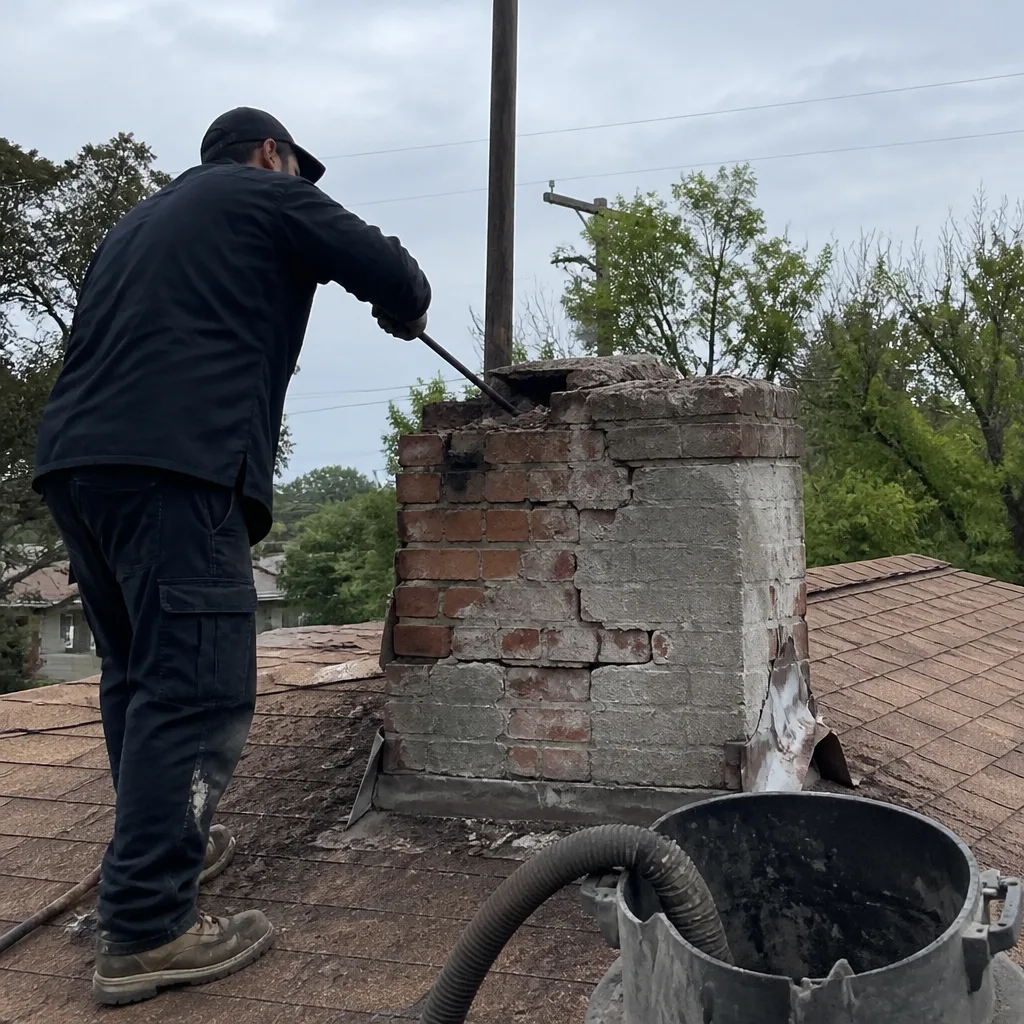
See the difference
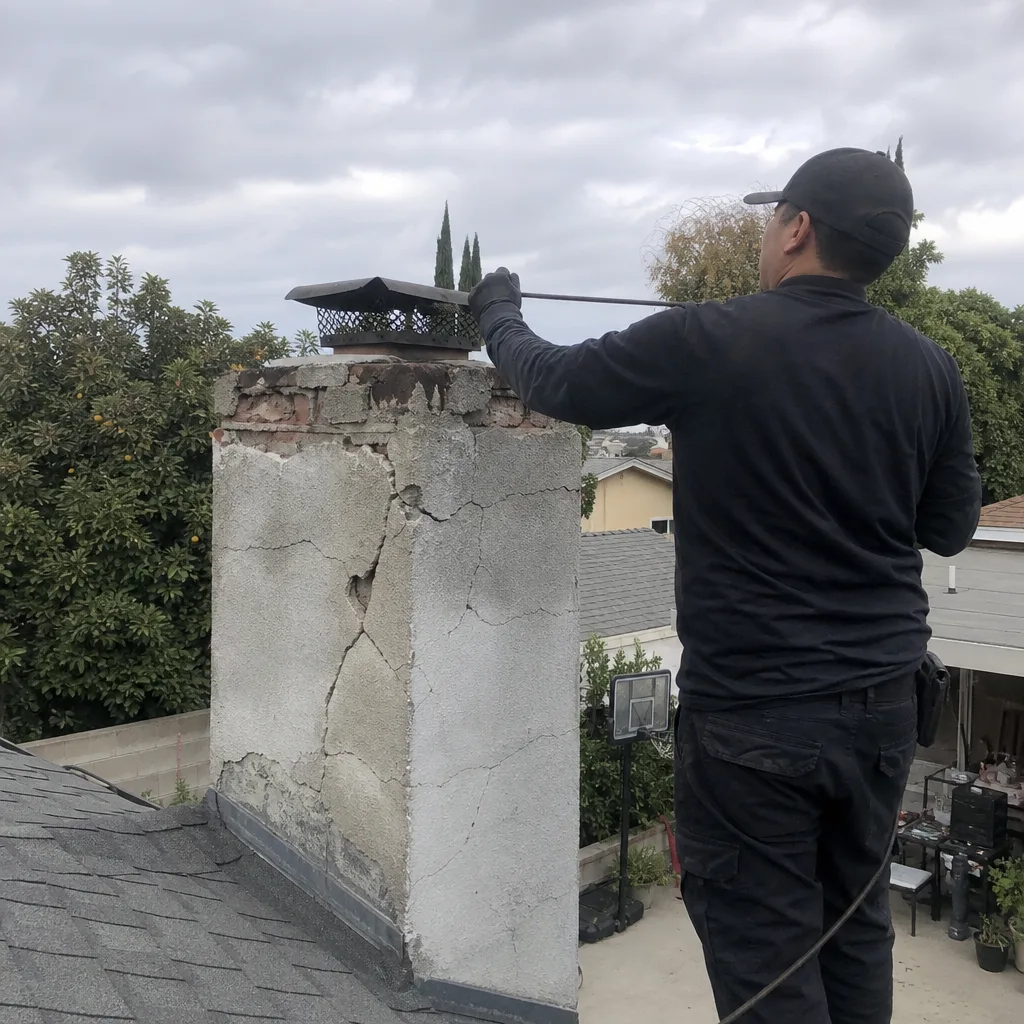 Before
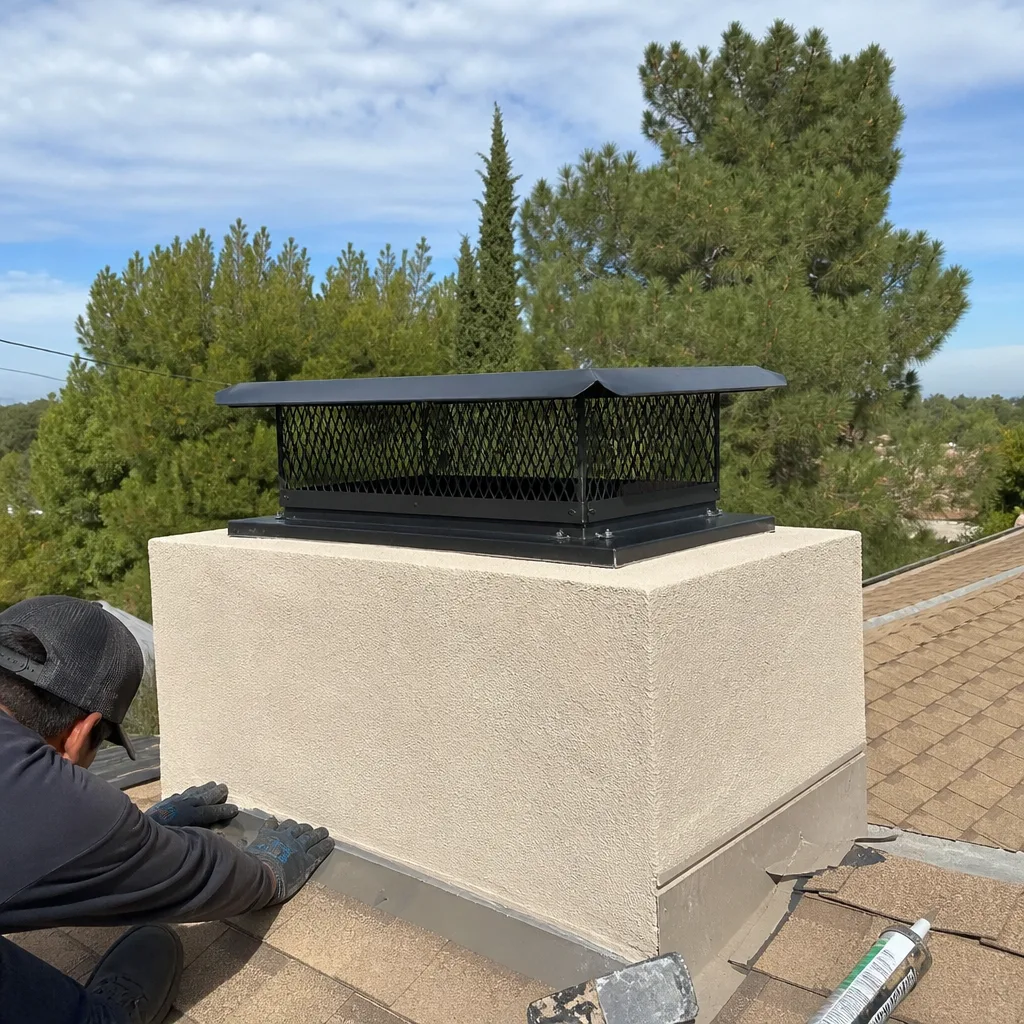 After
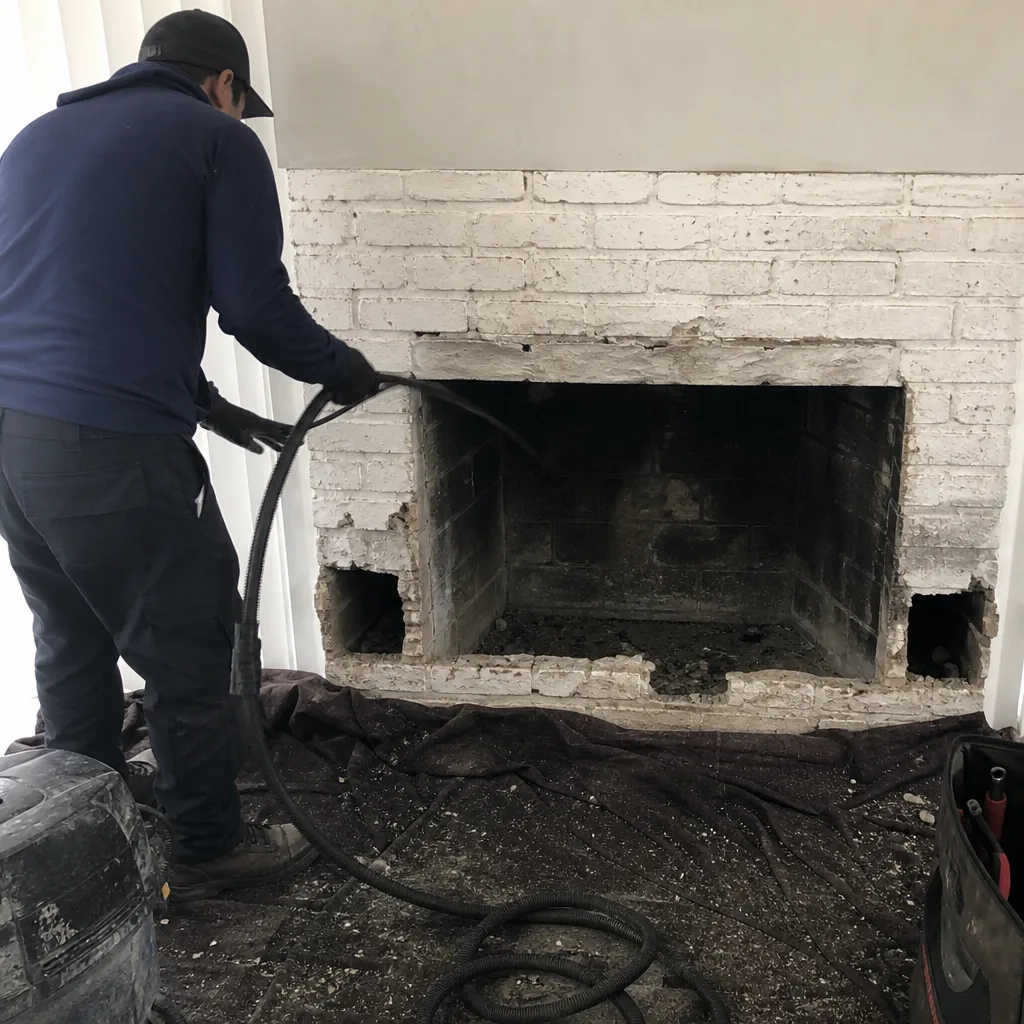 Before
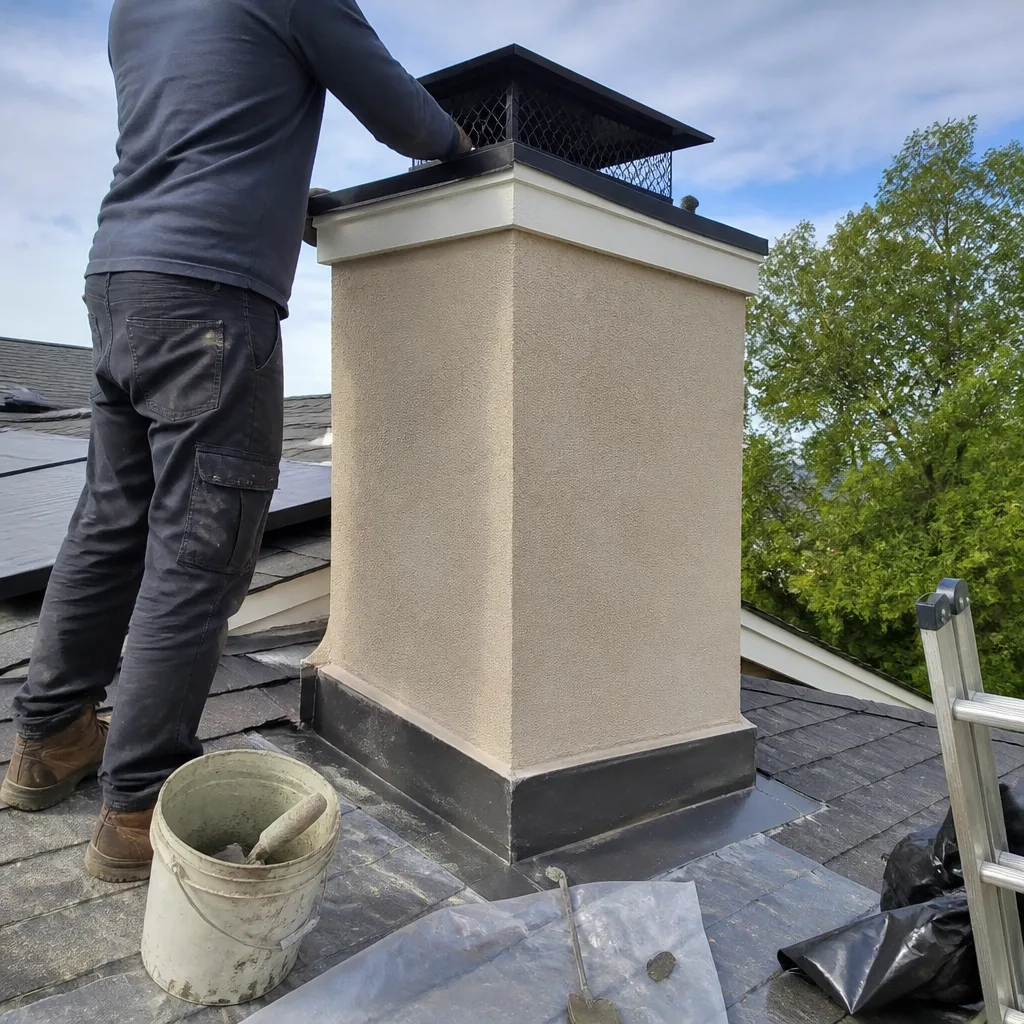 After
 Before
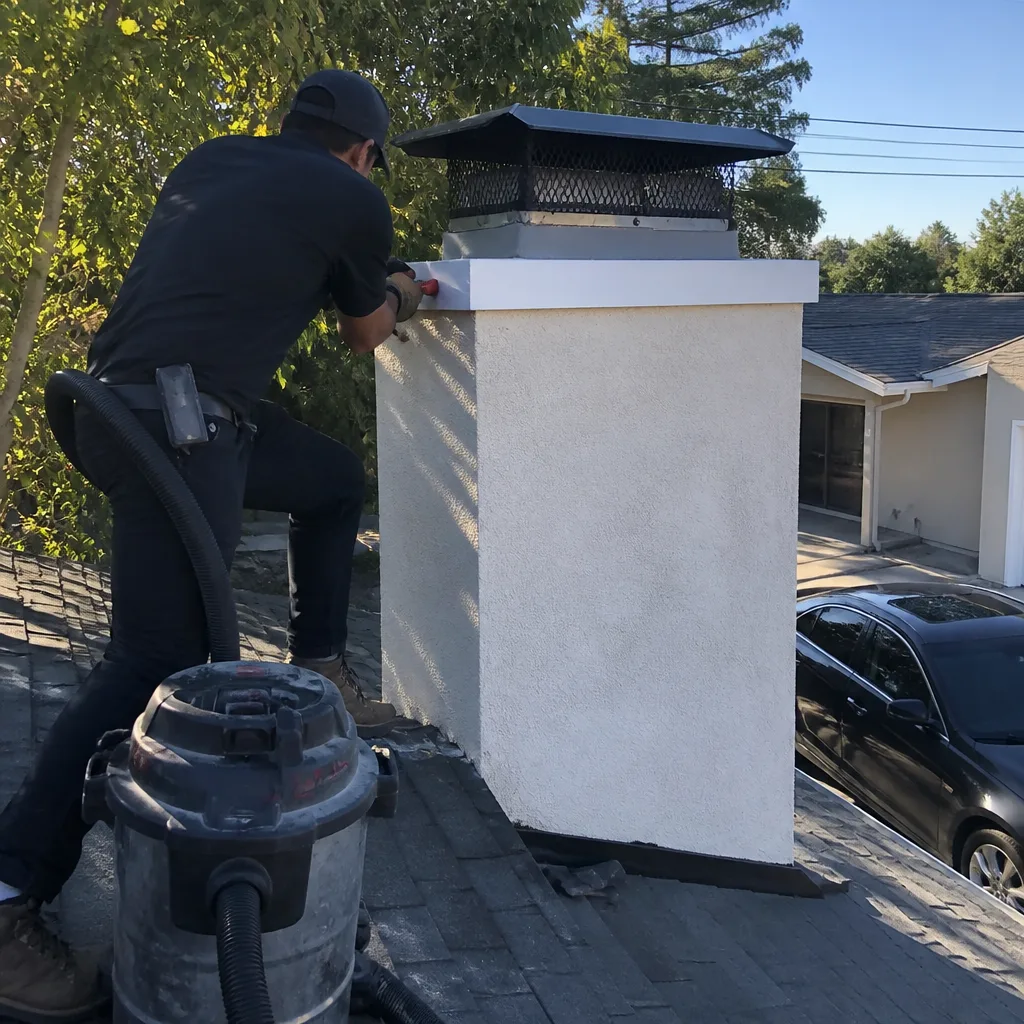 After