
Last updated November 2, 2026
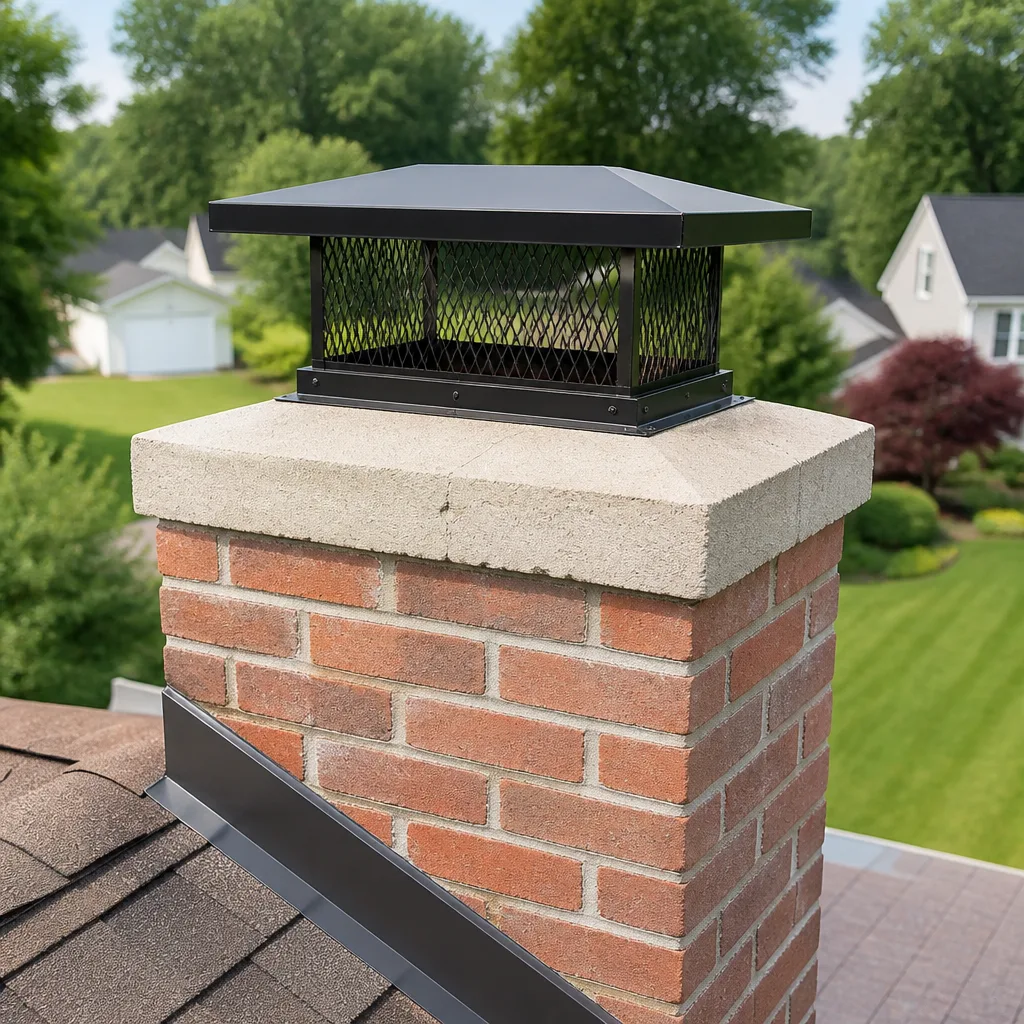 Sweep & inspection
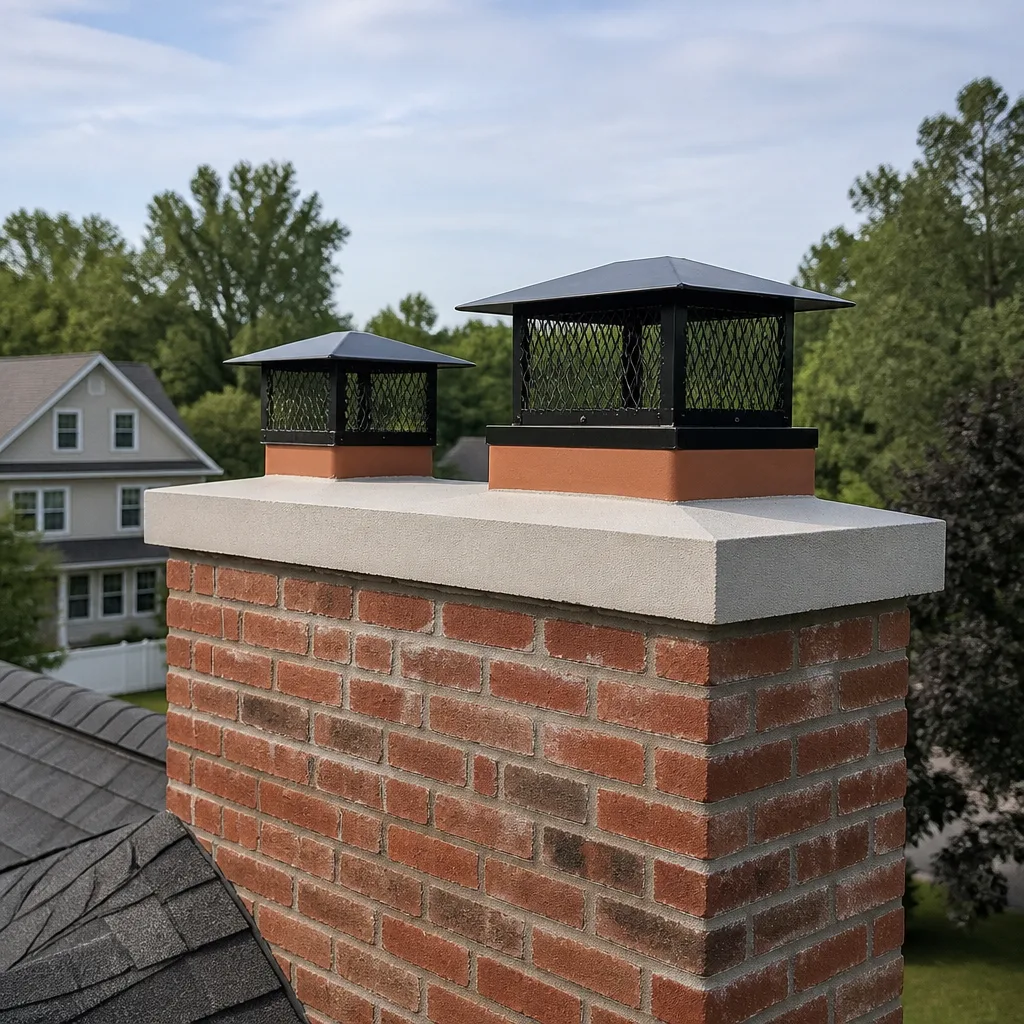 Caps & crowns
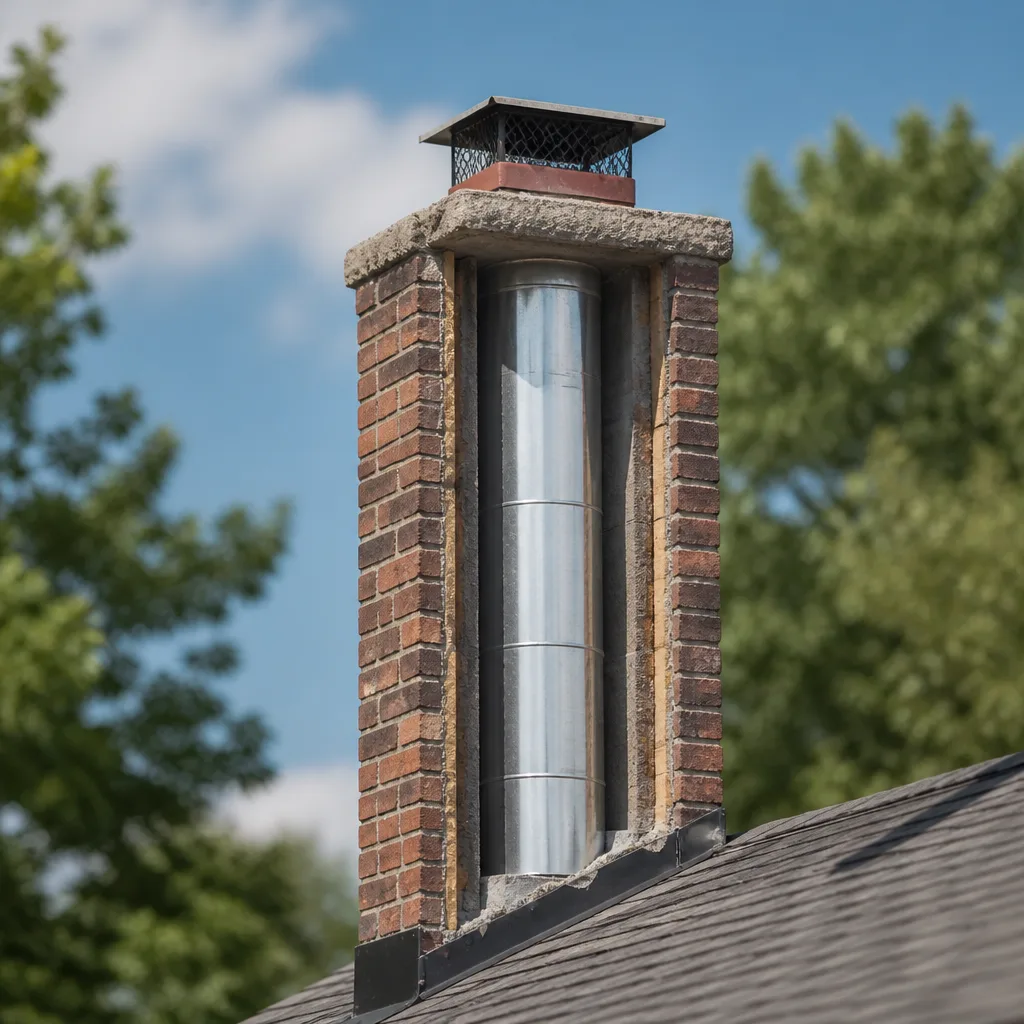 Flue relining
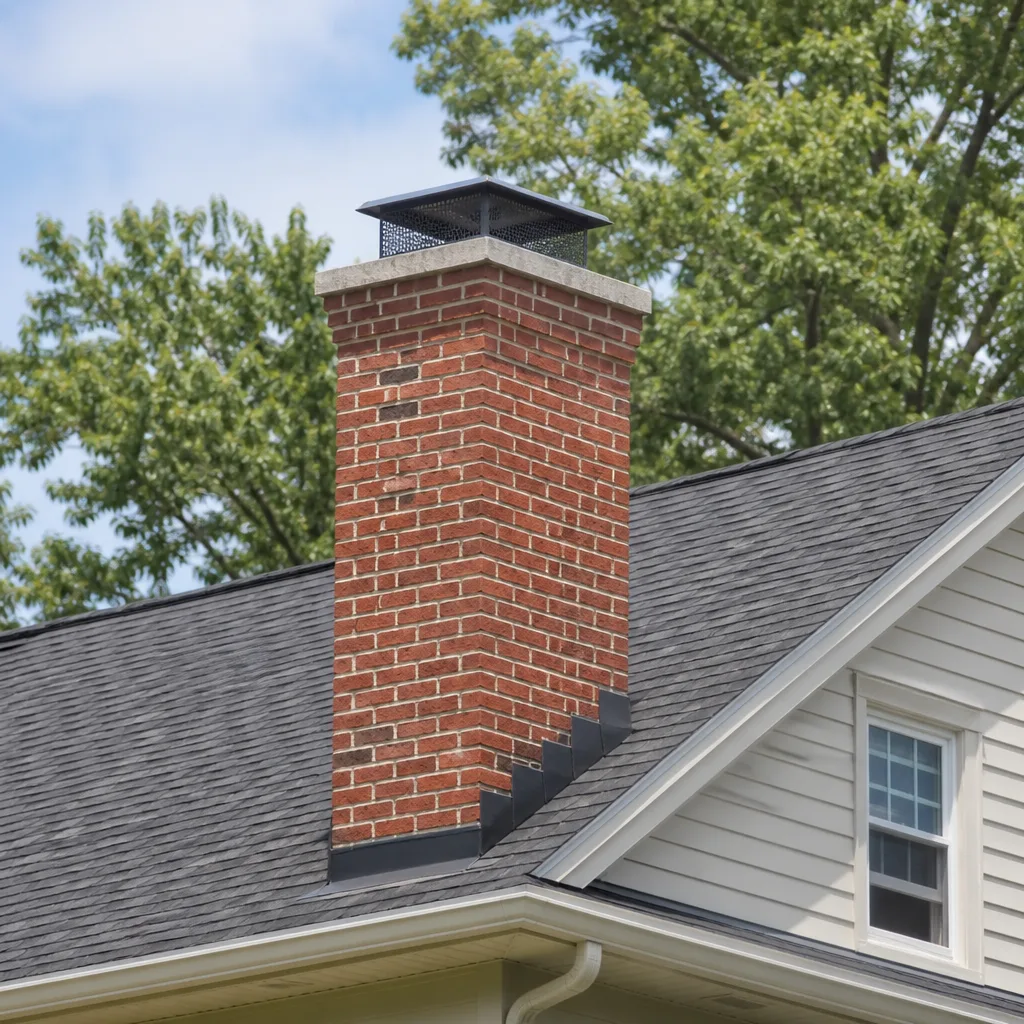 Masonry repair
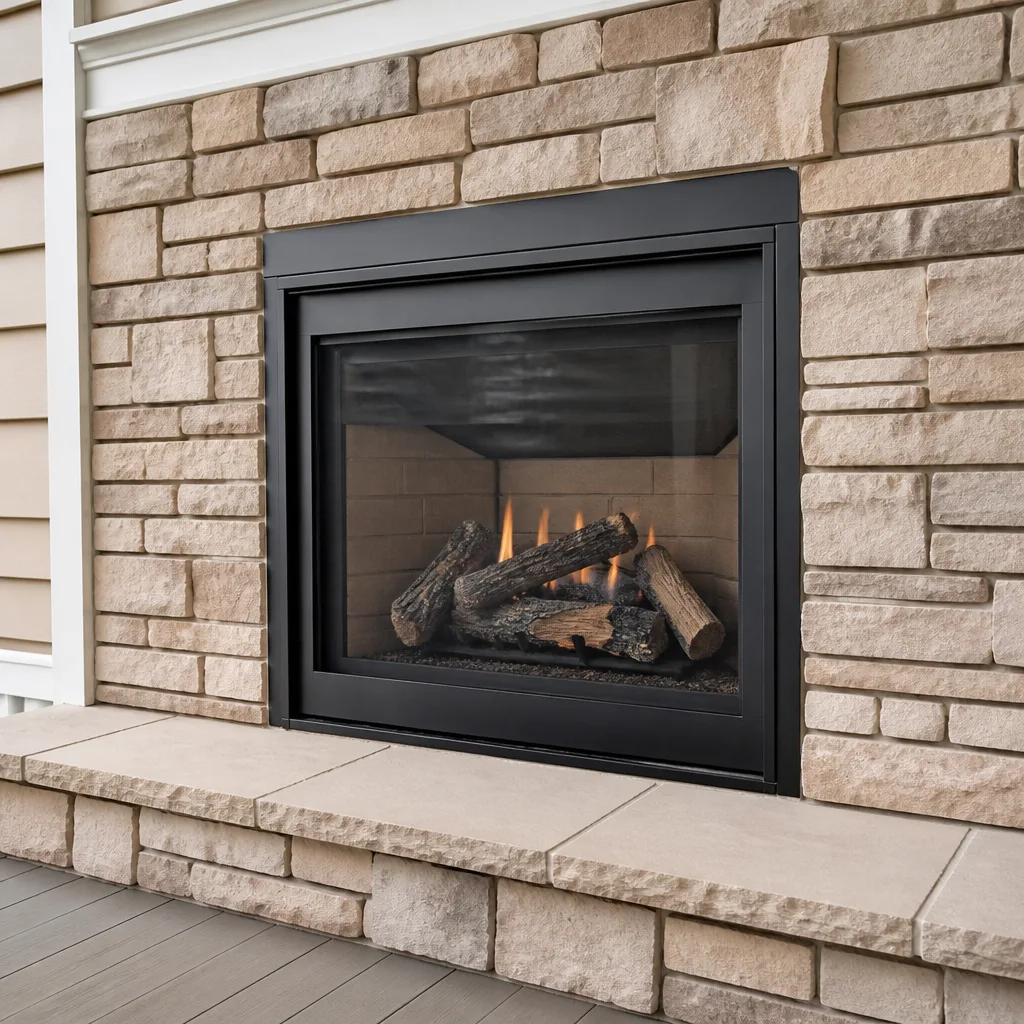 Gas fireplace service
Level 1 sweep and inspection to the NFPA 211 annual standard - flue, crown, cap, and flashing checked and photographed
Chimney sweep logs do not sweep chimneys. They loosen some creosote - which then falls where a brush and vacuum still have to collect it.
Chimney Cleaning Emergency Preparedness Guide for Reseda Homes
A chimney fire in a Reseda home often burns contained within the flue for several minutes before it breaches into the structure. During that window, homeowners who recognize the sound, a low roaring or rhythmic popping, and the smell, an intensified wood or petroleum odor, can take actions that prevent structural spread. Most homeowners don’t know what they’re listening for, and that hesitation is where emergencies get worse. This guide teaches you to read those early signals, respond correctly in the first 60 seconds, and prepare your Reseda home before an emergency ever develops.
Quick Answer
Chimney emergency preparedness in Reseda means three things: recognizing the early warning signs of a chimney fire before visible flame appears (a low roar, popping sounds, or intensified burning odors), knowing the immediate response sequence (close the damper if safely reachable, evacuate, call 911), and maintaining a pre-season inspection and cleaning schedule that prevents the creosote buildup that drives most chimney fires. Most Reseda chimney emergencies trace back to skipped cleanings or ignored draft warnings that had been present for weeks; our Chimney Cleaning Warning Signs: A Reseda Homeowner’s Reference Guide explains what to watch for.
Styles & brands we work with
- Sweep & inspection
- Caps & crowns
- Flue relining
- Masonry repair
- Gas fireplace service
Table of Contents
- Early Warning Signs of a Chimney Fire in Reseda
- Step-by-Step Response: What to Do During a Chimney Fire
- Carbon Monoxide and Chimney Systems: What Reseda Homes Get Wrong
- After the Event: Inspection, Documentation, and Insurance
- Pre-Season Preparedness Checklist for Reseda Homes
- Common Mistakes to Avoid
- When to Call a Professional
- Frequently Asked Questions
Early Warning Signs of a Chimney Fire in Reseda
Chimney fires don’t announce themselves with dramatic visible flame in most cases. The fire starts inside the flue, where creosote, the tar-like residue left by wood combustion, has accumulated to a critical thickness. What you notice first is usually auditory: a crackling or popping sound, similar to heavy rain on a roof but localized to the chimney chase. As the fire intensifies, the sound deepens into a low roar, like a freight train or jet engine passing overhead. Homeowners describe it as “a rumble you feel in your chest” more than hear. In Reseda’s older San Fernando Valley homes, where chimneys are often masonry with clay tile liners, the sound transmission through the brick is distinctive. You’ll hear it through interior walls, not just near the fireplace.
The visual indicators are subtler than expected. Before flames become visible at the top of the chimney, you may notice dense, dark smoke with an unusual thickness, often grey or brown rather than white. Embers or flaming debris exiting the chimney cap is a late-stage sign and means the fire has already reached the upper flue. Inside the home, look for discoloration on the damper, black soot deposits appearing suddenly around the firebox opening, or a faint heat shimmer in the flue when there’s no fire in the firebox. If you catch these early, you have a small window to act before the fire breaches the liner and reaches combustible framing, a transition that happens faster in Reseda homes built before the 1960s, where zero-clearance fireplaces and unlined chimneys are more common.
Odor is another early indicator many homeowners dismiss. Creosote, when heated to ignition, emits a sharp, acrid, petroleum-like smell, distinctly different from normal wood smoke. Some describe it as similar to hot asphalt or burning tar. If you smell that while the fireplace is in use, the creosote is already near its ignition point. Even when no fire is active, a strong creosote odor inside the home, especially on warm days when the chimney reverses draft, signals dangerous buildup. We’ve seen Reseda homes where the first warning was the smell of hot creosote through an upstairs bedroom, not the fireplace room itself.
What Different Chimney Fire Stages Sound and Look Like
- Stage 1 – Creosote ignition: Popping, crackling sounds, occasional small embers rising from the cap, sharp odor shift.
- Stage 2 – Sustained flue fire: Deep rumble or roar, shaking damper, dense billowing smoke, hot interior walls near the chimney, visible cracks forming in masonry.
- Stage 3 – Breach and spread: Flames visible at cap, flaming debris, smoke entering living space through cracks, combustible framing ignition. This is a structural fire, not just a chimney fire.
Step-by-Step Response: What to Do During a Chimney Fire
The first minute determines whether a chimney fire stays contained or becomes a structure fire. Here is the exact sequence professionals teach, adapted for Reseda’s housing stock.
- Close the damper immediately. The damper controls airflow into the flue. Closing it starves the fire of oxygen, which slows or stops the burn. This only works if you can reach it safely. If the area around the fireplace is already hot or smoke is entering the room, do not attempt to close it.
- Close the fireplace doors or glass front if present. This further limits oxygen supply. Most Reseda homes with prefab fireplaces have glass doors; use them. For open masonry fireplaces, do not attempt to seal the opening with combustible materials.
- Evacuate everyone from the house. Do not wait to see if the fire dies down. A chimney fire can breach into the attic or wall cavities within minutes, and those fires spread hidden from view.
- Call 911 from outside the home. Tell the dispatcher specifically: “I have an active chimney fire” and provide your full Reseda address. Say whether anyone is still inside. Describe whether you see flames at the chimney cap or smoke entering the living space.
- Do not attempt to use water on the fire. Water in a hot flue creates steam that can crack clay tile liners instantly and cause a steam explosion. It also does not reliably extinguish creosote fires. This is one of the most dangerous mistakes homeowners make.
- Wait for the fire department. Reseda is served by Los Angeles Fire Department stations with response times that vary by time of day and traffic. Remain outside until the department confirms the fire is fully extinguished and there is no hidden spread in the walls or attic.
After the fire is out, close off the fireplace area and do not use it again until a professional inspection has been completed. The heat stress from a chimney fire can crack liners, warp dampers, and damage the chimney cap even when the fire did not visibly breach. A cracked liner that goes unnoticed creates the conditions for a more dangerous second event, including carbon monoxide intrusion into the home.
Carbon Monoxide and Chimney Systems: What Reseda Homes Get Wrong
Carbon monoxide from a chimney system behaves differently than CO from a furnace or water heater, and Reseda homes with attached garages and tight weather sealing are particularly vulnerable to the distinction. A furnace produces CO through incomplete combustion at the heat exchanger. A chimney, however, becomes a CO risk through draft failure: the flue that is supposed to carry combustion gases upward instead reverses or stalls, pouring carbon monoxide back into the living space. This happens during temperature inversions, downdraft events, or when competing exhaust appliances, like bathroom fans or kitchen hoods, depressurize the home.
In the San Fernando Valley, our temperature swings create specific draft failure patterns. On winter mornings, when the house is cold and the outside air warms rapidly, a masonry chimney can remain cold and dense, refusing to draw. If the homeowner lights a fire anyway, the smoke and CO have nowhere to go but back into the room. We see this most often in Reseda homes with exterior chimney chases, where the flue is fully exposed to cool air rather than running through the home’s warm center. The fix is often not a bigger fire but a chimney preheating routine or a draft-inducing cap design. The problem is knowable and correctable, but it starts with recognizing that a smoking fireplace is not normal operation.
CO detector placement is where most Reseda homes get it wrong. The standard recommendation for fuel-burning appliances is a detector in the hallway outside sleeping areas. For chimney systems, that’s insufficient. A smoke and CO detector should also be placed in the room with the fireplace or wood stove, at least 15 feet from the appliance to avoid nuisance alarms. Detectors should be tested monthly, not just at daylight saving time changes, and replaced every 7 to 10 years. Sensor accuracy degrades, and a detector past its lifespan may fail to alarm even when CO is present. If your fireplace smokes intermittently, a working CO detector in the same room is the only thing standing between a mild draft problem and a silent poisoning event.
After the Event: Inspection, Documentation, and Insurance
Any chimney fire, intrusive downdraft event, or CO alarm activation involving the chimney should trigger a professional inspection before the fireplace is used again. This is not a precaution; it’s a condition most insurance policies effectively require. Claims for chimney fire damage proceed through an adjuster’s evaluation, and adjusters want documentation from a qualified chimney professional. We regularly work with Reseda homeowners navigating this process after a fire department response, and the sequence is almost always the same: a visual inspection by the homeowner is insufficient, a professional report citing specific findings and photographs is required, and the claim moves faster when the inspector can document the exact failure mode, creosote depth, liner condition, and whether the cap and termination were functional.
What to document before calling your insurer: the date and time of the event, the fire department report number if one was generated, photographs of any visible damage to the chimney exterior, firebox, damper, or cap, and a written timeline of when you last had the chimney swept and what has burned in the fireplace since. This last point matters. If the chimney has not been swept in years and the fire was fueled by accumulated creosote, the adjuster will likely classify the event as lack of maintenance, which affects coverage. Having a sweep history, even a partial one, changes the conversation. If you don’t have records, be honest about the gap. We can inspect and document the current state regardless, and an honest report protects you more than a vague one.
Our inspection after a chimney fire uses camera equipment to assess the flue interior from firebox to cap. We’re looking for cracked or spalled clay tiles, pitting in the mortar joints, warped metal components, and any evidence of heat transfer to surrounding framing. If liner damage is found, the repair path is determined by the extent: minor surface damage can sometimes be treated with chimney repair in Reseda using HeatShield resurfacing, a product we specify for smoke chamber and liner restoration that matches the existing system rather than replacing it wholesale. When the liner is compromised beyond resurfacing, a DuraFlex flexible liner system installed correctly becomes the permanent, code-compliant solution. Either way, the decision is based on what the camera shows, not on a generic recommendation.
Pre-Season Preparedness Checklist for Reseda Homes
Reseda’s burn season runs roughly November through March, with the heaviest use during December and January. Preparation should happen in October, before the first cold snap. Here is the Chimney Sweep Maintenance Checklist for Reseda Homeowners we recommend to every Reseda homeowner who uses a fireplace regularly.
- Schedule an annual professional chimney sweep. Creosote accumulates with every burn. The National Fire Protection Association recommends sweeping when creosote reaches 1/8 inch thickness. In practice, an annual sweep before the season is the right cadence for regular wood burners. This is the single most effective intervention against chimney fires.
- Test all smoke and CO detectors. Replace batteries, verify the units are within their lifespan, and check placement. One detector in the fireplace room within 15 feet of the appliance, one in the hallway outside sleeping areas, and ideally one on every floor.
- Inspect the chimney cap and spark arrestor. A missing or damaged cap allows rain, animals, and debris into the flue. Birds nesting in Reseda chimneys during spring can leave nests that restrict draft and ignite the following winter. Gelco and Famco cap products are what we specify when replacement is needed, matched to the flue size and termination type.
- Prepare a chimney fire suppressant. These are dry chemical flares, sometimes called Chimfex, designed to be tossed into the firebox. They work by consuming oxygen rapidly, similar to closing the damper but independent of your ability to reach it. Keep one near the fireplace, not in a cabinet across the house. It is the one tool worth having for a chimney fire, though it never replaces evacuation and a 911 call.
- Know your damper. Verify it opens and closes smoothly, and teach every adult in the home where it is and how it operates. During an emergency, hesitation at the damper wastes oxygen-starving seconds.
- Burn the right wood. Seasoned hardwood only. Unseasoned wood and softwoods produce more creosote. Reseda’s dry climate dries firewood quickly, but wood stored uncovered through winter rain absorbs moisture. Stack it off the ground, cover the top, and leave the sides open for airflow.
For a complete sweep and inspection before burn season, contact our Chimney Sweep in Reseda team to schedule. We inspect everything from firebox to cap and give you the kind of report that insurance companies and homeowners both actually use.
Common Mistakes to Avoid
- Assuming a chimney fire will be visible. The most dangerous chimney fires are contained inside the flue, hidden behind brick or chase coverings. By the time flames are visible from outside, the situation has already escalated to a structure-threatening event.
- Pouring water into a burning chimney. Water converts to steam instantly in a hot flue, and the expansion can rupture clay tile liners. Steam carries burning creosote into the living space. The fire department has specialized equipment for this; homeowners do not.
- Relighting the fireplace after a chimney fire without an inspection. Even a contained fire can crack liners and warp dampers. The next fire might find a path through those cracks into combustible framing. In Reseda’s older homes, framing is often inches from the flue.
- Ignoring repeated downdraft and smoking episodes. Many homeowners treat a smoky fireplace as a quirk of the house. Recurring smoke and draft failure is a system malfunction, often a fixable one, and it’s exactly the kind of event that carbon monoxide detection is designed to catch.
- Burning wrapping paper, cardboard, or construction lumber in the fireplace. These materials burn hot and fast, producing heavy sparks and higher creosote deposits. Construction lumber may contain pressure treatments that release hazardous gases. Only seasoned firewood belongs in the firebox.
- Relying on the house CO detector placed in a hallway. A hallway detector may not alarm until CO has reached the sleeping areas, by which time the fireplace room has been filling for hours. Placement matters, and so does detector age.
- Delaying a sweep because the fireplace “looks fine.” Creosote builds inside the flue where you cannot see it. We regularly remove several pounds of creosote from chimneys that looked clean from the firebox. Visual inspection from below does not show flue condition.
When to Call a Professional
Call a professional chimney sweep if you’ve had any chimney fire, no matter how contained it seemed. Call if your CO detector has alarmed in the fireplace room, even if the alarm stopped when you aired the house out. Call if your fireplace has begun smoking during normal use, if you can hear the low rumble of a flue fire, or if you’ve found unusual soot deposits around the damper or firebox. Call if you’ve never had the chimney inspected since buying the home; unknown chimney history is a known risk. For Chimney Cleaning Permits, Codes & Inspections in CA: What You Need to Know, ask during your appointment. Chimney Sweep Reseda offers free estimates in Reseda. Call (866) 562-0968 to schedule an inspection or discuss what you’re seeing. We explain what we find, show you the camera footage, and match the repair to the actual condition, whether it’s a sweep, a HeatShield resurfacing, or a full DuraFlex relining.
Frequently Asked Questions
A chimney fire sounds like a low rumble or crackling coming from inside the flue, often described as a freight train or heavy rain, and smells like hot tar or petroleum. You may not see any flame, because the fire is inside the chimney. If you hear or smell these indicators, close the damper if you can reach it safely and evacuate while calling 911.
A chimney used regularly during burn season should be swept once a year, typically in early fall before the first fire. If you burn more than three cords of wood per season or burn softwoods or partially seasoned wood, you may need a mid-season sweep as well. The trigger is creosote depth, not time, and a pro can measure that.
Sometimes, particularly if the damper is closed and the fire is starved of oxygen, a chimney fire will burn out before breaching the flue. That does not mean the chimney is safe. The heat stress alone can crack clay liners and create the conditions for a more dangerous fire next time. Any chimney fire should be followed by a professional inspection before further use.
Say “I have an active chimney fire” and give your full Reseda address. Tell them whether anyone is still inside, whether smoke is entering the living space, and whether flames are visible at the chimney cap. These details determine the fire department’s response priority and equipment staging.
Coverage depends on the policy and on maintenance history. Most policies cover sudden and accidental fire damage, but an adjuster will look for evidence of regular chimney maintenance, and lack of sweeping records can reduce or deny a claim. A professional inspection report after the event, with photographic documentation, is the strongest evidence you can provide.
No, not until you know why the alarm activated. Homeowners should treat a CO alarm in the fireplace room as a draft failure or flue blockage until proven otherwise. The flue may be obstructed, the damper may be malfunctioning, or the home’s negative pressure may be reversing the draft. These are diagnosable and fixable, but reusing the fireplace without addressing the cause risks repeated CO exposure.
The Bottom Line
Chimney emergencies in Reseda follow a predictable arc: creosote accumulates quietly, early warnings go unrecognized, and a fire or CO event happens to homeowners who thought they were safe. Breaking that arc requires three things. First, know what you’re listening for, the roar and popping of a flue fire, and what you’re smelling, the acrid tar of near-ignition creosote. Second, know what to do in the first 60 seconds: dampers, evacuation, and a 911 call that says “chimney fire” explicitly. Third, and most importantly, remove the fuel before it accumulates. An annual professional sweep and inspection is the difference between prevention and response. For Chimney Sweep Reseda customers, that maintenance includes a full system check: cap, damper, flue, and a camera report you can see with your own eyes. Your chimney either has a problem or it doesn’t, and you should never have to guess which. Call (866) 562-0968 for a free estimate and a straight answer.
Written by the team at Chimney Sweep Reseda, serving Reseda since 2012. Explore more guides & resources on chimney safety and maintenance.
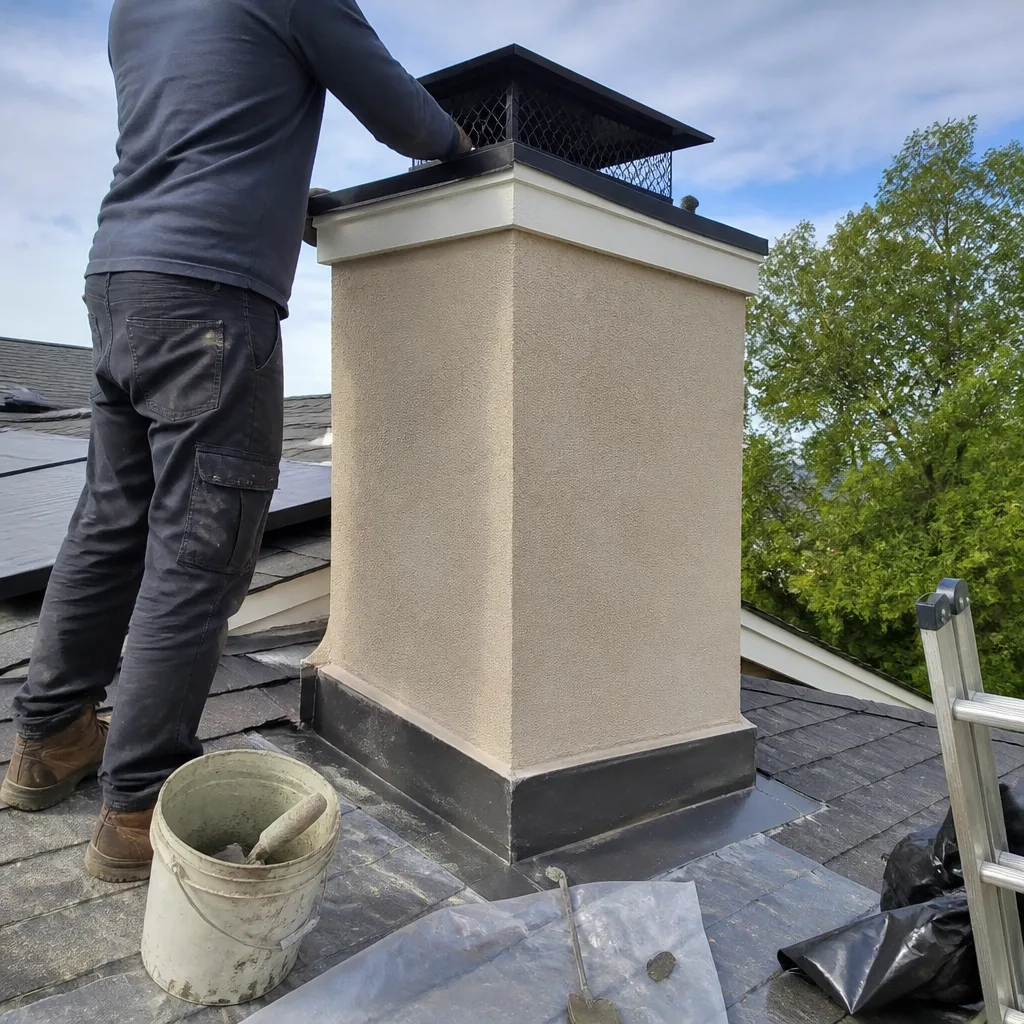
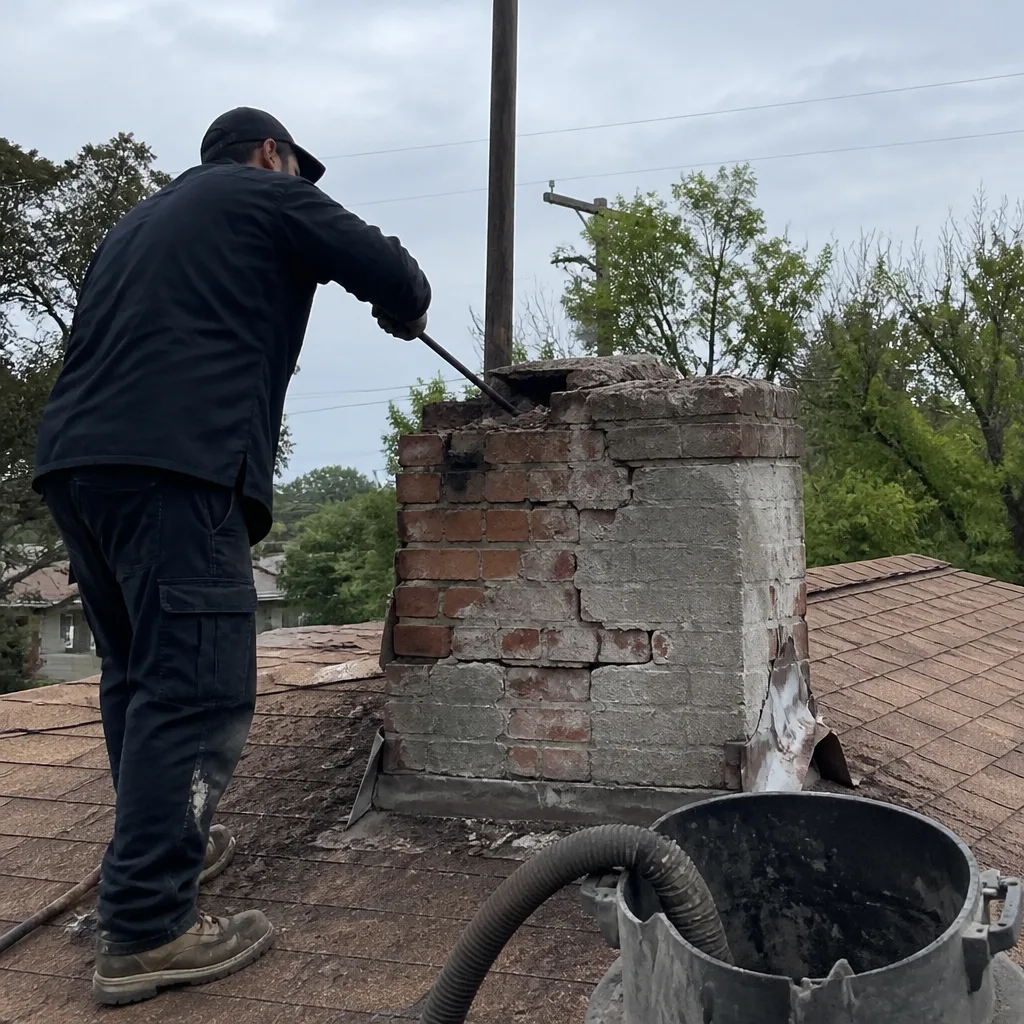
See the difference
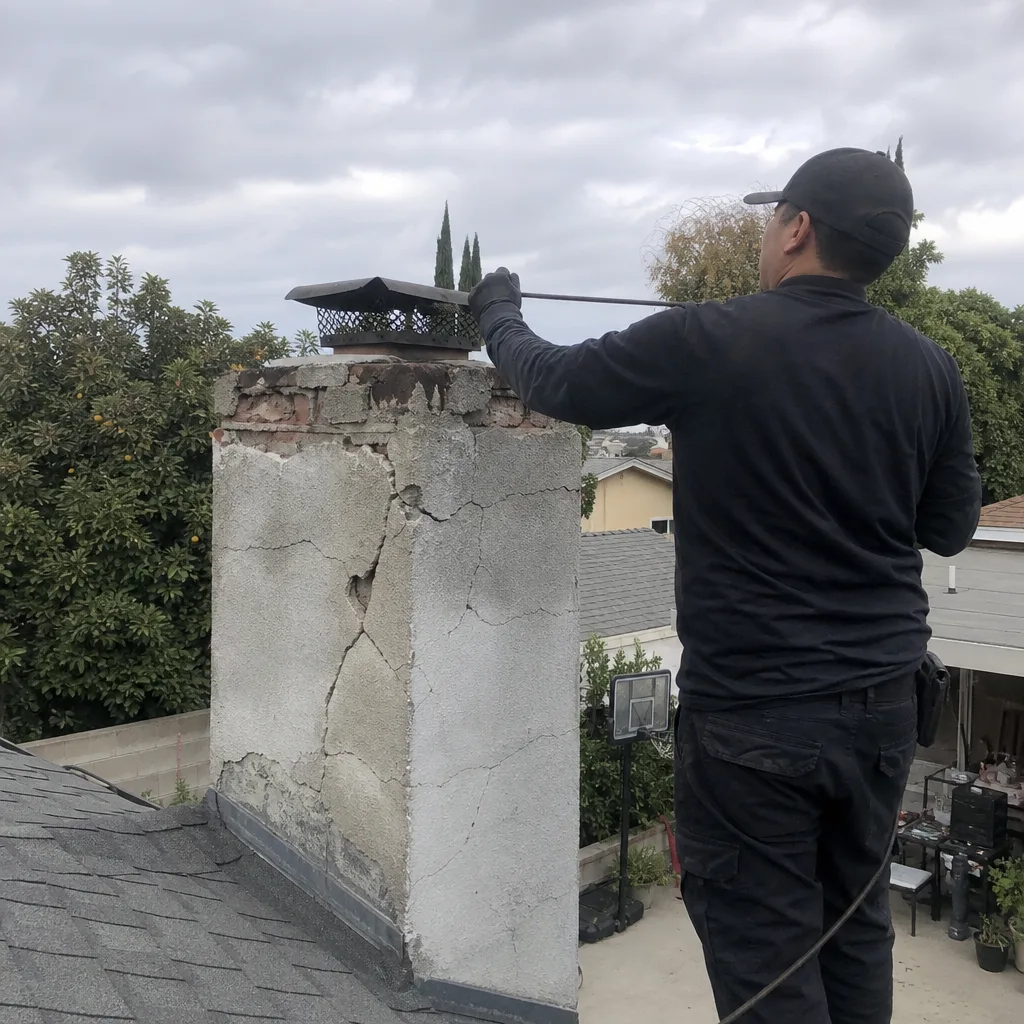 Before
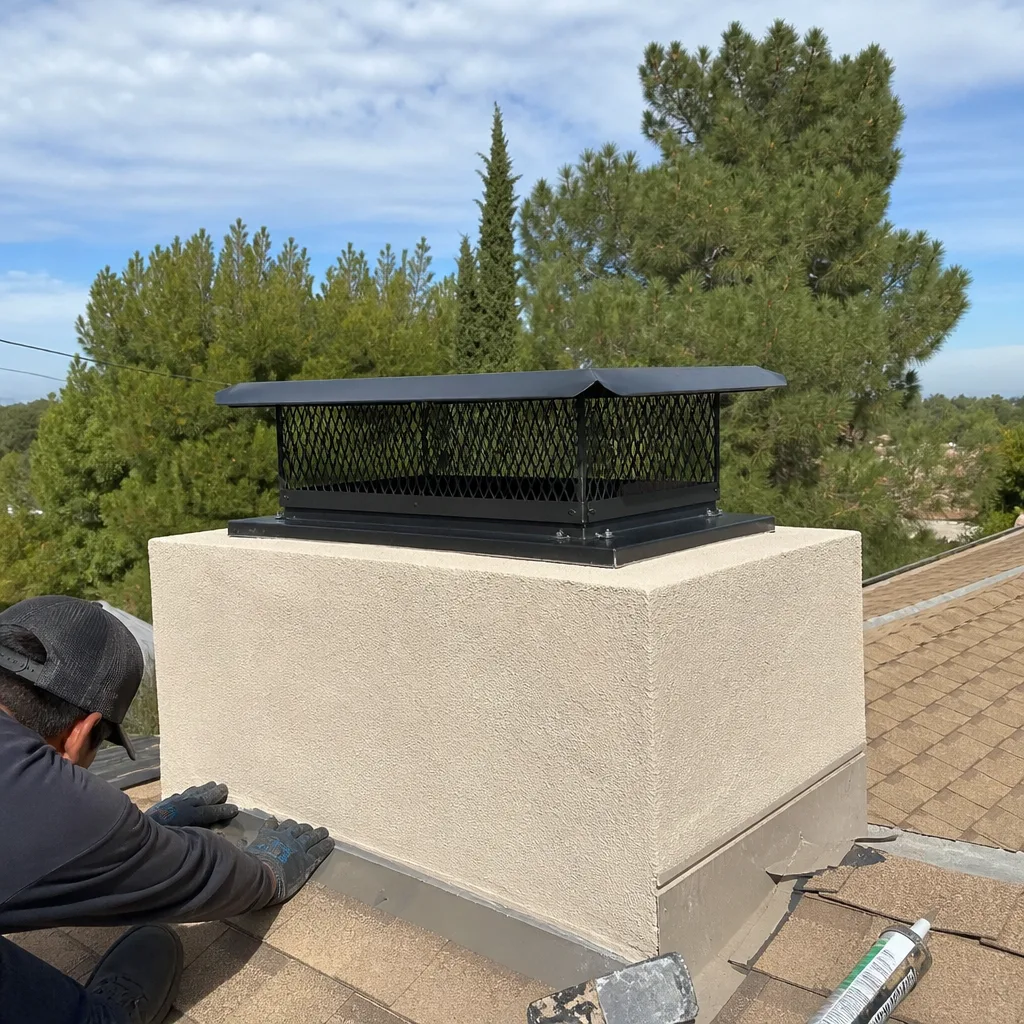 After
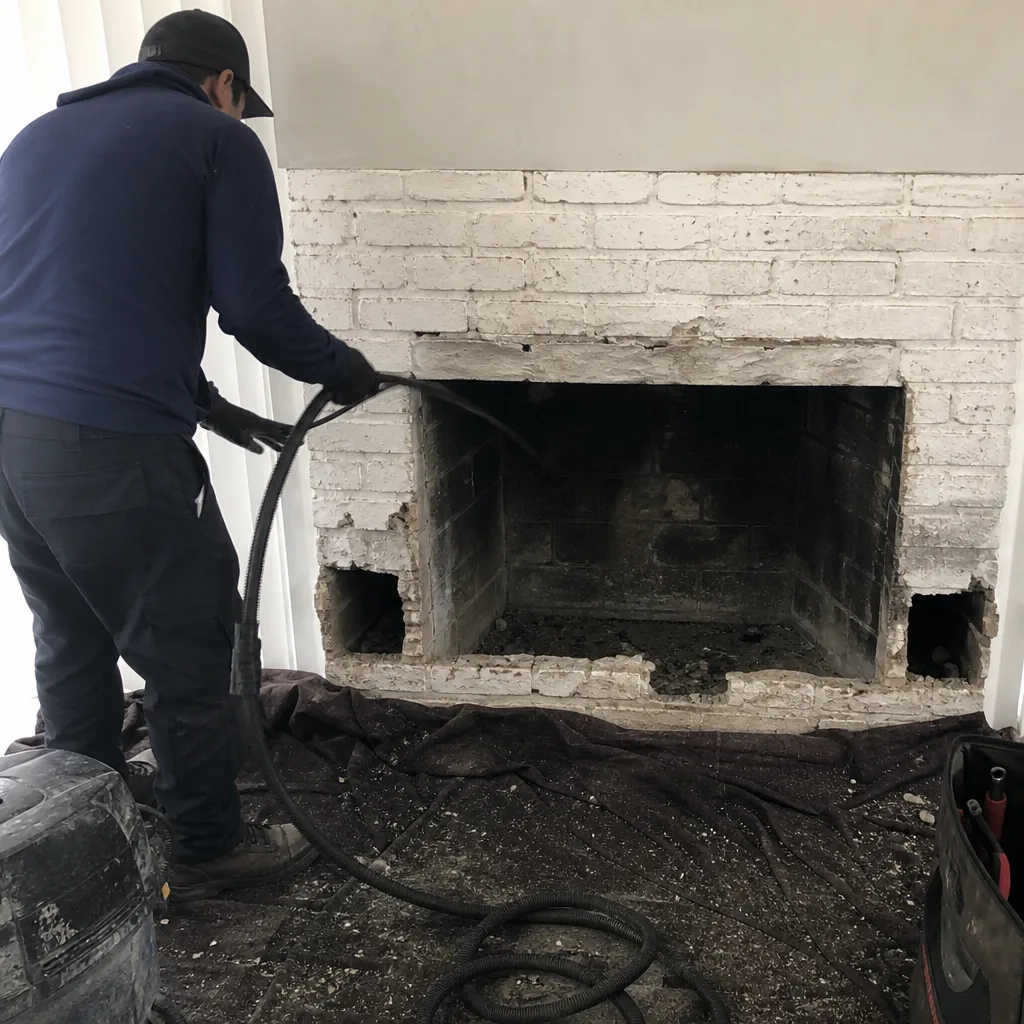 Before
 After
 Before
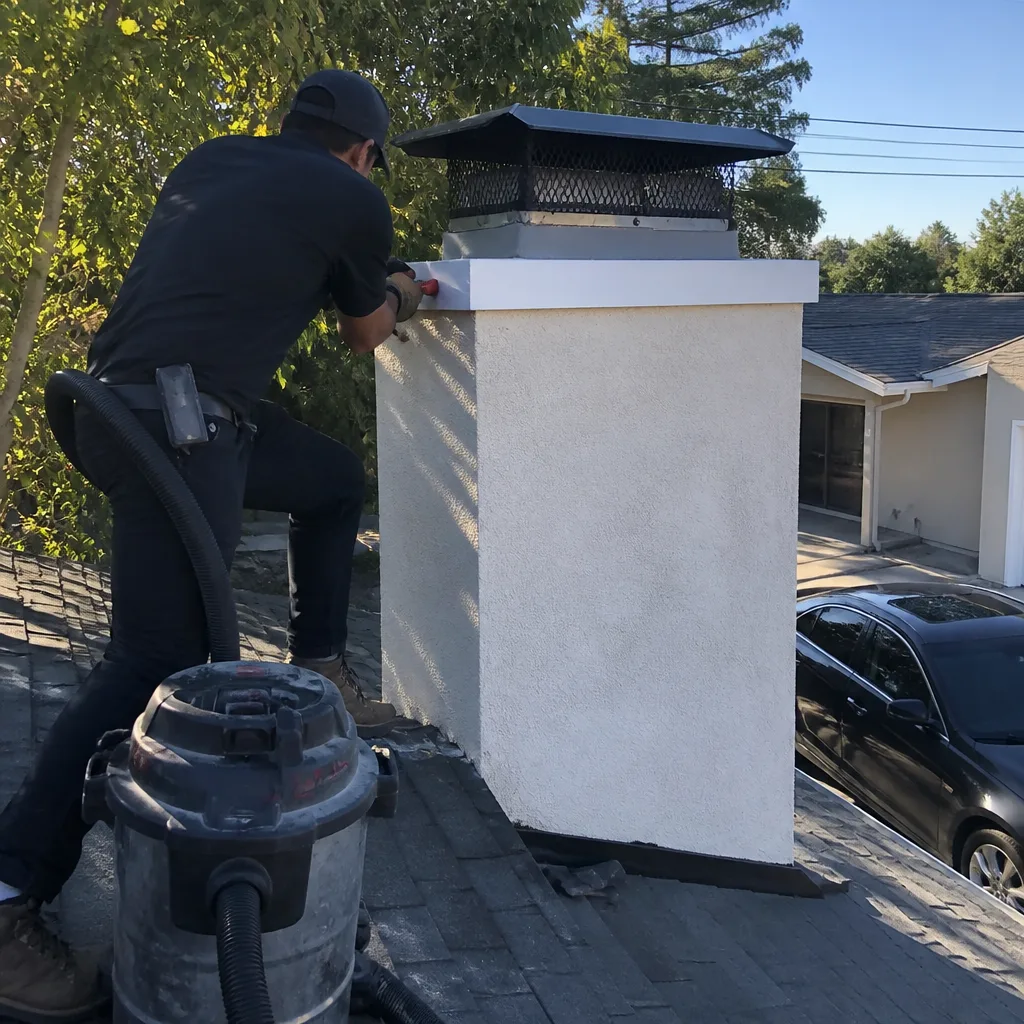 After