
Last updated November 2, 2026
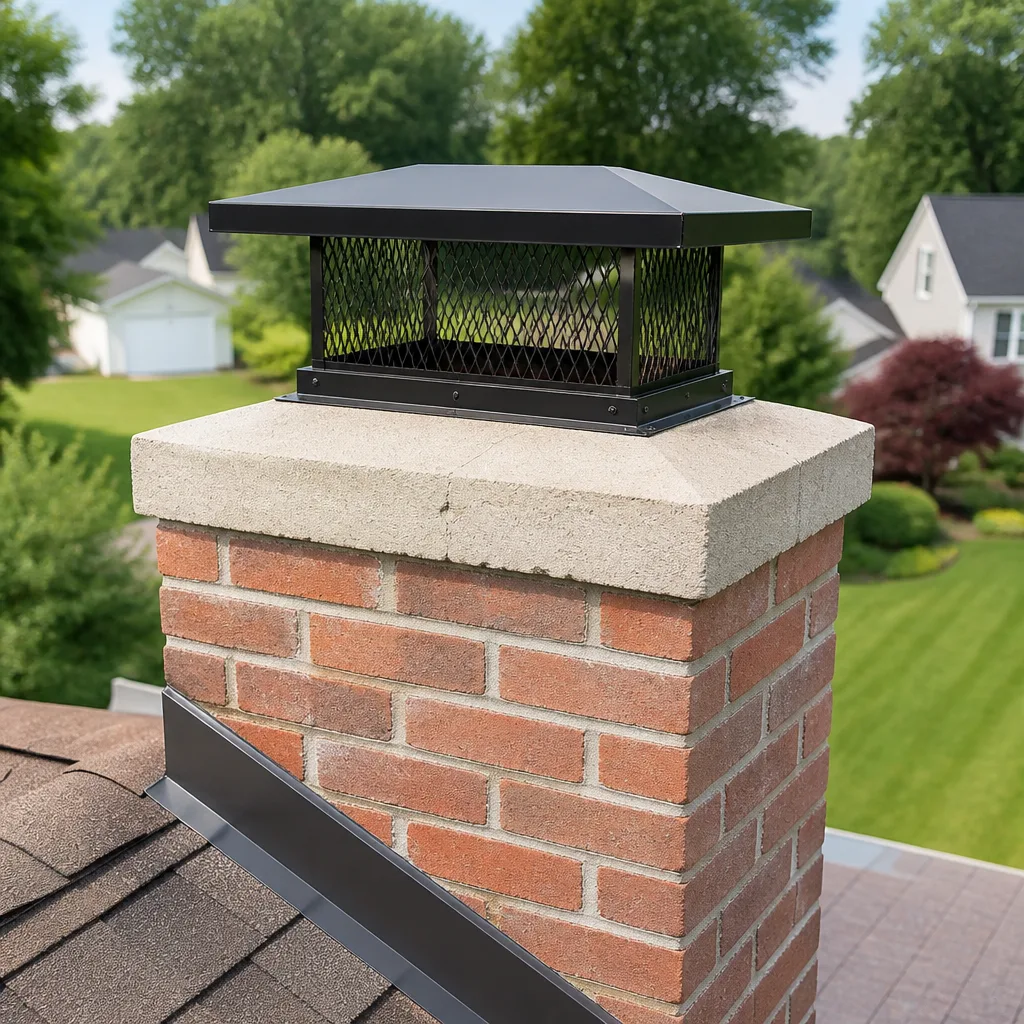 Sweep & inspection
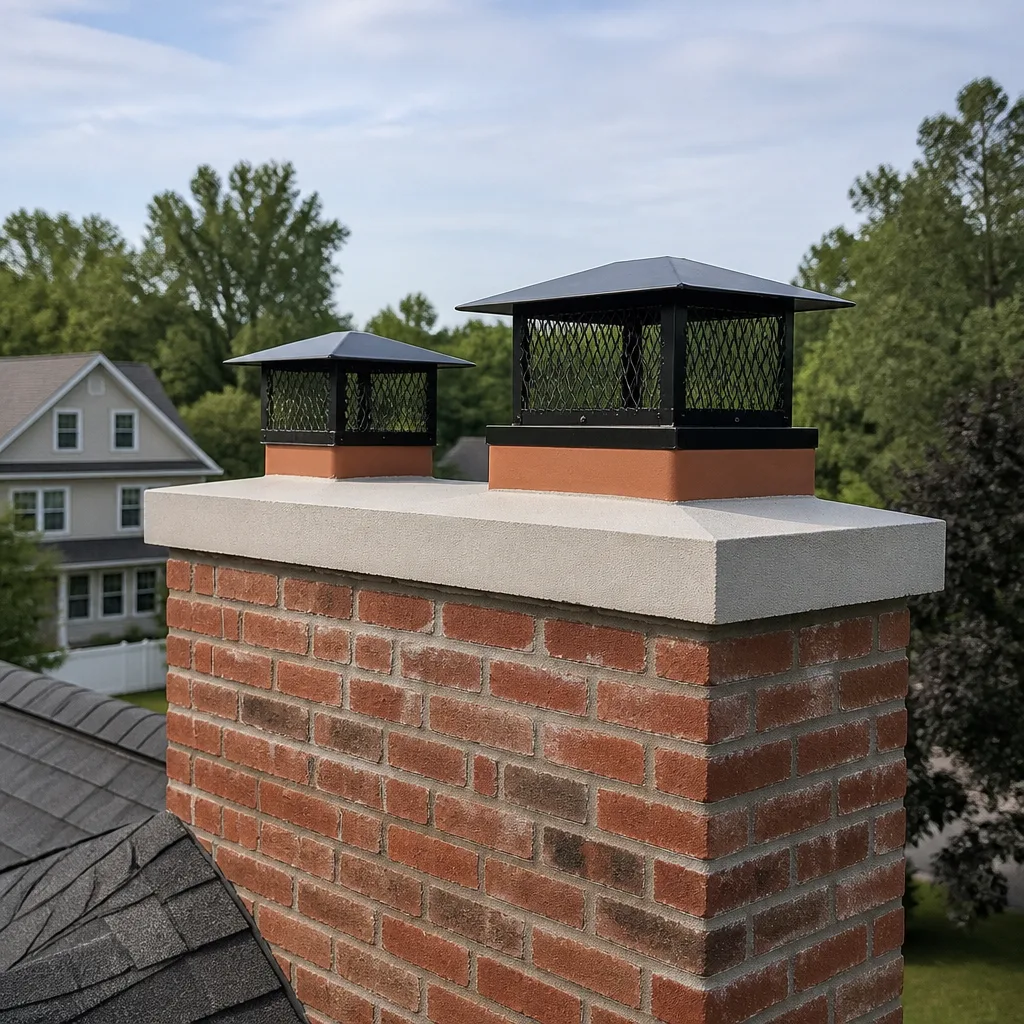 Caps & crowns
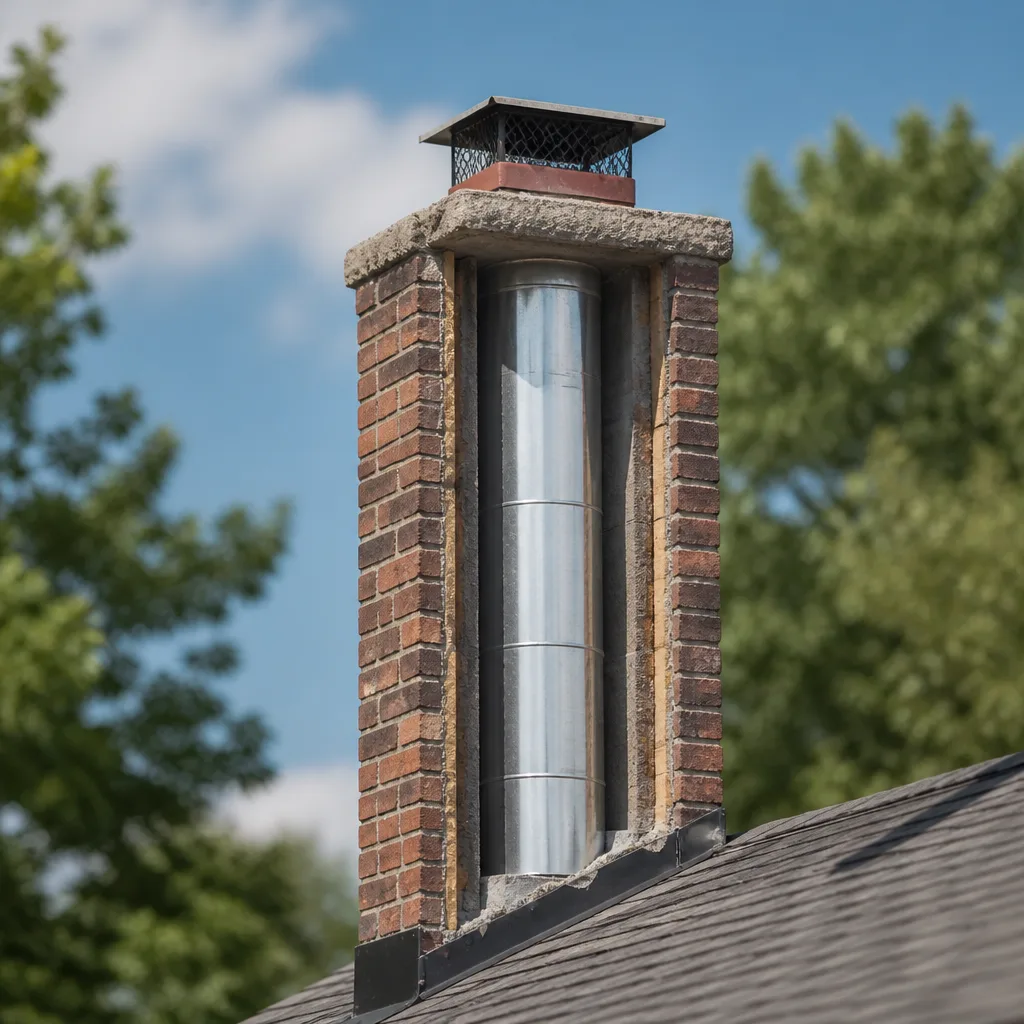 Flue relining
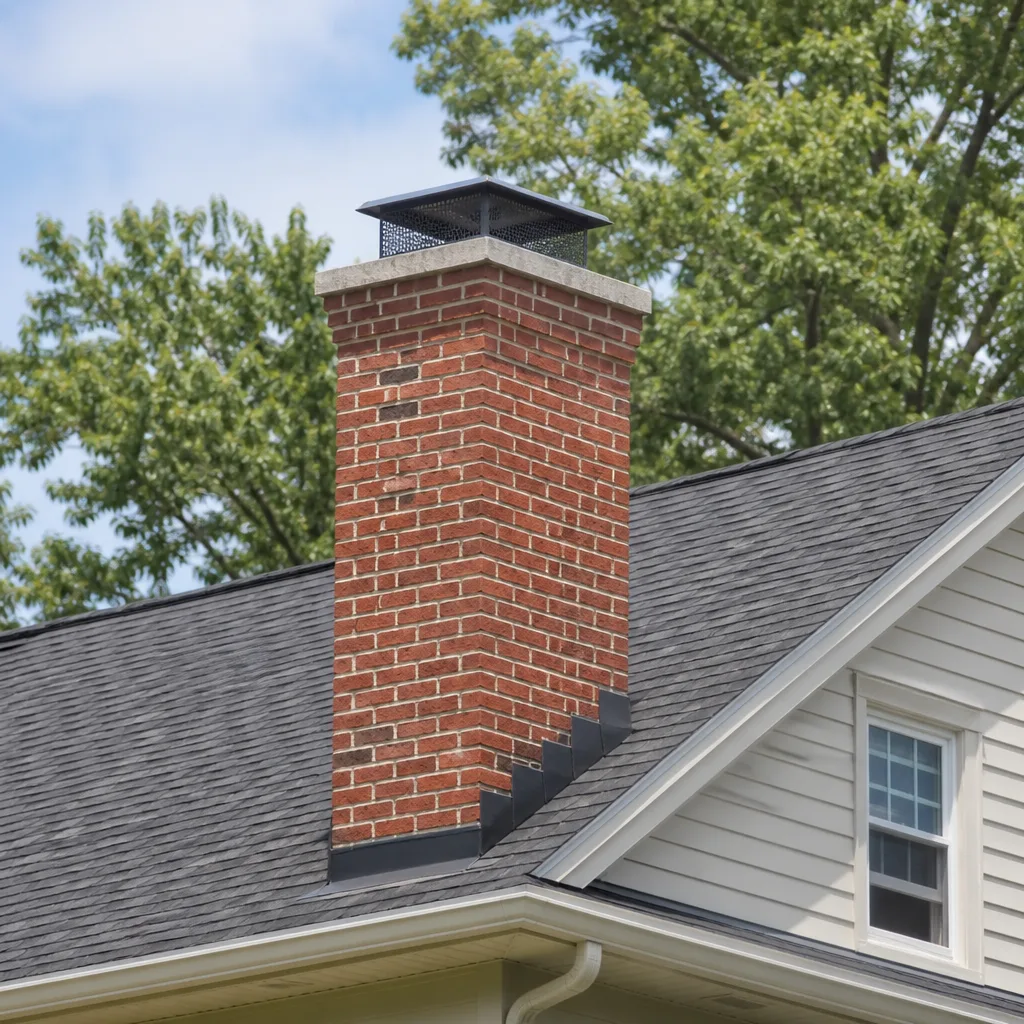 Masonry repair
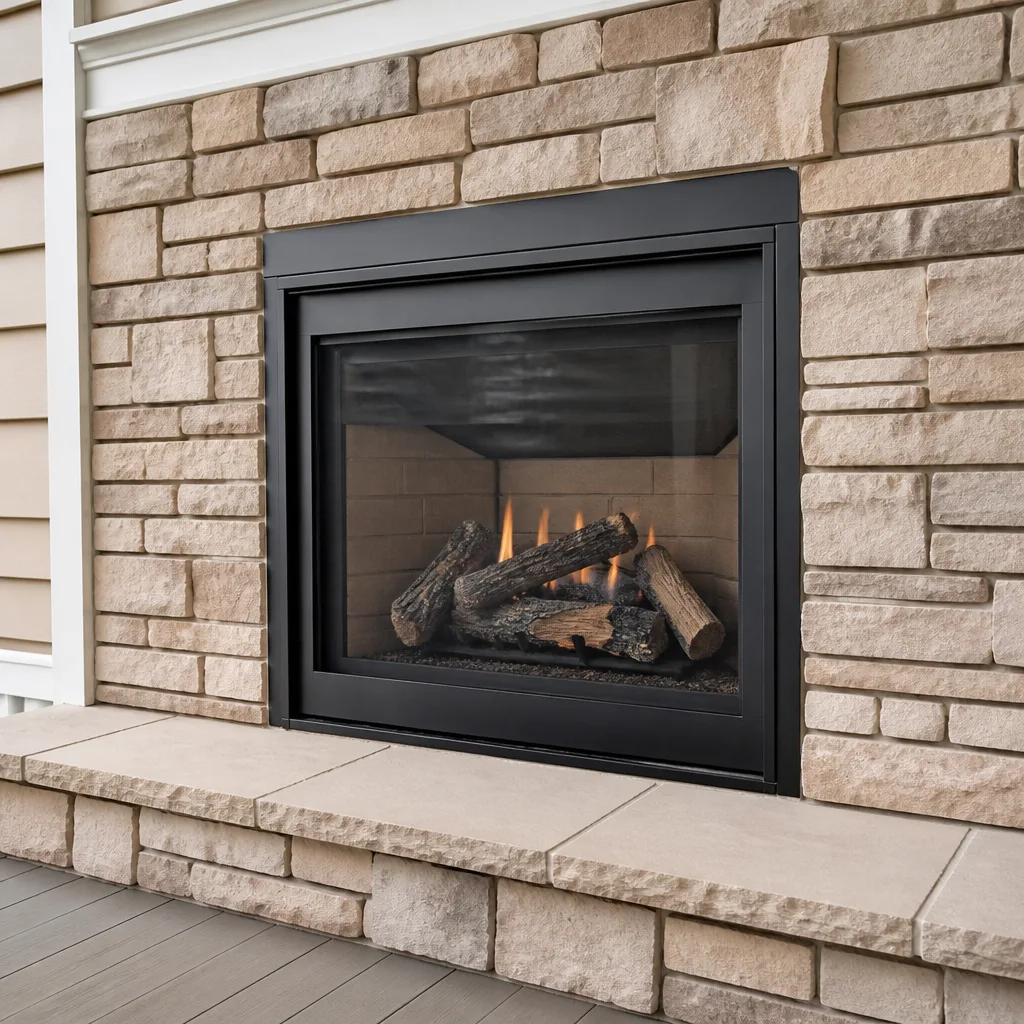 Gas fireplace service
Level 1 sweep and inspection to the NFPA 211 annual standard - flue, crown, cap, and flashing checked and photographed
Chimney sweep logs do not sweep chimneys. They loosen some creosote - which then falls where a brush and vacuum still have to collect it.
Chimney Cleaning Cost Breakdown: The Reseda Homeowner’s Reference for 2026
Every fall, Reseda homeowners get the same stack of chimney cleaning flyers: $79 specials, $99 “complete” sweeps, $149 inspections. The numbers sound like they should describe the same job. They don’t. A $79 cleaning is a brush pass through a flue. A legitimate full-service cleaning involves the smoke shelf, damper, firebox, cap, flashing, and a written condition report. The price gap isn’t markup. It’s the difference between knowing your flue is clean and knowing your chimney is actually safe. By the time you finish this guide, you’ll understand exactly what each price tier includes, what’s routinely omitted from cheap quotes, and how to evaluate any Reseda chimney quote against what your specific system actually needs. For Chimney Cleaning Warning Signs: A Reseda Homeowner’s Reference Guide, see our companion resource.
Quick Answer
A legitimate full-service chimney cleaning in Reseda costs between $189 and $325 in 2026. Budget cleanings at $79 to $129 cover only a basic flue brush pass and often exclude smoke shelf cleaning, damper inspection, firebox assessment, and written documentation. A Level 2 inspection (recommended before buying a home in Reseda or after seismic events) adds $150 to $350.
Styles & brands we work with
- Sweep & inspection
- Caps & crowns
- Flue relining
- Masonry repair
- Gas fireplace service
Table of Contents
- What a Full-Service Chimney Cleaning Actually Includes
- Realistic 2026 Price Ranges for Reseda
- Level 1 vs. Level 2 Inspections: When the Upgrade Makes Sense
- Repair Costs: Why Material Choice Changes the Price
- Legitimate Findings vs. Manufactured Urgency
- The Real Cost of Deferring Repairs
- Common Mistakes to Avoid
- When to Call a Professional
- Frequently Asked Questions
What a Full-Service Chimney Cleaning Actually Includes
A proper chimney cleaning is a system assessment that happens to include a sweep. The brush work removes creosote and soot from the flue walls, but the value comes from everything the technician checks while the flue is exposed and accessible. Here’s what a legitimate full-service cleaning in Reseda covers, item by item.
Flue brushing. A properly sized wire or poly brush is run the full length of the flue, from firebox to termination. The technician should match the brush to your flue dimensions, not grab whatever’s on the truck. Undersized brushes leave creosote streaks that become fuel for the next chimney fire.
Smoke shelf cleaning. The smoke shelf sits behind the damper and catches debris that falls down the flue. It’s the most commonly skipped step in budget cleanings because it requires the technician to work blind above the damper. Debris accumulation here blocks proper draft and contributes to smoke backing into the living room on windy days.
Damper inspection and operation. A technician should open and close the damper, check the seal, and note whether it seats properly. A damper that won’t close completely lets conditioned air escape up the chimney year-round, which shows up on your DWP bill whether or not you ever light a fire.
Firebox assessment. The firebox walls and floor get checked for cracks, spalling brick, and deteriorated mortar joints. This is where a technician spots early-stage firebox repair needs that are far cheaper to address now than next year.
Cap and crown inspection. Outside, on the roof, the technician checks the chimney cap for damage and the crown for cracks. A cracked crown lets water into the masonry, which is the single biggest driver of expensive chimney repairs in the San Fernando Valley. Freeze-thaw damage isn’t the concern here that it is in the Midwest, but our winter rains find every crack.
Flashing check. The metal flashing where the chimney meets the roof gets inspected for gaps and lifted sections. Reseda’s flat-roofed and low-slope homes are particularly vulnerable to flashing failures after Santa Ana wind events.
Written report. You should leave the appointment with documentation of what was cleaned, what was inspected, and what – if anything – needs attention. A verbal “looks fine” is not a report. If a technician finds something worth fixing, the report should include a description specific enough that you can get a second opinion without redoing the whole inspection.
That’s the full scope. A $79 special is the first item on this list and nothing else. When you book a budget cleaning, you’re not getting the other six items at a discount. You’re not getting them at all.
Realistic 2026 Price Ranges for Reseda
Chimney cleaning prices in Los Angeles have drifted upward over the past three years, driven by labor costs and insurance premiums for roof work. Here’s what Reseda homeowners should expect to see on 2026 quotes.
Basic brush-only cleaning: $79 to $129. Flue brushing only. No smoke shelf, no damper check, no firebox assessment, no cap inspection, no written report. This service exists to get a technician on the property. It’s not inherently dishonest, but you should understand what you’re buying: access, not an assessment.
Standard full-service cleaning: $189 to $260. Everything listed in the previous section: flue brushing, smoke shelf, damper, firebox, cap, flashing check, and a basic written summary. This is the tier most Reseda homeowners should book for an annual maintenance cleaning.
Full-service cleaning with Level 1 inspection: $250 to $325. The cleaning plus a structured Level 1 inspection conforming to NFPA 211 standards. The difference is formality and documentation: a Level 1 inspection follows a defined checklist and produces a report suitable for insurance or home-sale purposes.
Level 2 inspection add-on: $150 to $350, depending on access. A Level 2 inspection adds video scanning of the flue interior. This is the relevant step when selling or buying a home in Reseda, after an earthquake, after a chimney fire, or when the flue hasn’t been used in years. For Chimney Cleaning Emergency Preparedness Guide for Reseda Homes, review our emergency planning resource. The camera sees what a brush pass can’t: cracked flue tiles, deteriorated mortar joints, and hidden blockages.
Dryer vent cleaning: $129 to $189. While technically a separate service, most Reseda households with a fireplace also have a dryer. Dryer vent cleaning in Reseda addresses the second-leading cause of residential venting fires, and it’s worth asking your sweep whether they can handle both in one visit – it saves a second trip charge.
These ranges assume a single-flue masonry chimney on a one-story home, which describes most Reseda housing stock. Multi-story homes, steep roof pitches, and chimneys with accessibility issues push toward the top of each range. If a quote comes in dramatically below or above these ranges, ask what’s included, not just what it costs.
Level 1 vs. Level 2 Inspections: When the Upgrade Makes Sense
The difference between Level 1 and Level 2 comes down to how thoroughly the interior of the flue gets examined. A Level 1 inspection is visual-only: the technician looks at accessible portions of the chimney interior and exterior during a routine cleaning. A Level 2 inspection adds video scanning of the flue interior with a camera designed for the purpose.
The cost difference, $150 to $350, buys you eyes on the parts of the chimney you cannot otherwise see: the middle stretches of flue liner, the hidden mortar joints, and any areas where the liner has separated or cracked. For a chimney that’s cleaned annually and used normally, a Level 1 is typically sufficient. But several Reseda-specific scenarios justify the upgrade:
- You’re buying or selling a home. Real estate transactions in the San Fernando Valley often trigger Level 2 requirements from lenders and insurers. A video scan documents the flue condition at the time of sale, which protects both parties from discovering a $4,000 relining job six months after closing.
- After a significant earthquake. The 1994 Northridge quake taught every Reseda homeowner what seismic forces do to masonry. The 4.4 Ridgecrest aftershocks and smaller events since then are reminders that flue tiles crack under lateral movement. A Level 2 visual scan catches this damage before you light the first fire of the season.
- After Santa Ana wind events. Sustained high winds stress chimney caps, flashing, and masonry. If you’ve had a cap blow off or flashing tear loose, a Level 2 inspection after the repair confirms nothing else was compromised.
- After a chimney fire. Any chimney fire, even a small one that burned itself out, changes the flue’s internal structure. Creosote fires can crack tiles and compromise the liner. A Level 2 inspection is the only way to confirm the flue is still sound.
- The chimney hasn’t been used in more than two years. Animals, debris, and hidden deterioration accumulate in unused flues. Before you light a fire in a chimney that’s been dormant, you want the full picture.
For annual maintenance on a regularly used, well-maintained chimney, a Level 2 is overkill. But when any of the above applies, the $150 to $350 is cheap insurance against a chimney fire or a carbon monoxide event you cannot see coming.
Repair Costs: Why Material Choice Changes the Price
Chimney repair quotes in Reseda swing wildly, and the biggest variable isn’t labor. It’s material. Here’s what we mean, using the three most common liner repair approaches as an example.
Generic refractory cement. This is the entry-level option: a parge coat applied to the flue interior, often by hand or with basic tooling. It’s available from any masonry supplier and costs the least, which is why it shows up in budget repair quotes. The problem is durability. Generic refractory cement handles moderate heat but breaks down faster under repeated heating cycles, especially in chimneys that see heavy fireplace use during the Valley’s chilly winter evenings. You’ll pay less now and likely revisit the repair in three to five years.
HeatShield resurfacing. HeatShield is a ceramic-modified resurfacing system applied in layers to restore the flue’s internal surface without a full relining. It’s a professional-grade product specified by chimney technicians, not a DIY-store alternative. The material cost runs higher than generic cement, and installation requires a certified applicator. What you’re buying is a repair system designed to withstand repeated thermal cycling and to bond with the existing flue structure rather than simply coating it. In our experience, HeatShield is the right recommendation when the existing flue tiles are intact but showing surface deterioration, mortar joint erosion, or minor cracking. The repair lands in the $1,200 to $2,500 range for a typical single-flue Reseda chimney, depending on flue length and access.
DuraFlex full relining. When the existing flue tiles are cracked, separated, or the flue has shifted, resurfacing isn’t enough. The correct fix is a full reline with a flexible stainless steel liner system. DuraFlex is the product we specify because it’s a permanent, code-compliant solution that gets installed once and lasts for decades. A full DuraFlex reline on a typical Reseda home runs $3,500 to $6,500. It’s the biggest number you’ll see on a chimney quote, and it’s the number you hope a video inspection never forces you to confront. But if the flue needs it, there’s no legitimate shortcut.
Some companies also offer Sairset, a high-temperature refractory mortar commonly used for smoke chamber parging and firebox repair. Sairset sits between generic cement and HeatShield on cost and durability. It’s a legitimate product for specific applications, particularly firebox repairs where a dense, heat-resistant mortar is required.
The takeaway: when two chimney companies quote wildly different prices for what sounds like the same repair, ask what material each is specifying. “Flue repair” is not a product. The material determines what you’re actually buying.
Legitimate Findings vs. Manufactured Urgency
Most chimney technicians in the San Fernando Valley are honest tradespeople doing careful work. A minority are not. Here’s how to tell the difference between a genuine finding and a coaching upsell when a technician recommends additional work during a cleaning visit.
Legitimate finding: a cracked crown with photographic evidence. A technician should be able to show you the crack – on the roof, from a photo, or both. Crown cracks are real, they’re common on Reseda homes built between 1950 and 1980, and they let water into the masonry. If the technician shows you the crack and explains what it means, that’s a finding.
Manufactured urgency: “There’s creosote in your flue. You need a full reline.” Creosote is why you booked a cleaning. Its presence is not, by itself, evidence of liner failure. If a technician jumps from “there’s creosote” to “you need a $5,000 reline” without showing you cracked tiles on camera, pause. Get a second opinion.
Legitimate finding: a damper that won’t fully close, demonstrated in front of you. If the technician opens and closes the damper and shows you the gap, that’s observable. A damper replacement runs $300 to $800, and it’s a reasonable recommendation if the current one isn’t sealing.
Manufactured urgency: “Your flashing looks old.” Flashing, like everything on a roof, ages. “Looks old” is an observation. “Is currently leaking” is a finding. If a technician can’t show you evidence of an active problem, you’re not obligated to fix it that day.
The honest-box test: a legitimate technician will tell you what they found, explain what it means, show you evidence, and give you time to decide. A coaching technician will create a sense that failing to act immediately is dangerous or will cost dramatically more tomorrow. Trust the technician who hands you a written report and says “this can wait until next season” when it can. That phrase, more than anything else, tells you you’re working with someone who isn’t selling you a problem.
The Real Cost of Deferring Repairs
We’re not going to tell you every finding needs immediate attention. Some findings genuinely can wait. But there’s a category of deferred maintenance that costs Reseda homeowners far more than the repair itself, often by an order of magnitude. Here’s the math.
A $400 crown seal now vs. a $4,000 masonry rebuild later. A cracked crown lets water into the chimney structure. That water migrates through the masonry, erodes mortar joints, and – over several rainy seasons – compromises the structural integrity of the chimney. Resealing a crown costs a few hundred dollars. Rebuilding the top courses of a water-damaged chimney costs thousands. The window between “crown crack” and “masonry failure” is usually two to four years in our climate. If your sweep flags a crown crack and you defer it, you’re betting against your own chimney.
A $1,800 HeatShield restoration now vs. a $5,000 reline later. When flue deterioration is caught at the surface-cracking stage, HeatShield resurfacing restores the flue’s integrity for a fraction of the cost of a full reline. But once those cracks extend through the tile and the liner begins separating, resurfacing is no longer an option. The repair upgrades from $1,800 to $5,000, and the timeline is not decades – it’s often a handful of seasons.
A $400 flashing repair now vs. $3,000 in ceiling and roof damage later. Flashing that lifts during Santa Ana winds lets water into the roof deck during winter rains. By the time the water shows up as a ceiling stain inside your Reseda living room, the flashing repair has become a roofing repair. A $400 flashing fix during a chimney visit is irritating. A $3,000 ceiling and deck repair is worse.
We’re not saying every flagged item needs to be fixed that day. A legitimate technician will tell you when something can wait. But the deferral decision carries a cost curve that’s worth understanding before you say “maybe next year.”
If you’re evaluating repair recommendations, Chimney Repair in Reseda covers the repair options we’ve discussed here in more depth, including what to ask any contractor before scheduling work.
Common Mistakes to Avoid
- Booking the cheapest quote without asking what’s included. A $79 brush pass is not a chimney cleaning in any meaningful sense. If the price is dramatically below the $189 floor, ask what’s being omitted before you book.
- Assuming one cleaning a year is optional if you rarely use the fireplace. Unused chimneys accumulate debris, animal nests, and moisture damage. The frequency depends on use, but “I never light fires” is not a reason to skip inspections.
- Accepting a verbal “everything looks good” as documentation. If it isn’t written down, it didn’t happen. Always get a written report, even for a routine cleaning.
- Approving a reline without asking to see the video. A $5,000 repair recommendation should come with footage showing you why. If the technician can’t show you the cracked tiles, get a second opinion.
- Ignoring a flashing recommendation because “the roof isn’t leaking yet.” By the time a flashing failure shows up inside the house, the repair is exponentially more expensive. Roof problems are cheaper to prevent than to repair.
- Skipping the dryer vent because “that’s a different contractor.” Lint-clogged dryer vents cause thousands of residential fires annually. Chimney Sweep in Reseda can address both venting systems in one visit, which is both cheaper and simpler than managing two separate contractors.
- Waiting until October to schedule a cleaning. Every Reseda chimney company books out weeks ahead during the fall rush. Schedule your cleaning in August or September and you’ll get your choice of appointment times.
When to Call a Professional
If you notice smoke backing into the room, a persistent odor even when the fireplace is cold, visible creosote buildup (glossy, tar-like residue) in the firebox, or water stains on the ceiling near the chimney, call a professional. These are not normal conditions and they don’t resolve themselves. If you’ve purchased a home in Reseda with an existing fireplace and no record of the last chimney service, schedule a Level 2 inspection before you light the first fire. If you’ve experienced a chimney fire, even a small one, do not use the fireplace until a professional has inspected the flue. Chimney Sweep Reseda offers free estimates in Reseda. Call (866) 562-0968 to schedule an inspection or ask questions about your specific chimney.
Frequently Asked Questions
A full-service chimney sweep in Reseda costs between $189 and $325 in 2026, depending on chimney height, accessibility, and whether a Level 1 inspection is included. Brush-only cleanings run $79 to $129 but omit smoke shelf cleaning, damper inspection, firebox assessment, and written reporting. For most Reseda homes, the full-service tier is the right value. Call (866) 562-0968 for an exact quote – estimates are free.
The National Fire Protection Association recommends sweeping any chimney used regularly at least once a year. For Reseda homeowners who burn more than two cords of wood per season or use the fireplace most evenings between November and February, twice-yearly cleaning keeps creosote accumulation under control. If you burn softwoods or unseasoned wood, expect more frequent cleaning needs. Call (866) 562-0968 to discuss your burn habits and get a schedule that matches your actual use.
You need a new liner if a video inspection shows cracked, separated, or missing flue tiles, or if the existing liner is unlined masonry that no longer meets code. Surface-level deterioration without structural cracking can often be addressed with HeatShield resurfacing at roughly a third of the cost of a full reline. The only way to know which category your flue falls into is a Level 2 video inspection. Call (866) 562-0968 to schedule one – we’ll show you what the camera sees before we recommend anything.
Creosote accumulates on the flue walls with every fire. That creosote is combustible. Once buildup reaches roughly 1/8 inch, it becomes fuel for a chimney fire that can crack flue tiles, damage the masonry, and spread to the roof structure. Even if no fire occurs, accumulated creosote restricts draft and causes smoke to back into the living space. If you’re not sure when your chimney was last cleaned, call (866) 562-0968 to schedule an inspection.
Reseda follows Los Angeles County building codes and NFPA 211 standards for chimney maintenance. There’s no local ordinance requiring annual chimney inspections, but home sale transactions often trigger lender or insurer requirements for a Level 2 inspection. If you’re selling a home in the 91335 ZIP code with a fireplace, expect the buyer’s inspector to flag the chimney for a closer look. Call (866) 562-0968 if you need a Level 2 inspection before a sale or after a seismic event.
Yes. Dryer vent cleaning in Reseda can typically be added to a chimney cleaning appointment for $129 to $189, depending on vent length and access. Both services address the same underlying risk: lint and creosote are the fuels for the two most common residential venting fires. Handling both in one visit also eliminates a second trip charge. Call (866) 562-0968 to schedule both services together and ask about a combined-service rate.
The Bottom Line
Chimney cleaning cost in Reseda is a function of what’s actually being cleaned and who’s looking at it. A $79 brush pass and a $250 full-service cleaning are different services with different value, even though both are called “chimney cleanings.” The right choice depends on your chimney’s history, your home’s age, and whether you’re maintaining a system or assessing one you just bought. Get a written report. Ask what material is being specified for any repair. Demand photographic evidence. And if a technician tells you something can wait, believe them. For honest assessment of your chimney’s actual condition, call (866) 562-0968 and schedule a free estimate with Chimney Sweep Reseda home services.
Written by the team at Chimney Sweep Reseda, serving Reseda since 2012. Browse more guides & resources on chimney safety and maintenance.
See the difference
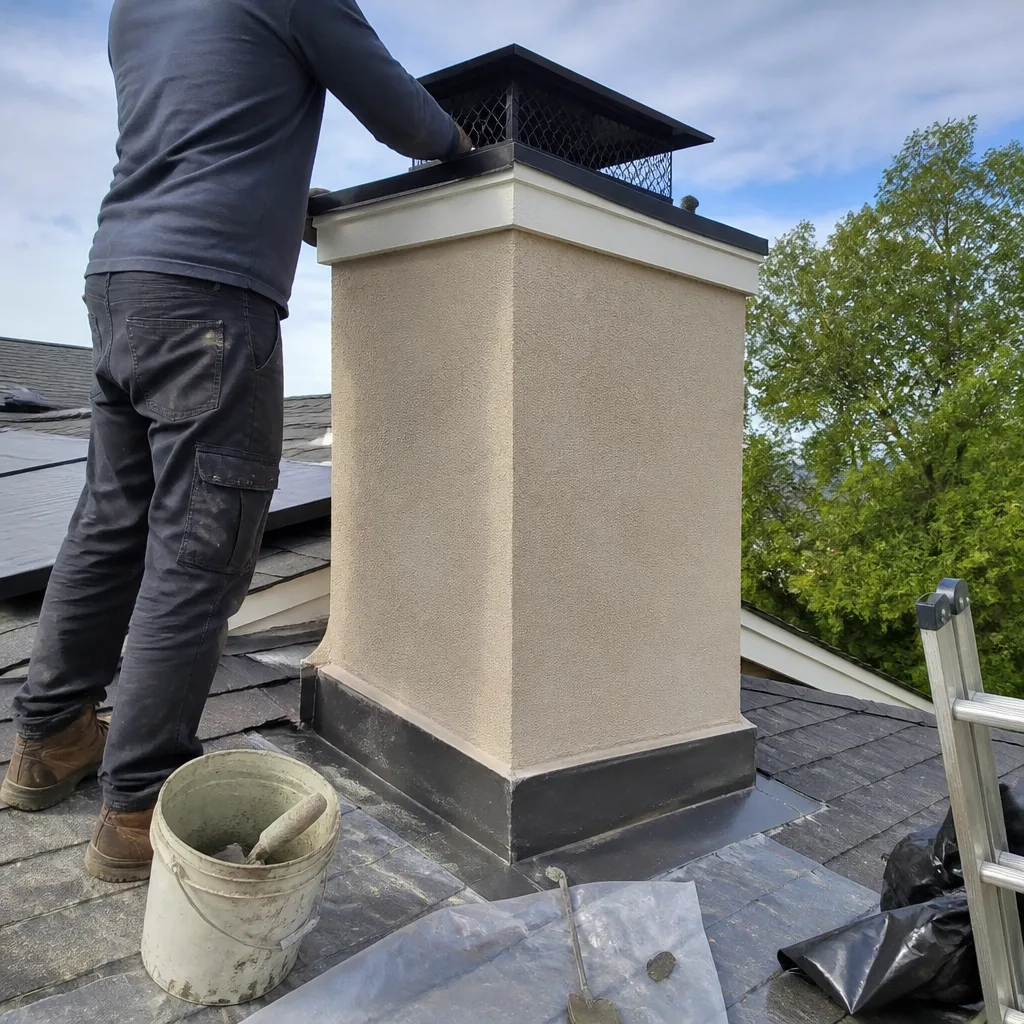
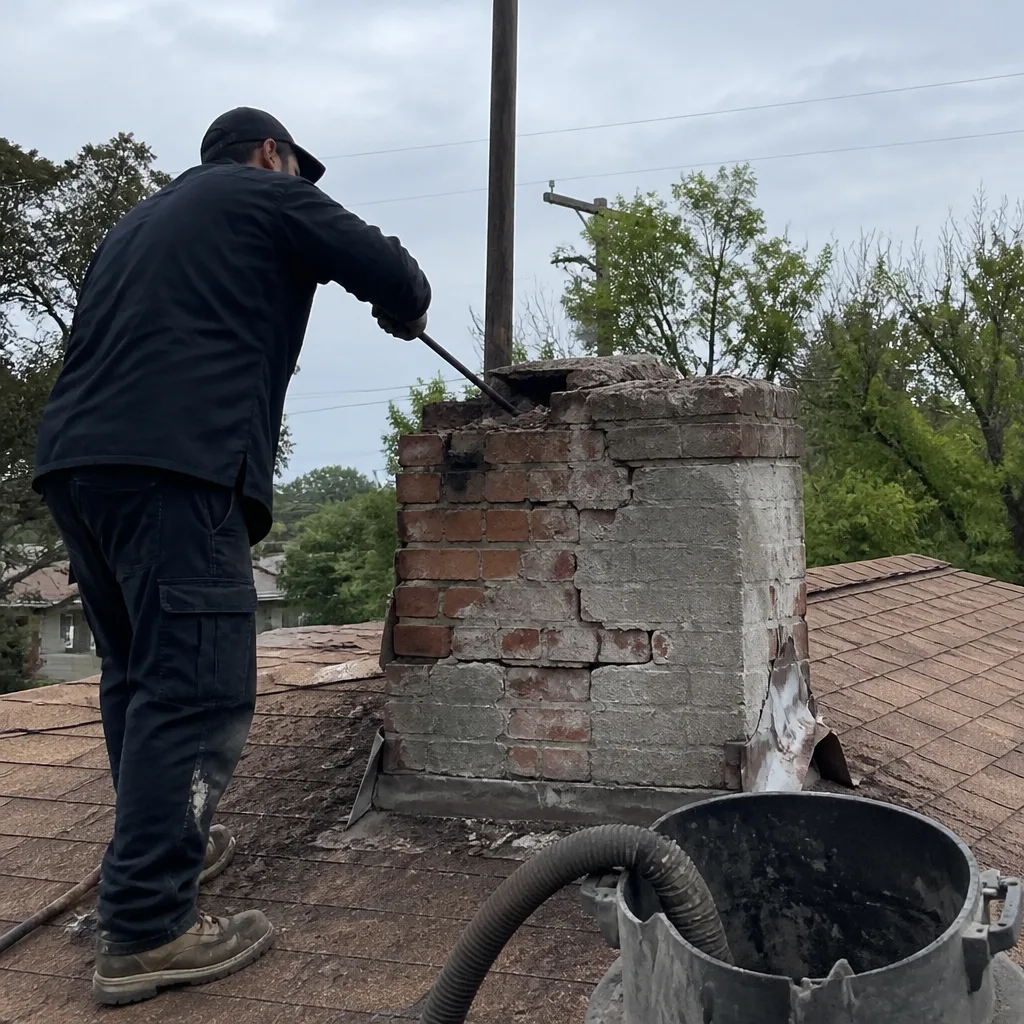
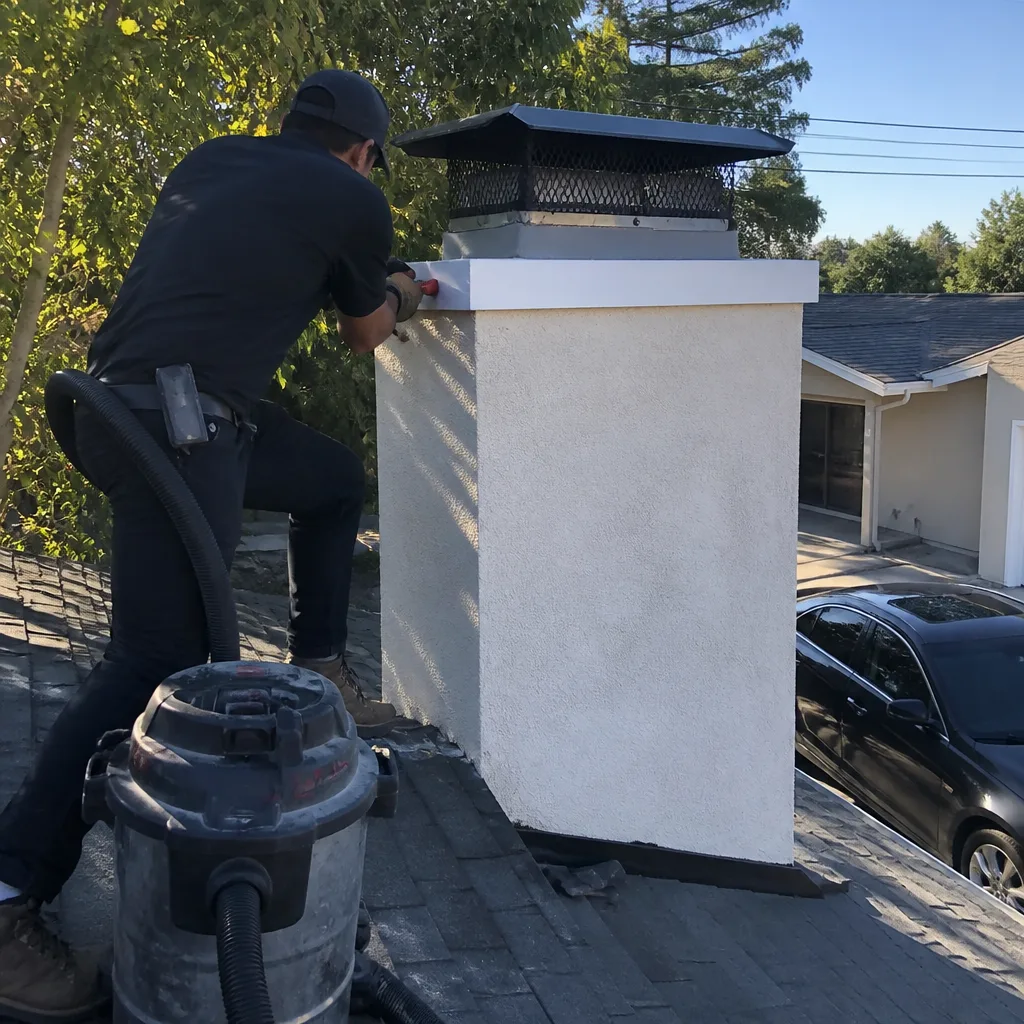
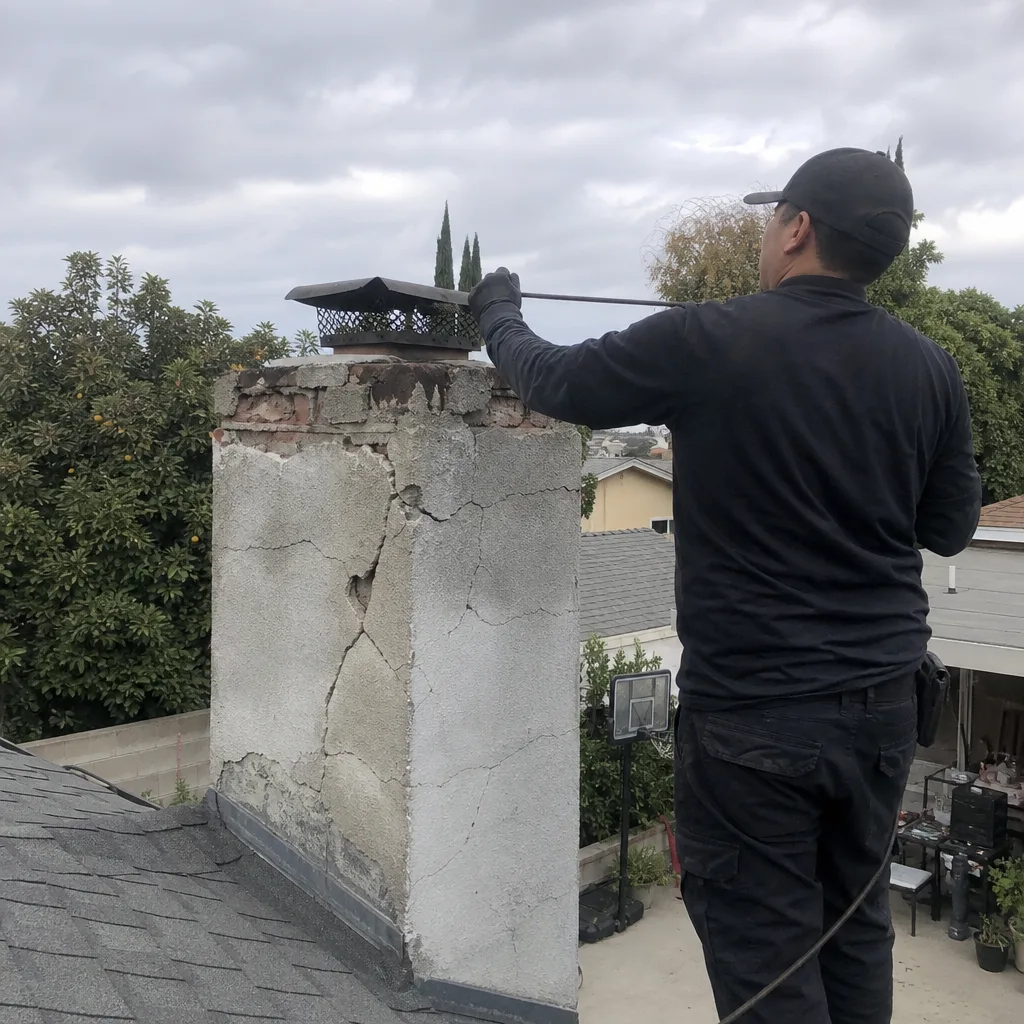 Before
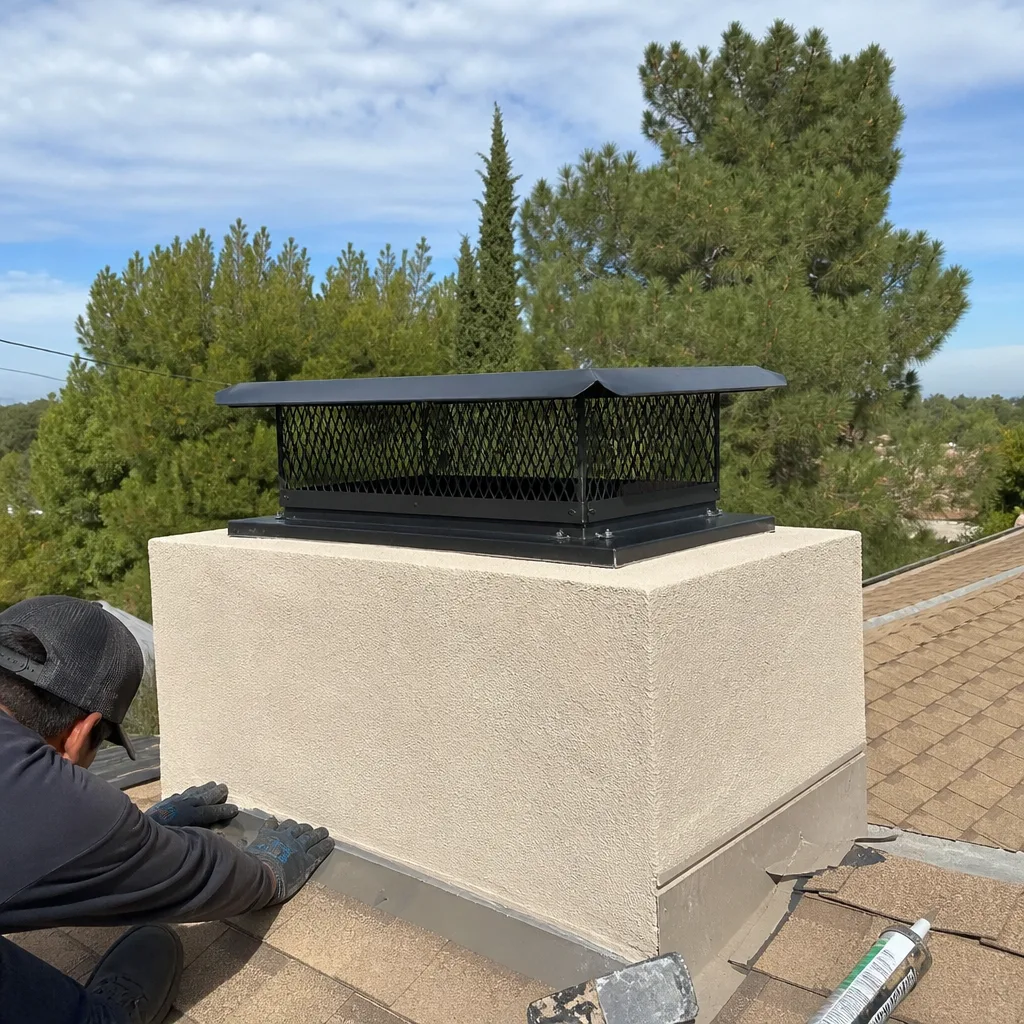 After
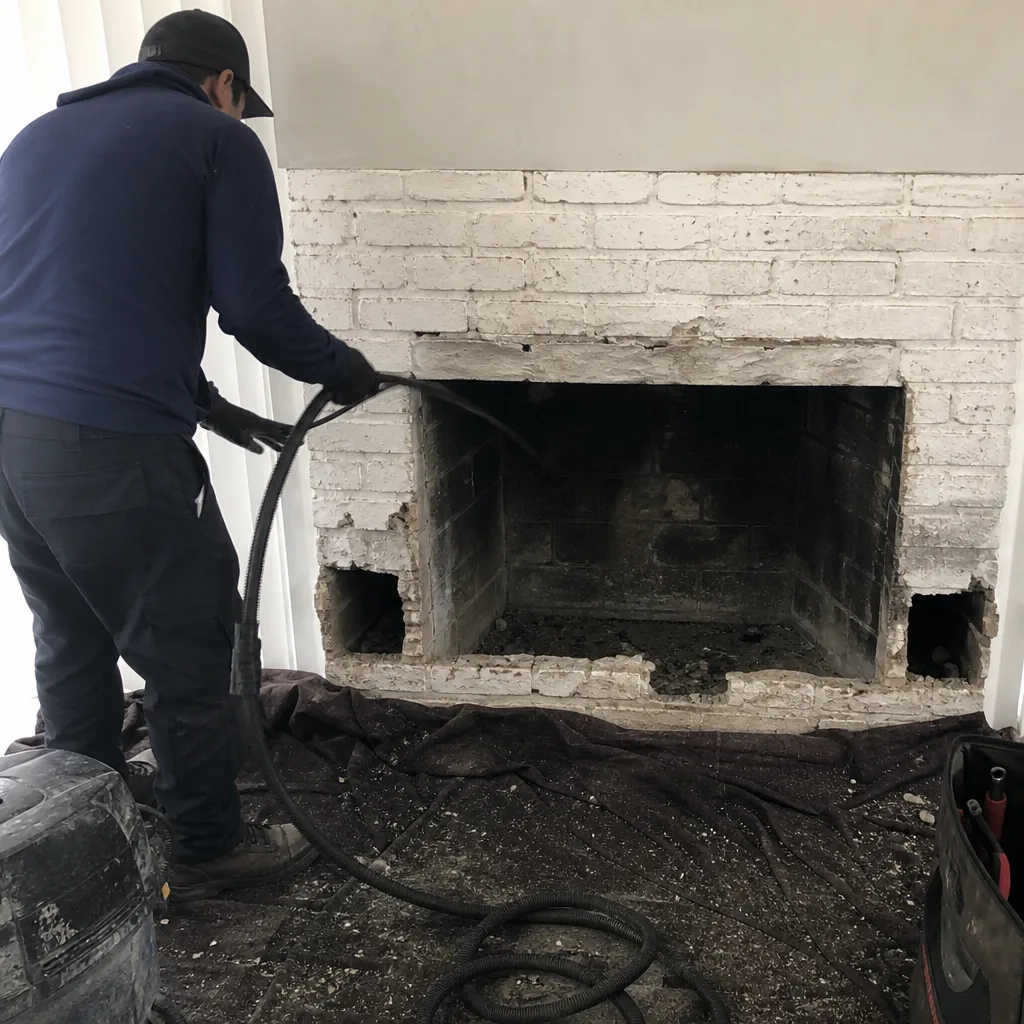 Before
 After
 Before
 After