
Last updated November 2, 2026
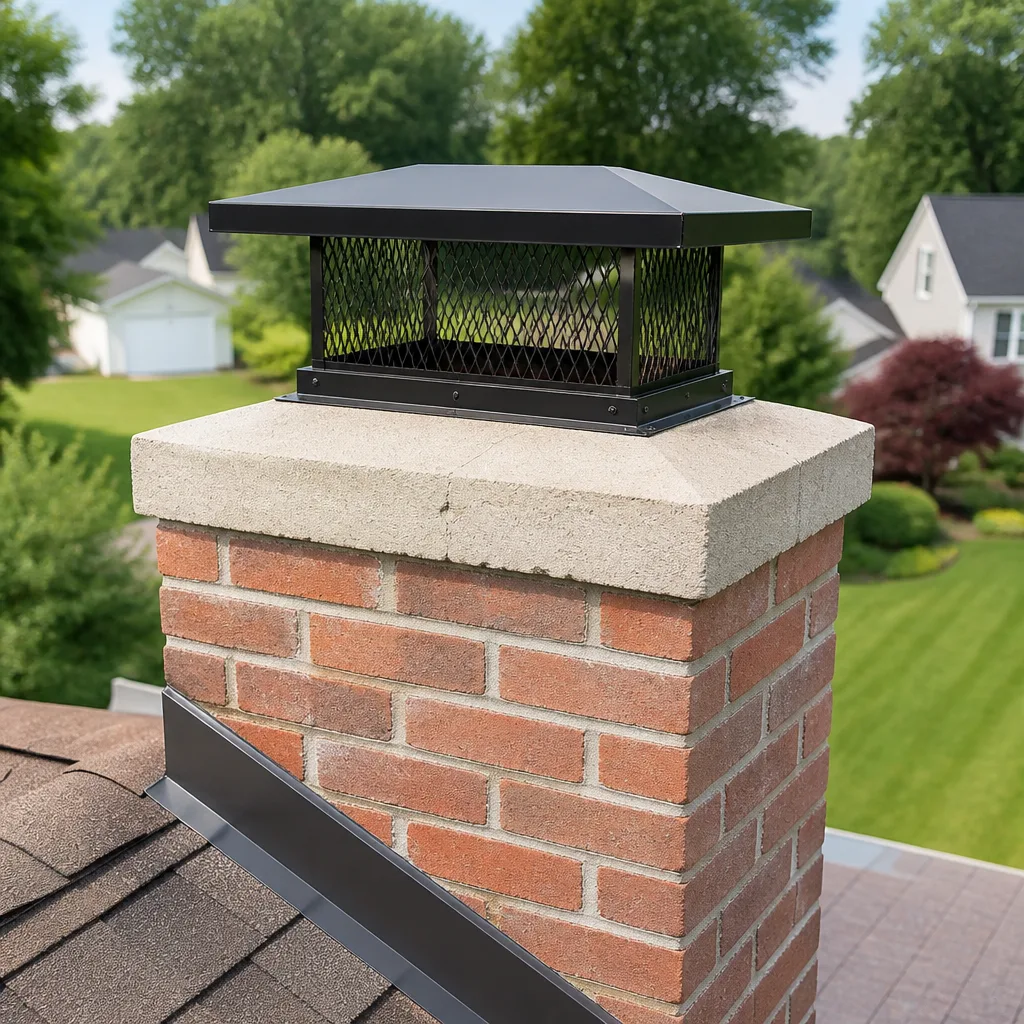 Sweep & inspection
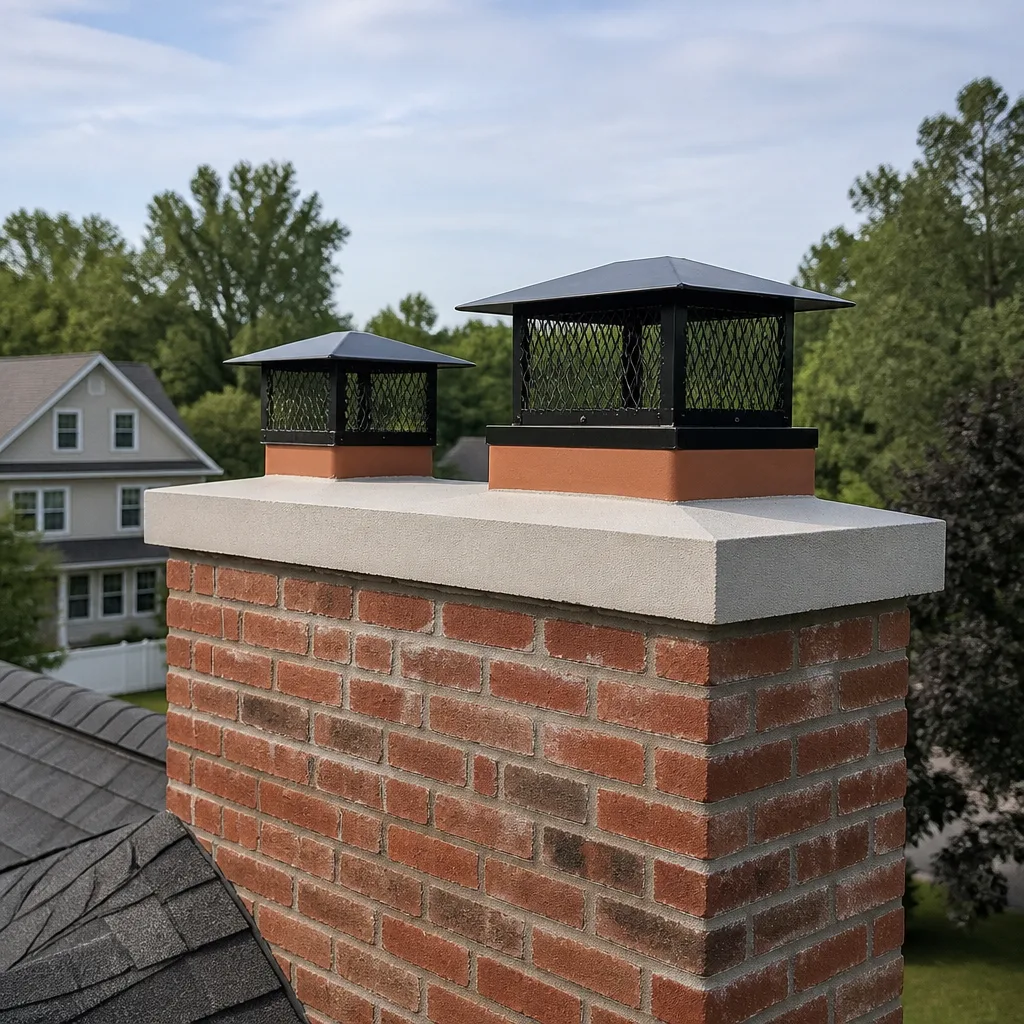 Caps & crowns
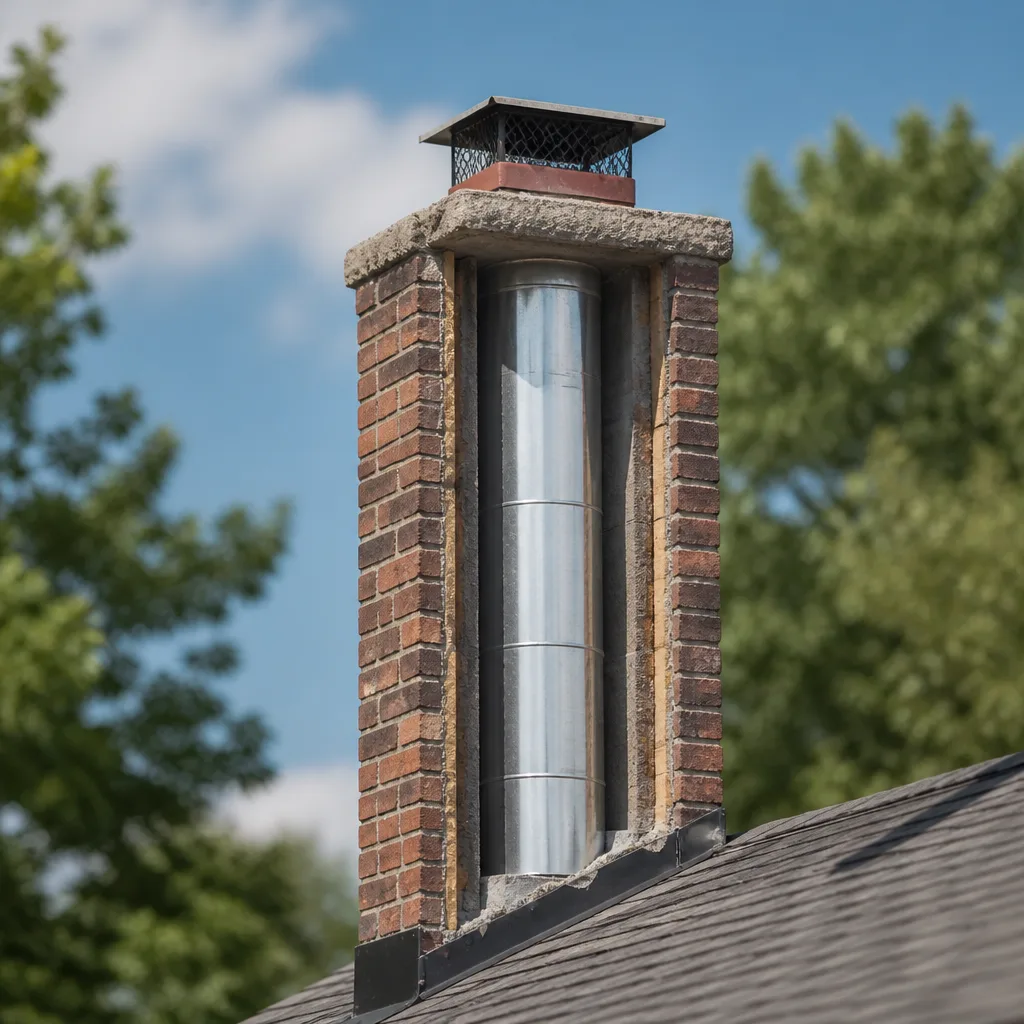 Flue relining
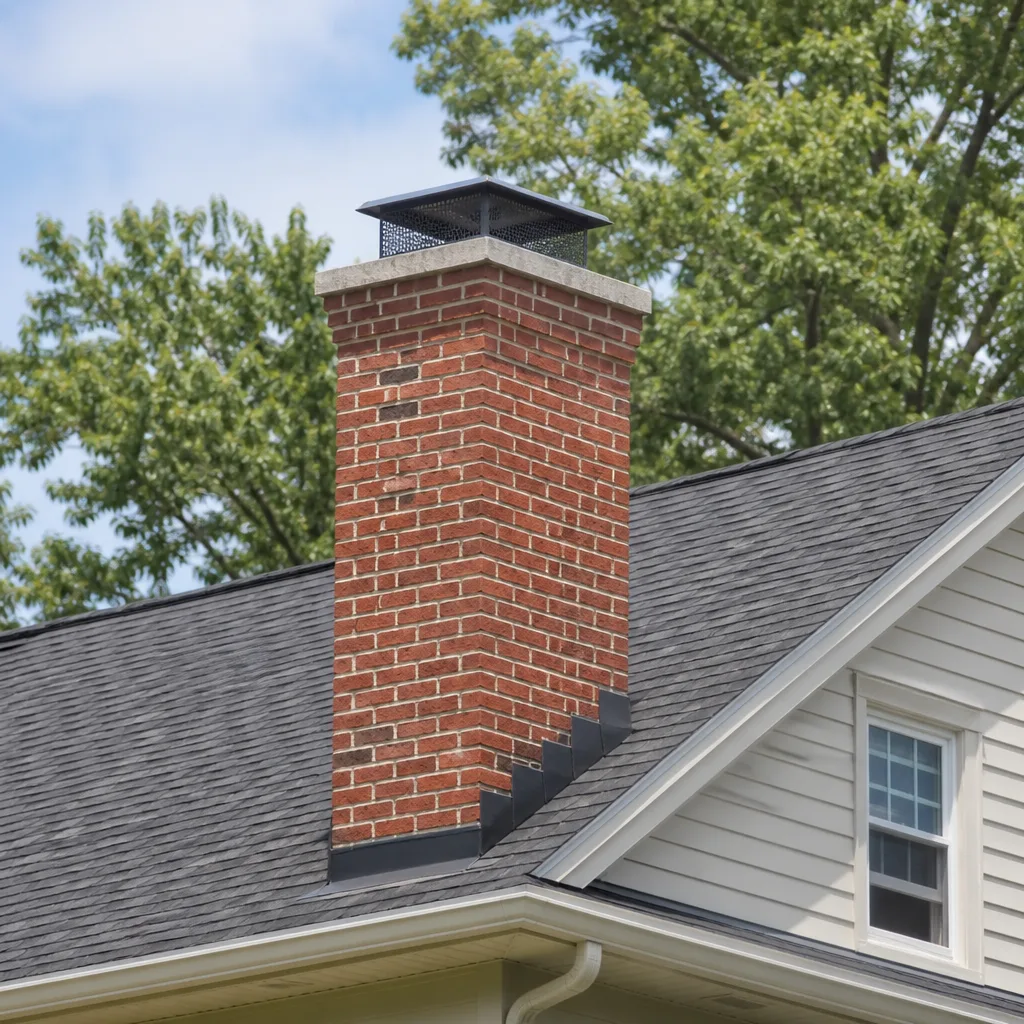 Masonry repair
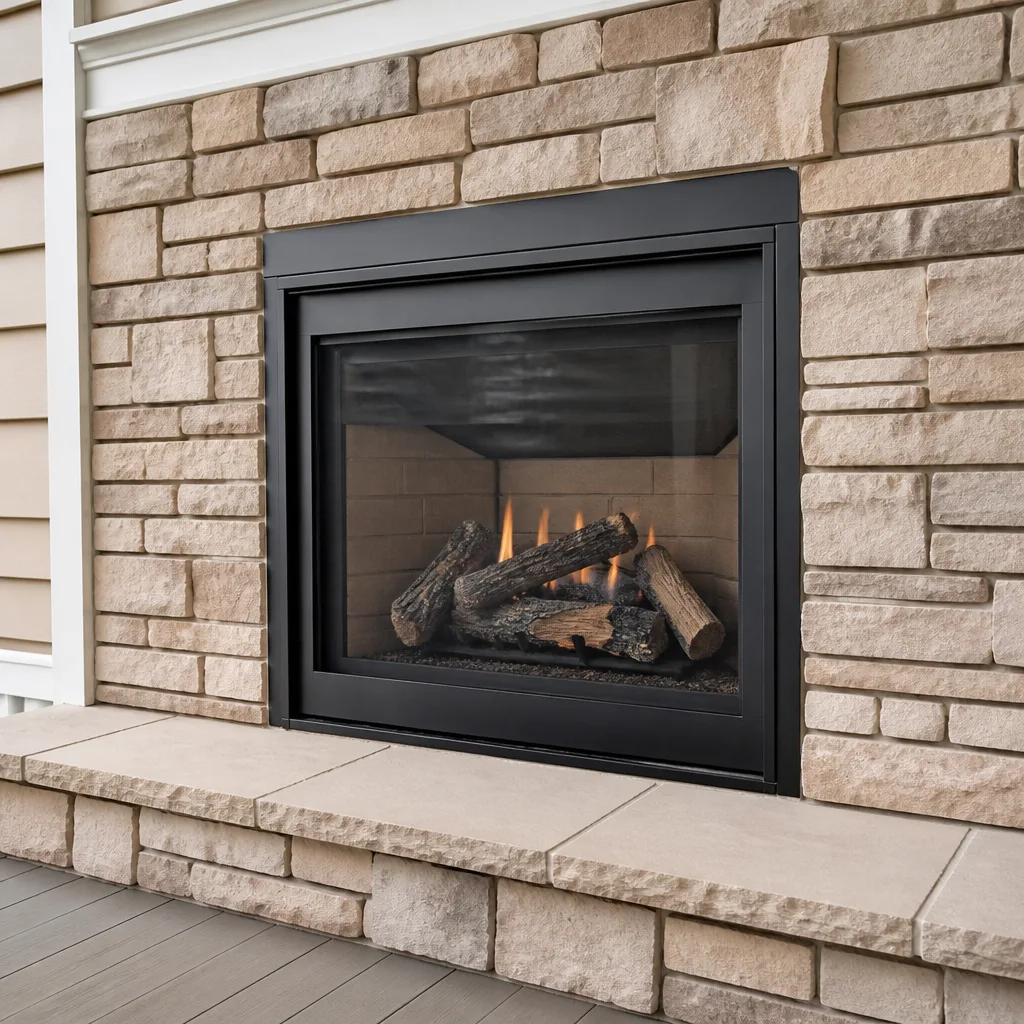 Gas fireplace service
Level 1 sweep and inspection to the NFPA 211 annual standard - flue, crown, cap, and flashing checked and photographed
Chimney sweep logs do not sweep chimneys. They loosen some creosote - which then falls where a brush and vacuum still have to collect it.
Chimney Cleaning Warning Signs: A Reseda Homeowner’s Reference Guide
You’ve probably been told to watch for smoke backing into the living room or flames where flames shouldn’t be. By the time either happens, the problem has already been developing for months, sometimes years. The chimneys in Reseda don’t fail suddenly. They fail quietly, through a combination of water intrusion, thermal stress, and creosote chemistry that leaves identifiable markers long before anything dramatic occurs. The exterior staining that looks like cosmetic mineral deposits, the faint odor you only notice on humid mornings, the rust-colored spotting around the damper hinge. Each one is a diagnostic signal. This guide teaches you how to read them, what they mean mechanically, and which ones genuinely require professional attention versus which can safely wait. For a structured approach, see our Chimney Sweep Maintenance Checklist for Reseda Homeowners.
Quick Answer
The earliest reliable warning signs of a chimney problem in Reseda are efflorescence staining on exterior masonry (indicating active water intrusion), a sulfur or acrid odor distinct from normal wood smoke (indicating incomplete combustion or flue gas backflow), rust staining around the damper frame or firebox (indicating sustained moisture exposure), and spalling brick faces inside the firebox that crumble when probed. Any one of these warrants a professional chimney inspection. Combined, they indicate compounding structural and safety issues that will not self-correct.
Styles & brands we work with
- Sweep & inspection
- Caps & crowns
- Flue relining
- Masonry repair
- Gas fireplace service
Table of Contents
- How to Read Efflorescence on Your Reseda Chimney
- Smoke Odor vs. Sulfur Odor: What Each One Tells You
- Draft Problems and Damper Problems: Learning the Sound Signature
- Rust at the Damper Frame: A Cascading Failure Signal
- Spalling Brick Inside the Firebox: The Key Test
- What Makes Reseda Chimneys Deteriorate Differently
- Common Mistakes to Avoid
- When to Call a Professional
How to Read Efflorescence on Your Reseda Chimney
The white, chalky staining that appears on chimney exteriors is not something you should scrub off and forget. Efflorescence is the visual record of water moving through your masonry. As moisture penetrates the brick or mortar, it dissolves mineral salts naturally present in the clay and cement. When that water reaches the surface and evaporates, the salts crystallize as a white residue. The pattern, location, and intensity of that residue tell you where the water is entering, how long it has been moving, and roughly how saturated the masonry has become.
In Reseda, we see three distinct efflorescence patterns most often. A broad, uniform white haze across the lower third of the chimney typically indicates rising damp from a failed or missing damp-proof course at the roofline. This is a slow, chronic condition, often years old. A localized white bloom radiating from a single crack or mortar joint points to a specific point of water entry, usually a deteriorated joint or a micro-fracture caused by thermal cycling. Streaking that runs vertically from the top of the chimney down toward the roofline usually indicates water entering through the crown or under the cap.
The color intensity matters too. Bright white, sharply defined deposits are actively forming, meaning water is moving through the masonry right now. Older, grayed, or yellowish deposits suggest the water source may have been intermittent or partially addressed. Either way, efflorescence is never purely cosmetic. The same water that causes it is freezing, thawing, and expanding inside your brick face. The same water is dissolving the internal structure of your flue tiles. The same water is feeding rust on your damper assembly. Treating the stain without treating the water source just lets the underlying damage progress. If you’re seeing efflorescence on your chimney, a Chimney Repair in Reseda inspection will identify the entry point precisely.
Smoke Odor vs. Sulfur Odor: What Each One Tells You
Most Reseda homeowners know what a normal wood-burning fireplace smells like during the burning season. The residual scent after a fire is part of the experience. But when you start noticing odor outside of active burning, or when the odor itself shifts in character, that’s a signal worth decoding.
A standard smoke odor that appears when the fireplace is not in use, especially on humid days or when the wind comes from a particular direction, usually points to a draft reversal or inadequate flue draw. The warm air inside your home escapes up the chimney, drawing flue gases and creosote residue back down. This is an airflow and pressure problem. It can often be corrected with a properly sized cap or damper adjustments.
A sulfur or rotten egg odor is a different category entirely. In a gas-fired system, sulfur odor can indicate incomplete combustion. Natural gas itself is odorless. The mercaptan that’s added to give it a smell is sulfur-based. When everything works correctly, combustion consumes the mercaptan and the flue carries it away. When you smell sulfur inside the home, it means either the combustion process is incomplete, or flue gases are leaking back into the living space rather than exiting properly. Flue gas backflow is how carbon monoxide enters a home. Carbon monoxide is odorless and colorless. If you’re smelling sulfur from a gas appliance, it may be traveling with carbon monoxide you cannot detect by smell. Treat that as a genuine emergency signal and get it evaluated. For wood-burning systems, an acrid or unusually sharp odor, different from the familiar sweet smell of aged creosote, can indicate abnormal creosote accumulation or a partial blockage causing incomplete drafting.
Draft Problems and Damper Problems: Learning the Sound Signature
Your chimney talks. Most homeowners just haven’t learned to listen to the difference between the sounds. Once you know what each sound signature indicates, you can identify a draft problem versus a damper problem before either one causes smoke to pour into the living room.
A steady, low-pitched howl during windy weather is typically a draft turbulence issue. This happens when wind passes over the chimney top at an angle that creates a vortex inside the flue. The sound is consistent, follows the wind, and often comes with intermittent cold drafts into the fireplace opening. The most common fix is a properly designed cap, something like a Gelco or Famco termination product that manages wind flow at the top rather than letting it spiral down the flue.
A high-pitched whistle is different. Whistling usually indicates an undersized or partially closed damper opening. Air being pulled through a restricted gap creates the same physics as blowing across a bottle top. This is a mechanical issue. The damper throat is either sized wrong for the flue, or the damper assembly is partially seized in a semi-open position.
Back-puffing has a distinctive sound and feel. It’s a soft percussive thump as smoke is pushed back into the room before being drawn up again. Back-puffing means the flue is struggling to establish a stable draft. It can be caused by an oversized flue that cools too quickly, a flue that’s partially blocked by creosote or debris, or a chimney that’s too short to overcome the natural air pressure around your Reseda roofline. If you’re experiencing back-puffing, the Chimney Sweep in Reseda team can diagnose whether this is a cleaning issue or a structural sizing problem.
Rust at the Damper Frame: A Cascading Failure Signal
Rust staining around the damper frame or inside the firebox gets dismissed as cosmetic wear. Water plus steel equals rust, sure. But when you see rust at the damper, you’re seeing evidence of sustained, repeated moisture exposure. That moisture got there somehow, and it didn’t arrive by accident.
The most common path for that moisture is water entry from above. A damaged flue cap, a cracked crown, or deteriorated mortar joints at the top of the chimney all allow water to run down the flue interior. That water hits the damper, which sits at the bottom of the flue, and pools there. Steel rusts. The rust expands. The damper begins to bind. Now you have two problems: a water intrusion problem and a mechanical failure problem. The rusted damper can seize partially open, which creates draft issues in winter. It can seize closed, which prevents ventilation of the flue and accelerates creosote degradation. Or it can develop pinhole corrosion, which allows water to drip into the firebox and damage the masonry below.
The cascading sequence is predictable. Water entry causes rust. Rust causes damper failure. Damper failure causes draft problems. Draft problems cause combustion byproducts to linger in the home. Each stage of this sequence is a separate repair. Addressing the rust alone without addressing the water source just restarts the timer. And in a gas-burning system, the same water that’s rusting your damper is likely interacting with your flue liner, which can lead to the kind of internal deterioration only a camera inspection can reveal. When we see rust at the damper, we don’t just replace the damper. We trace the water back to its entry point and close the whole loop.
Spalling Brick Inside the Firebox: The Key Test
Firebox brick shows darkening from the first fire. Firebox brick shows surface cracking where heat and cooling cycles have stressed the face. Firebox brick even shows a powdery surface texture after years of use. None of that is alarming. Spalling is different, and there’s a straightforward test any homeowner can perform to tell the two apart.
Spalling is the physical flaking off or crumbling away of the firebrick face. It happens when water has penetrated the brick, then the heat of the fire turns that water to steam inside the masonry. Steam expands rapidly, blowing pieces of the brick face off. The brick then has a raw, exposed interior with a depth of damage that carbonization never causes.
The test is simple. Take a key, a coin, or the edge of any metal object. Press it gently against the brick face. Then tap it lightly. A normal, sound firebrick will feel hard and solid. The key skitters across the surface. A spalled brick will show the problem immediately. The key will catch on the rough surface, bits of brick will crumble away, and you may feel a hollow or soft give underneath. That gives you the answer in under ten seconds.
Spalled firebrick is a repair that cannot wait. The firebrick inside your firebox is a heat shield. It’s protecting the structural masonry and the wood framing around your fireplace from temperatures that can exceed 1,000 degrees. Once spalling begins, the heat is getting deep into places it was never supposed to reach. This is not surface wear. This is structural compromise. And it’s one of the most common findings we encounter in older Reseda homes, where original fireboxes from the 1950s and 1960s are reaching the end of their service life.
What Makes Reseda Chimneys Deteriorate Differently
Reseda sits in a specific set of conditions that accelerates certain types of chimney damage. We work on chimneys throughout the San Fernando Valley, and the pattern is consistent here. It’s not the same damage profile you’d see in a coastal city or a mountain town.
The heat is the first factor. Reseda regularly sees summer temperatures above 100 degrees, and the diurnal swing between peak afternoon heat and overnight lows creates thermal cycling in masonry. Chimney exteriors expand during the day and contract at night. Over decades, this cycling creates micro-fractures in mortar joints and brick faces. Those micro-fractures become water entry points. Which brings us to the second factor: the rain pattern. Reseda gets nearly all its annual rainfall between November and March. That’s exactly when those micro-fractures are most vulnerable. The water enters through the fractures, then the overnight temperatures drop. Water inside masonry expands when it freezes. The cycle repeats every winter, and the fractures widen every year.
The third factor is the housing stock itself. A significant portion of Reseda’s single-family homes were built in the post-war boom from the late 1940s through the 1960s. These homes have original masonry fireplaces. The clay flue tiles of that era have a finite service life. We regularly see flue tiles with hairline cracking from thermal stress, often discovered during a routine sweep when the Chimney Sweep Reseda home inspection reveals what standard cleaning can’t see. The fourth factor is the nearby freeway corridor. Homes close to the 101 and the 405 experience more airborne particulate settling, which lands on chimney crowns and works its way into mortar over time. This particulate accelerates the breakdown of the already stressed mortar.
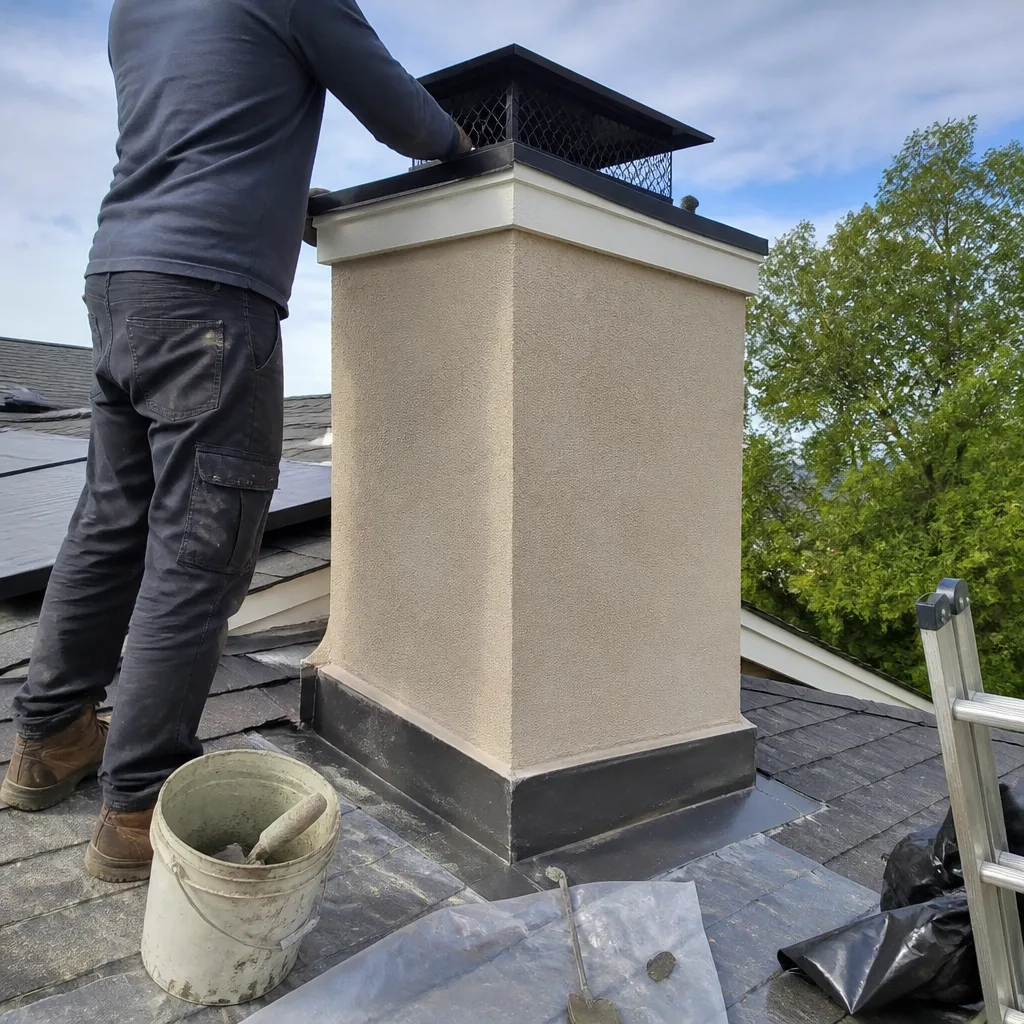
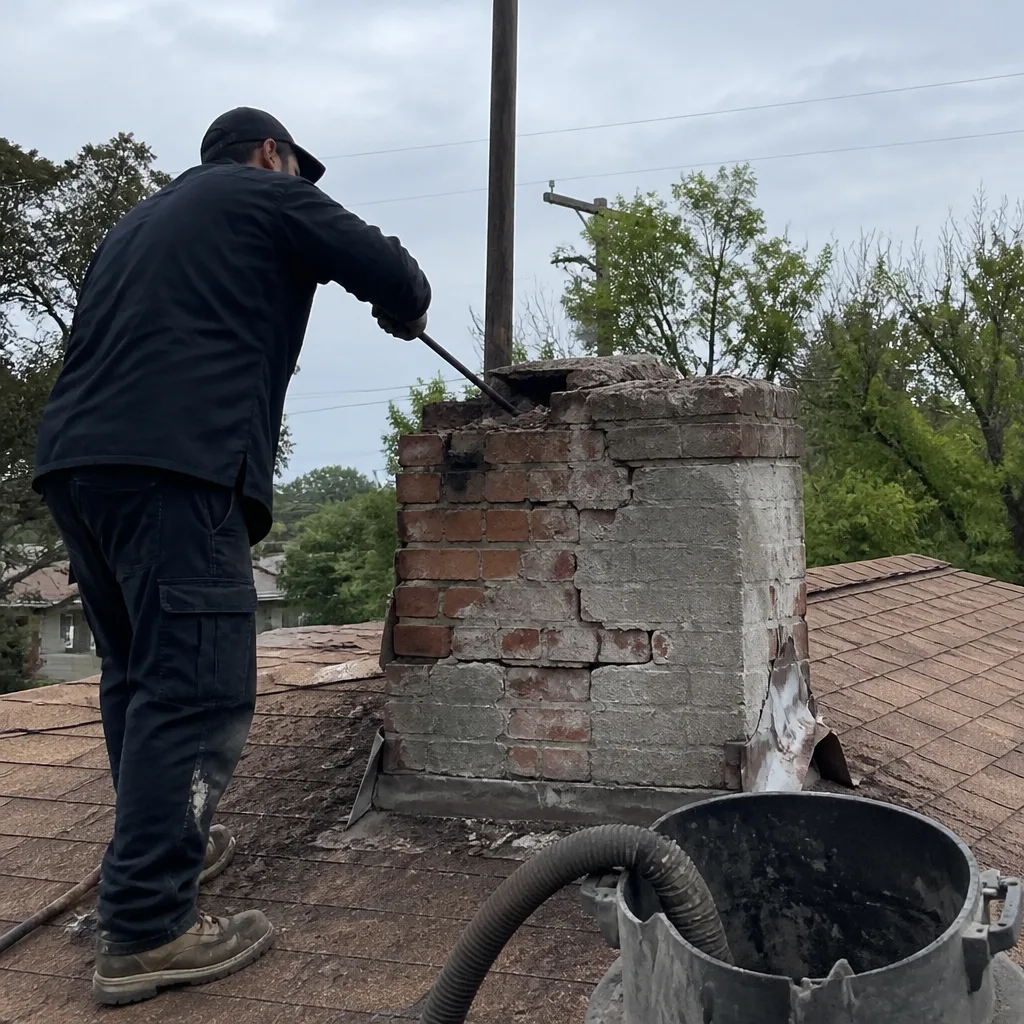
See the difference
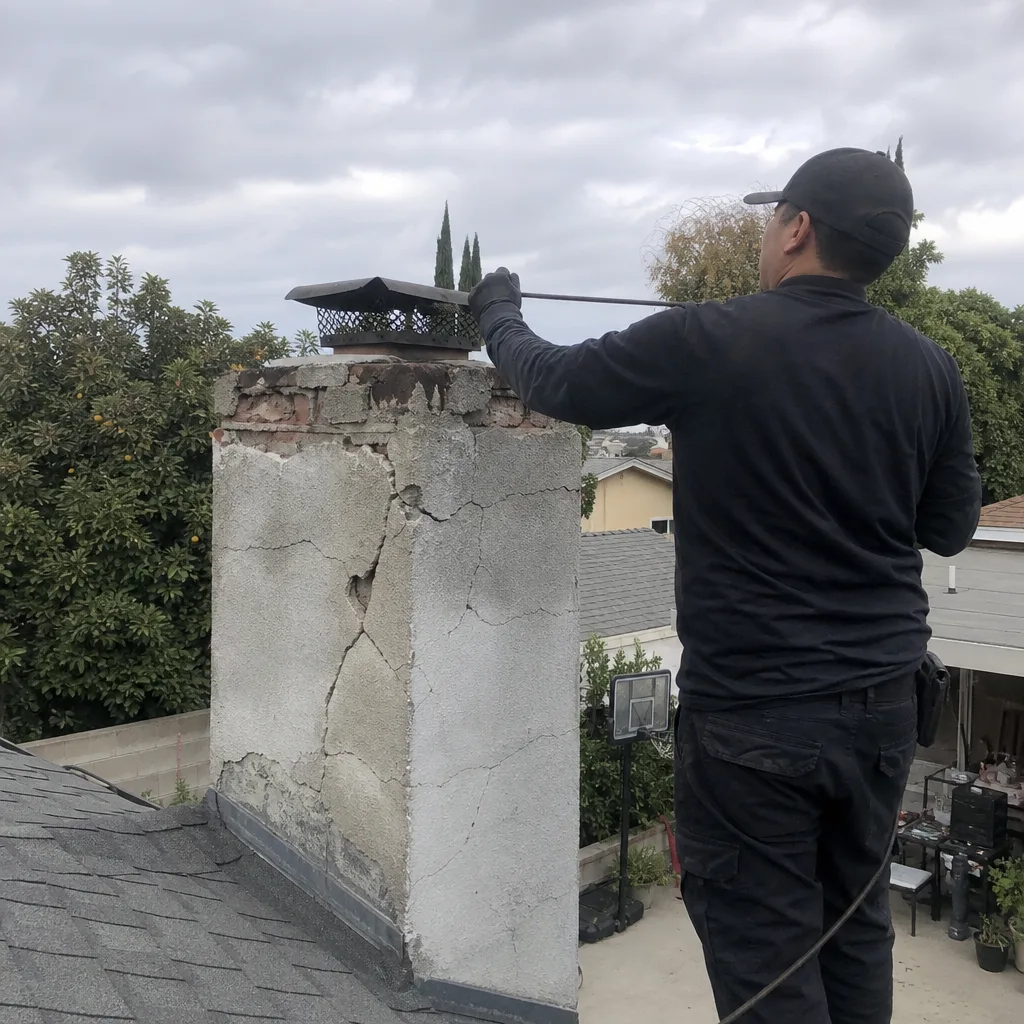 Before
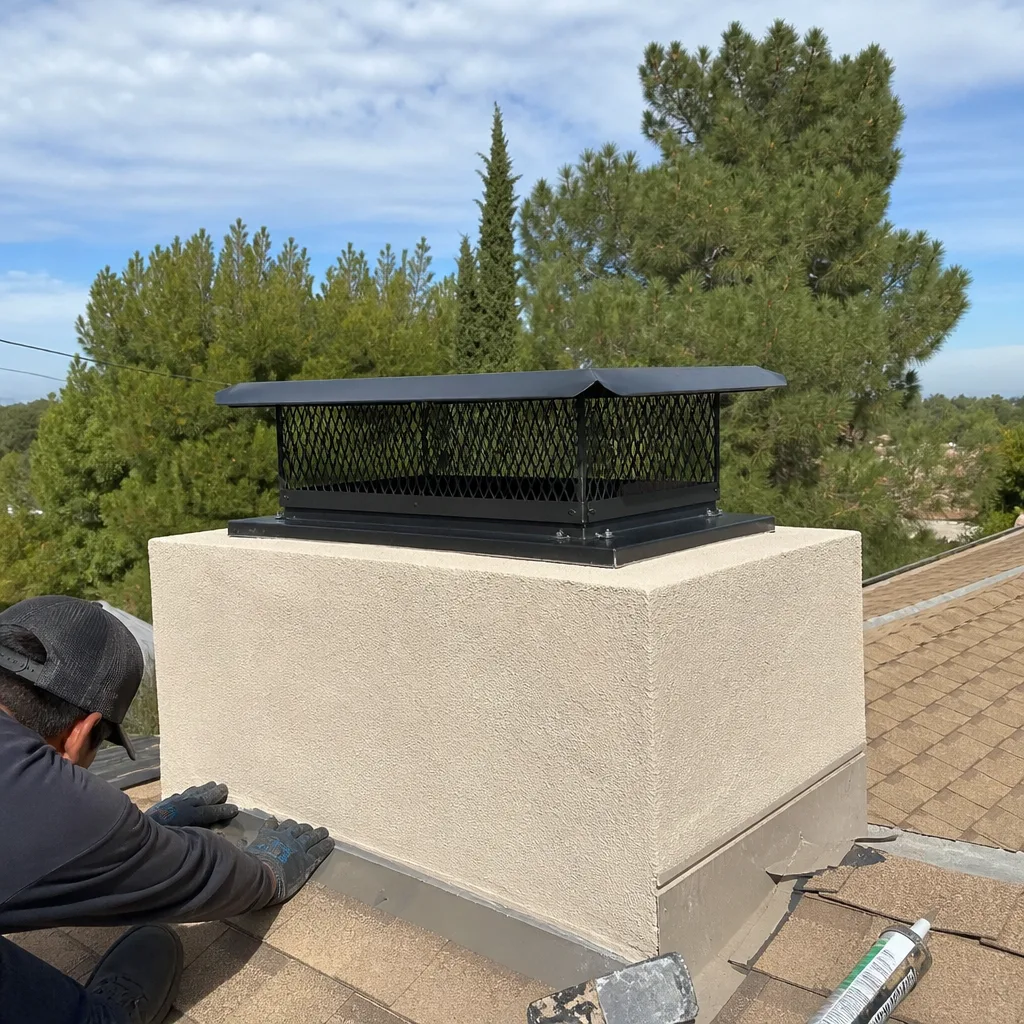 After
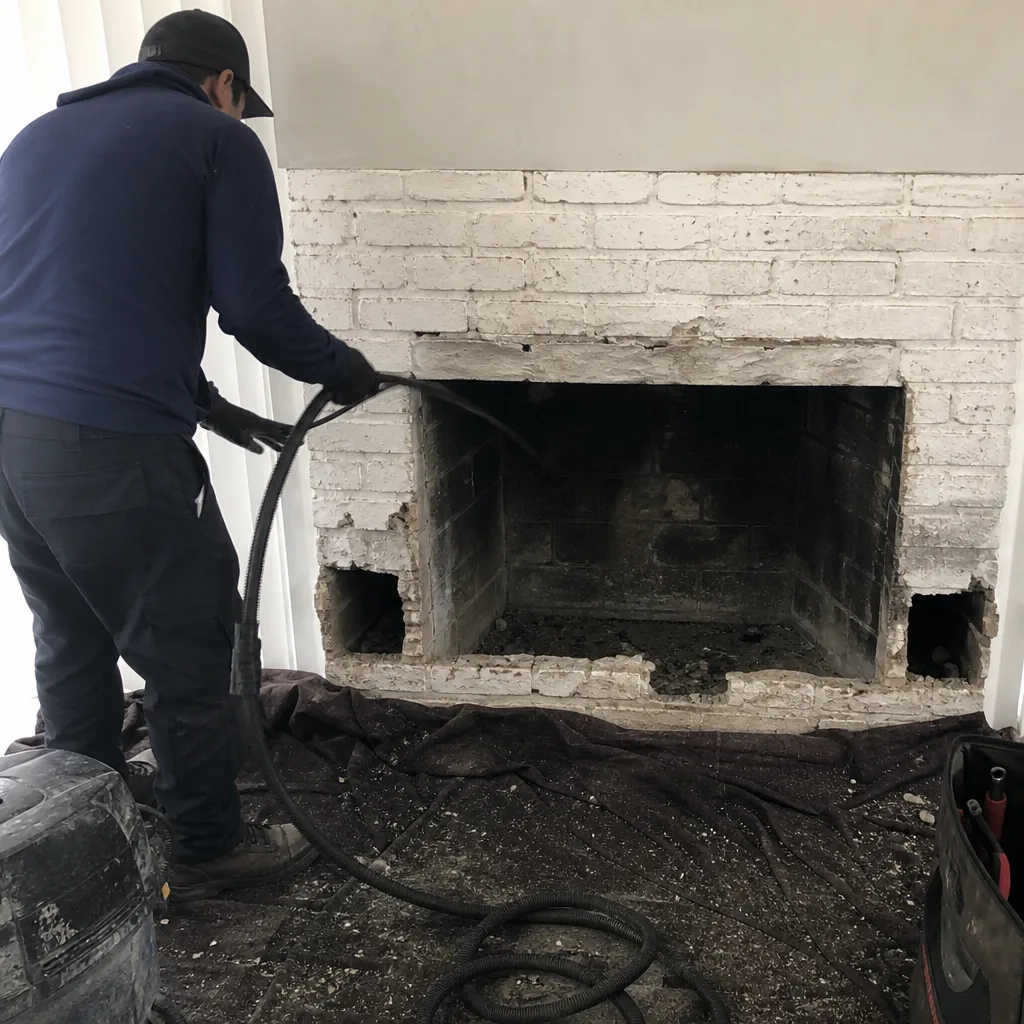 Before
 After
 Before
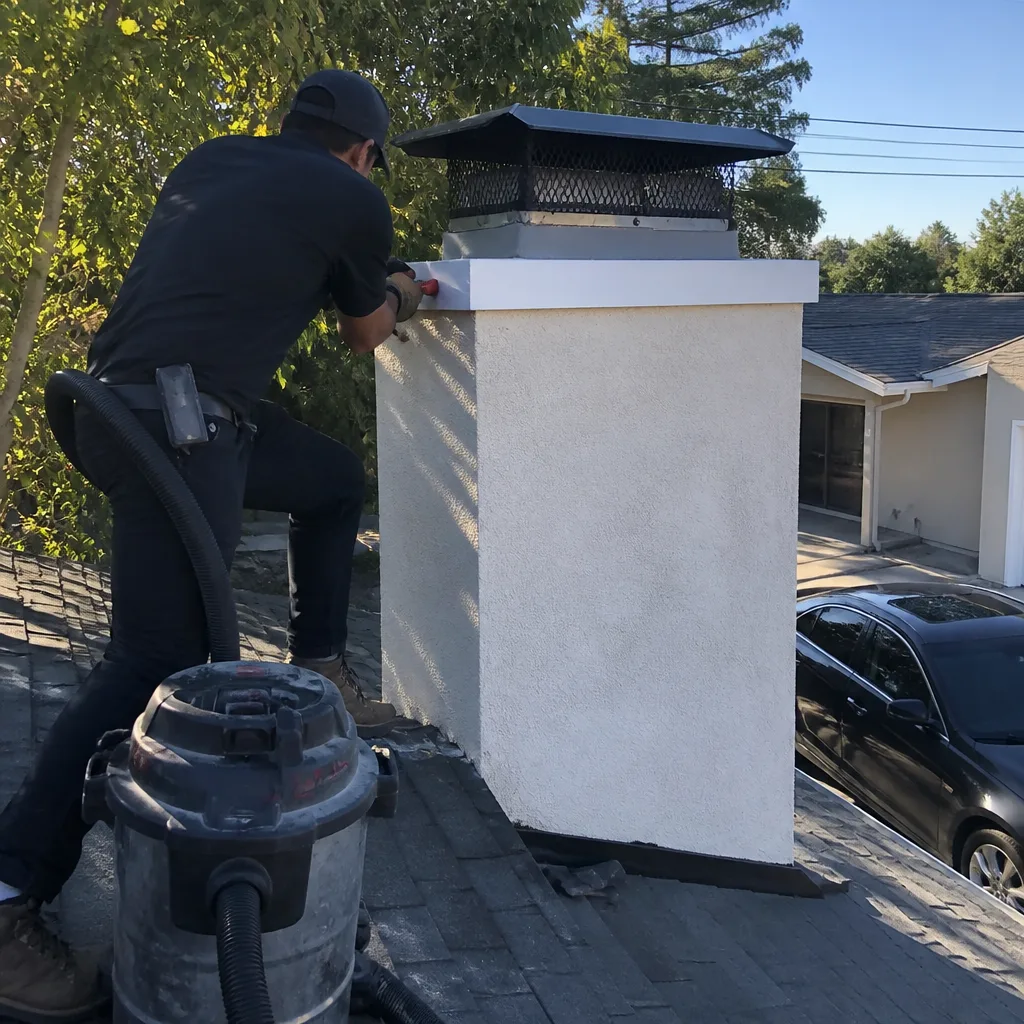 After
How a Professional Chimney Inspection Works
Once you’ve identified a warning sign, or even if you’re uncertain about what you’re seeing, the next step is a professional inspection. Understanding what that inspection involves helps you know what to expect and helps you evaluate whether you’re getting a thorough evaluation or a quick visual once-over.
- Exterior assessment. The sweep examines the chimney from the ground and then from the roof. They’re looking at the crown, the cap or lack of cap, the mortar joints, the brick condition, and any efflorescence patterns. They check for cracks, gaps, and signs of the water intrusion that starts most damage cycles.
- Interior flue evaluation. A camera is run through the flue. This is the single most important part of the inspection because it reveals what’s happening inside the flue tiles. Hairline cracks, gaps at tile joints, creosote accumulation depth, blockages, and deteriorated mortar all show clearly on camera. This is the only way to evaluate the entire flue, not just the portion visible from the roof or firebox.
- Firebox and damper inspection. The sweep examines the firebrick for spalling, checks the damper for rust and free movement, and looks for gaps between the firebox and the damper frame. This is where the rust and spalling warning signs get confirmed.
- Venting system assessment. For gas systems, the sweep verifies the connector pipe is properly sized and pitched, the termination at the top has an approved cap, and there’s no corrosion or leaking in the visible connector runs.
- Written findings. A professional sweep provides a documented report of what was found, usually with photos. We explain what we find. You should never walk away from an inspection without knowing exactly what condition your chimney is in.
In our experience working throughout Reseda, the homeowners who get the most value from an inspection are the ones who’ve noticed a warning sign and can point us toward it. “I heard a whistling sound during the Santa Anas” or “There’s white staining on the north face” gives us a starting point that makes the evaluation more targeted.
Common Mistakes to Avoid
- Scrubbing off efflorescence without addressing the water source. You’ll remove the visible evidence while the water intrusion continues undetected. The staining will return, and by then the internal damage will be worse. Efflorescence is a diagnostic picture, not a cosmetic annoyance.
- Assuming a chimney sweep is only about creosote. In Reseda, structural and water intrusion issues are at least as common as excessive creosote. A sweep that doesn’t include a camera inspection is a partial service. Paying for a sweep without a flue evaluation means potential tile cracks and liner damage go unseen.
- Ignoring an intermittent sulfur odor because it comes and goes. The intermittency is often weather-dependent. Some days the draft is adequate, some days it’s not. The days when you don’t smell it don’t reduce the risk. If flue gases are entering your home part of the time, that’s a problem all of the time.
- Painting over rusted damper hardware with high-temperature paint. The rust means the hardware has lost structural integrity. Paint hides the visual cue but does nothing for the mechanical binding underneath. The damper still needs replacement, and the water source still needs to be found.
- Using a scraper or wire brush aggressively on spalled firebrick. Spalled brick is already compromised. Aggressive mechanical cleaning can dislodge large sections and deepen the damage. A gentle key test gives you the information you need. Then stop touching it and call a professional.
- Assuming a new home means no chimney concerns. Even homes built within the last 15 years can have improperly sealed crowns, undersized dampers, or flue tiles that were installed with manufacturing defects. Age accelerates damage, but it doesn’t create it alone. Newer homes deserve the same inspection attention.
- Deferring a dryer vent cleaning because the chimney seems fine. The leading residential venting fire hazards in a Reseda home are the fireplace chimney and the dryer vent. They don’t often get addressed together, but they should. A Dryer Vent Cleaning in Reseda addresses the second hazard in the same home, often by the same technicians who already understand your venting system.
When to Call a Professional
You should call a professional when you see efflorescence that recurs after cleaning, when you smell sulfur or acrid odors that cannot be attributed to normal ash residue, when you hear whistling or howling from the chimney that’s new to you, when you find rust at the damper frame or firebox, or when your key test reveals soft or crumbling firebrick. You should also call after any seismic event, given Reseda’s proximity to the Northridge fault zone, as even minor shaking can open mortar joints and shift flue tiles. Don’t wait for visible smoke or flame where it shouldn’t be. The early signals are always present if you know what to listen for and what to look at. Chimney Sweep Reseda offers free estimates in Reseda. Call (866) 562-0968 to schedule a camera inspection of your flue and get straight answers about what’s actually going on inside your masonry.
Frequently Asked Questions
A standard chimney sweep in Reseda typically runs between $150 and $280, depending on the level of creosote accumulation and whether the flue requires rotary or chemical treatment. When camera inspection is included, expect a slightly higher range, around $225 to $350, because you’re getting a documented evaluation of the entire flue, not just removal of surface deposits. The company providing the inspection matters more than the price. A sweep that doesn’t evaluate the flue condition leaves you with a clean chimney and no information about whether the tiles, liner, and damper are sound. Call (866) 562-0968 for an exact quote based on your system. Estimates are free.
The standard recommendation is once per year, and the National Fire Protection Association guideline is to sweep when creosote buildup reaches 1/8 inch or more, whichever comes first. Homes that burn wood regularly throughout the Reseda winter season may need a second sweep mid-season if the wood is not fully seasoned or if the fireplace sees heavy use. Gas fireplaces used regularly should still be inspected annually, even if creosote is not a concern, because gas systems fail in different ways: corrosion in the flue, backdrafting, and combustion problems that don’t show up as black buildup.
No. Gas logs produce a different set of problems than wood fires. Gas systems corrode metal components, rust dampers, and can develop backdrafting issues related to the home’s pressure envelope. Reseda homes with tight modern windows and doors can create negative pressure situations that pull flue gases back into the living space instead of venting them. A gas system still needs annual inspection to verify the flue is drafting correctly and the termination is intact. The visual creosote check is less relevant. Everything else about the inspection is just as important.
The crown is the concrete or masonry slab at the top of the chimney that seals the area around the flue opening. The cap is the metal assembly mounted above the flue to keep rain, animals, and debris out while allowing flue gases to vent. Both are critical water management components. A cracked crown lets water into the masonry surrounding the flue. A missing cap lets water directly into the flue itself. The best modern caps from Gelco or Famco include spark arrestor screening and proper wind resistance for Southern California conditions. When either component fails, the water it admits starts the rust and efflorescence cycle on the warning signs list.
In most cases, yes. When flue tiles crack, they create pathways for heat and combustion gases to reach the structural masonry and wood framing around the chimney. The spaces between cracked tiles also collect creosote that cannot be removed by standard sweeping, creating an ongoing fire load inside the chimney structure. The two professional-grade solutions are resurfacing with HeatShield, which restores the interior surface of the existing tiles, or full relining with a DuraFlex flexible liner. The choice depends on the extent of the cracking. Both are better than patching. Neither is a DIY-appropriate repair. The right liner for your flue, installed correctly, is a permanent fix. A patch is a delay.
Yes. Dryer lint is highly combustible, and the restricted airflow from a clogged vent causes both the dryer to overheat and the lint itself to accumulate further, creating a feedback loop that ends in fire. Clothes dryers are responsible for thousands of residential fires every year, and the most common contributing factor is a vent that hasn’t been cleaned. The duct run from the dryer to the exterior of a Reseda home is often long, with bends where lint accumulates. Annual cleaning is appropriate for most homes, more often for households with high laundry volume. This is one of the few venting hazards that can be addressed quickly and completely by a specialist.
The Bottom Line
The warning signs of chimney trouble are visible and audible long before they become dangerous. Efflorescence tells you about water. Rust tells you about sustained moisture. Spalled brick tells you about structural compromise. Odd sounds tell you about airflow problems. Odd smells tell you about combustion issues. Each signal has a specific meaning, and each one, ignored, progresses toward a bigger repair and a higher risk. The chimneys of Reseda face a particular set of pressures: thermal cycling from decades of Valley heat, concentrated winter rainfall, and aging masonry from the post-war building era. The fixes exist, and they’re better than they’ve ever been: HeatShield for liner restoration, DuraFlex for permanent relining, Gelco and Famco caps for water management, and materials from Olympia and Copperfield that professionals specify because they hold up. What matters now is that you know what you’re looking at. If you see any of these signs, or if you simply haven’t had the flue camera-inspected, call us. We’ll tell you what’s there and we’ll show you the evidence. That’s the job.
Written by the team at Chimney Sweep Reseda, serving Reseda since 2012.