
Last updated November 2, 2026
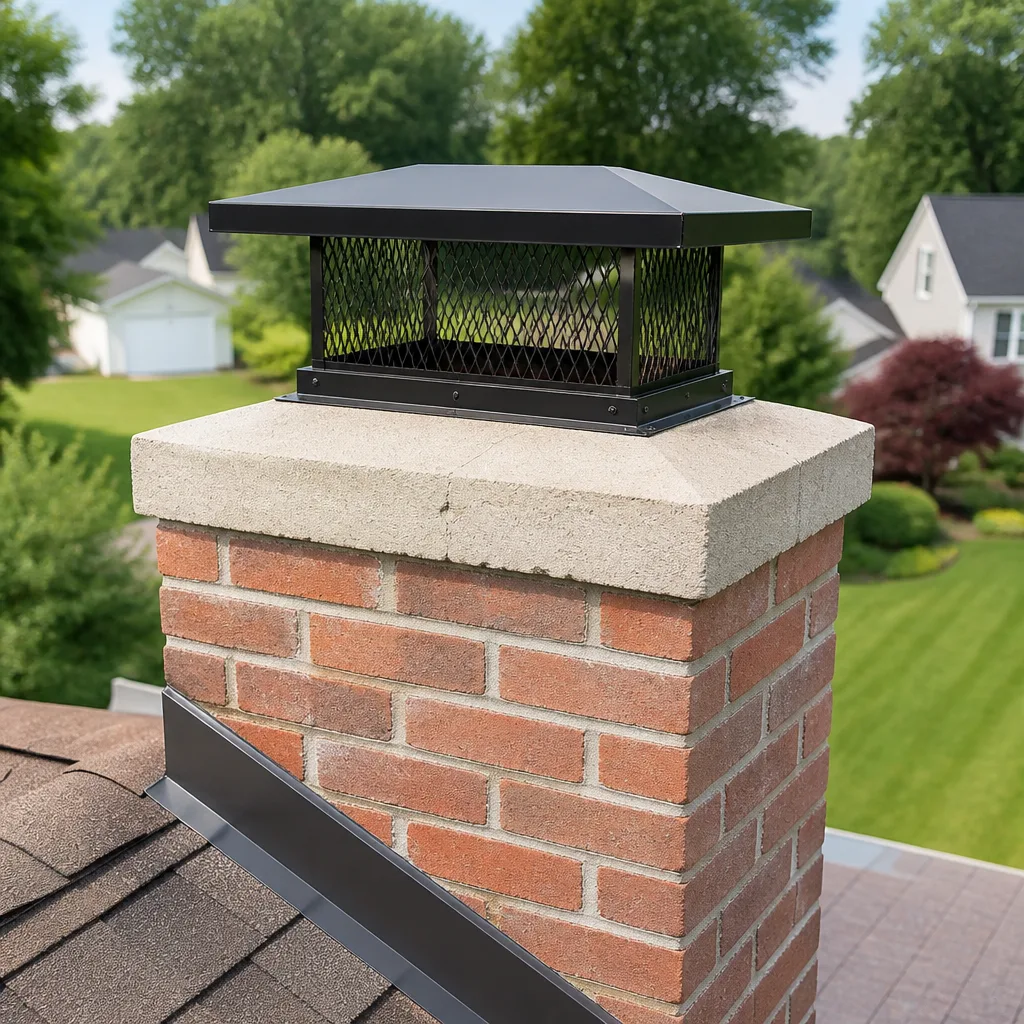 Sweep & inspection
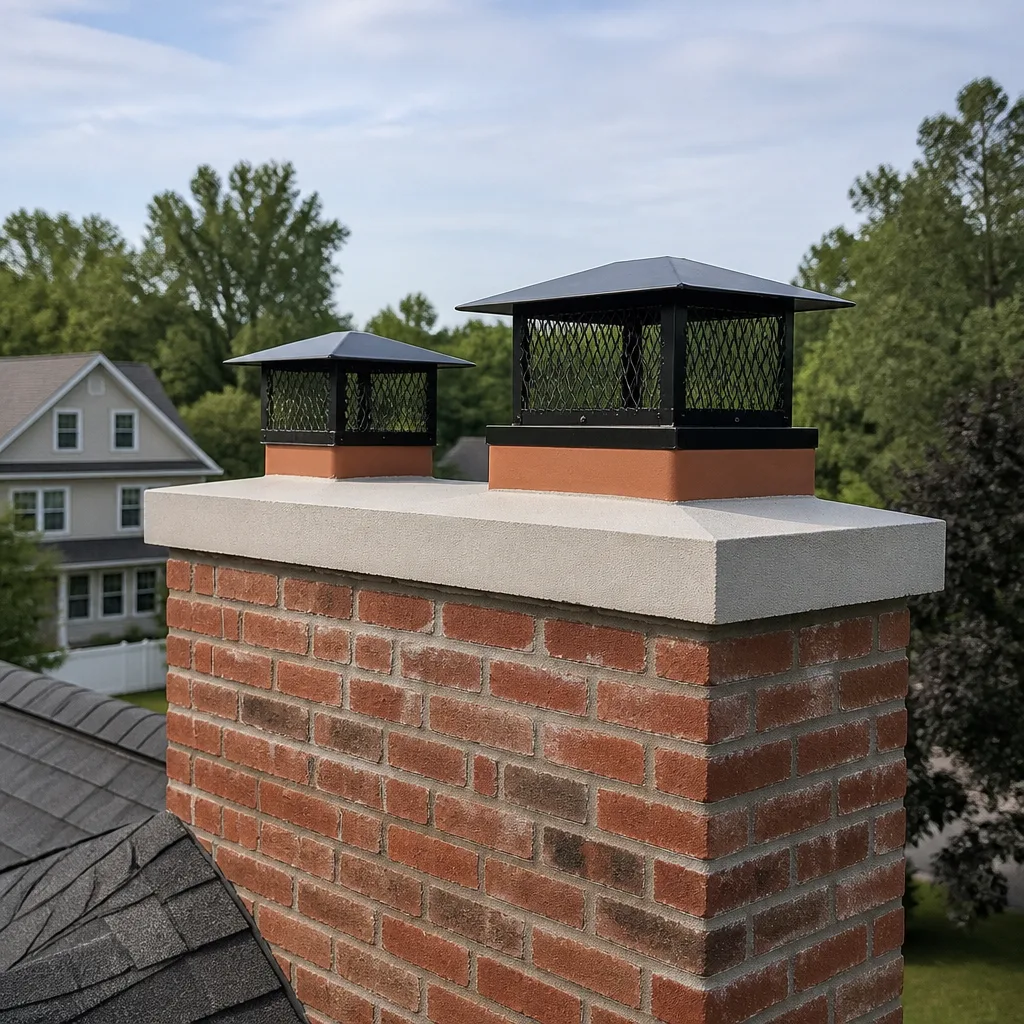 Caps & crowns
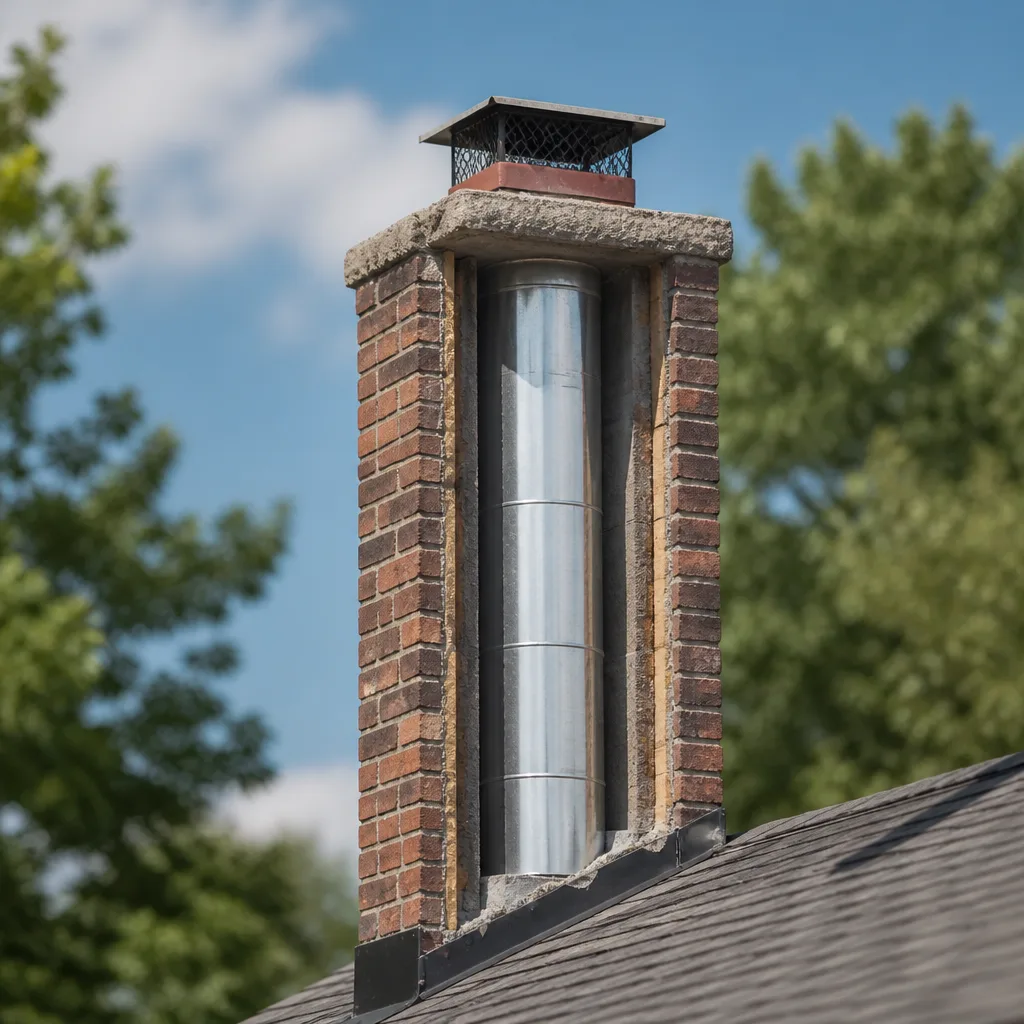 Flue relining
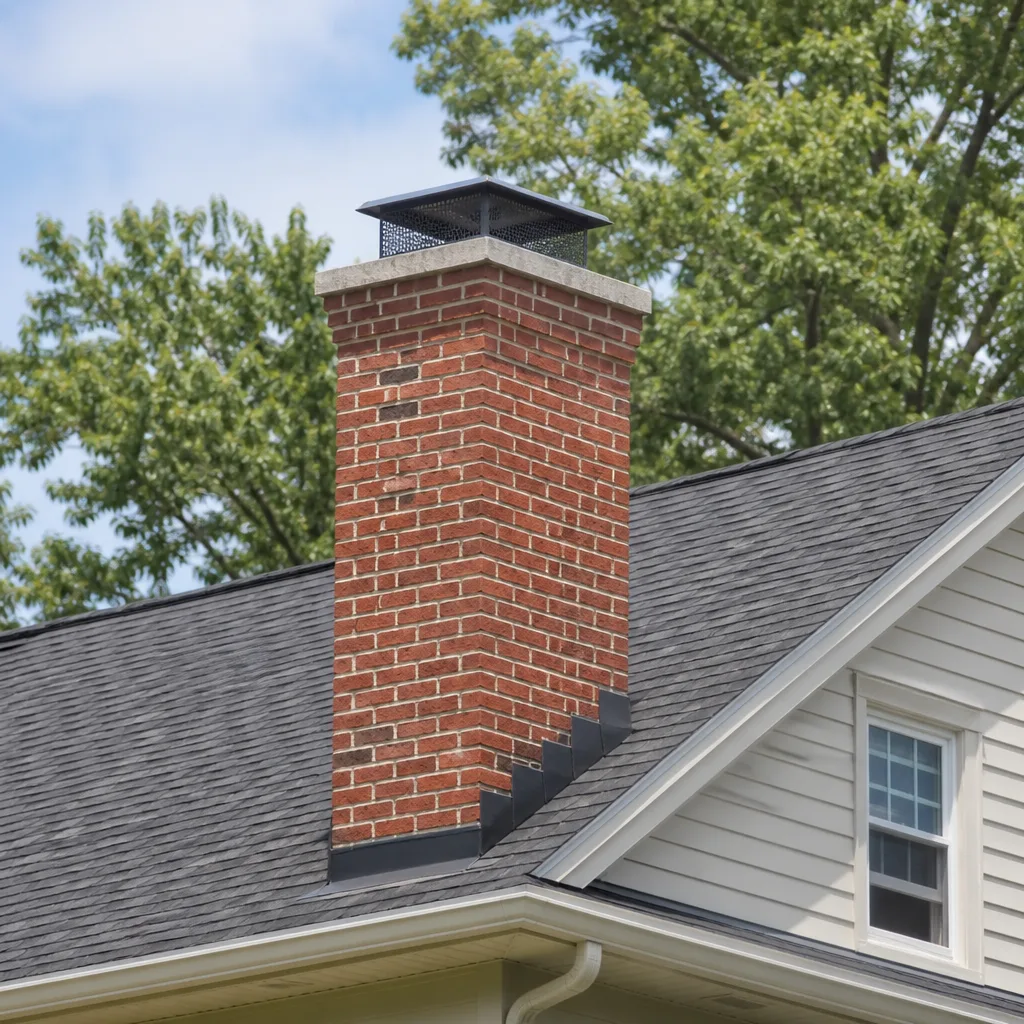 Masonry repair
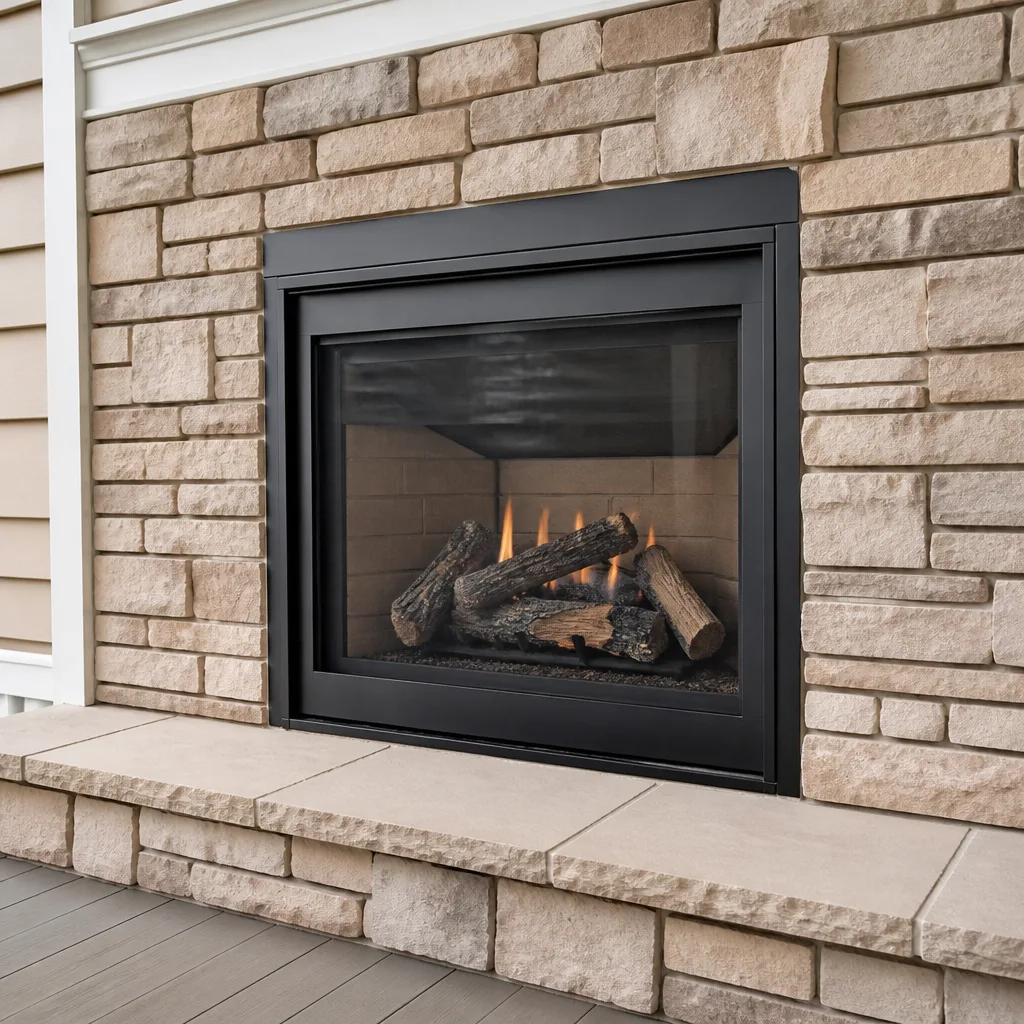 Gas fireplace service
Level 1 sweep and inspection to the NFPA 211 annual standard - flue, crown, cap, and flashing checked and photographed
Chimney sweep logs do not sweep chimneys. They loosen some creosote - which then falls where a brush and vacuum still have to collect it.
Seasonal Chimney Cleaning Care for Reseda: Year-Round Homeowner’s Guide
Scheduling a chimney cleaning in September because “fireplace season is coming” is the right instinct but the wrong timing for Reseda. By August, most of the summer’s damage to crowns, caps, and mortar joints is already done and waiting to be found. This guide explains the real seasonal calendar for Reseda chimneys, driven by Santa Ana wind cycles, valley heat stress, and marine layer condensation rather than the four-season logic written for New England or the Midwest. You’ll learn what actually happens to your flue each month, when to inspect, what to look for, and when a professional eye pays for itself.
Quick Answer
Reseda chimneys follow a climate-driven maintenance calendar where late summer (August through early September) is the optimal inspection window, not fall. Santa Ana winds from October through January cause the most acute damage to crowns, caps, and chase tops, while marine layer months (May through July) bring condensation that affects masonry and metal systems differently. A year-round care plan means checking specific components in specific months, sweeping based on actual creosote accumulation rather than the calendar, and addressing summer heat damage before the first fire of the season. For more on this approach, see our Chimney Cleaning Cost Breakdown: The Reseda Homeowner’s Reference for 2026.
Styles & brands we work with
- Sweep & inspection
- Caps & crowns
- Flue relining
- Masonry repair
- Gas fireplace service
Table of Contents
- January: Santa Ana Wind Damage Assessment
- February & March: The Overlooked Repair Window
- April & May: Post-Rain Crown and Cap Inspection
- June & July: Marine Layer Condensation and What It Does
- August: The Real Inspection Season in Reseda
- September & October: Pre-Burn Preparation Protocol
- November & December: Santa Ana Peak and Creosote Acceleration
- Month-by-Month Reference Checklist
January: Santa Ana Wind Damage Assessment
January in Reseda is when Santa Ana winds are at their most punishing. Sustained northeast winds of 30 to 50 mph, with gusts that can exceed 70 mph through the passes, hammer chimney caps, chase tops, and exposed masonry crowns for days at a time. The damage is rarely dramatic. What we see in January is cumulative: a cap that was slightly loose in October is now rattling. A crown with hairline cracks from the previous summer’s heat now has gaps wide enough for water. A chase top on a prefabricated chimney has lifted at one corner.
The Santa Ana dynamic matters because it changes what to prioritize. Most chimney maintenance advice tells you to worry about creosote. But in Reseda’s January, the urgent risk is wind-driven water intrusion and exposed flue openings, which is why our Chimney Cleaning Emergency Preparedness Guide for Reseda Homes emphasizes cap and crown checks before wind season peaks. A missing or dislodged cap leaves the flue completely open to wind, which creates downdrafts, and to rain, which accelerates liner degradation.
What to check in January without climbing on the roof:
- Listen for unusual rattling or metal-on-metal sound during high wind events. A loose cap or damper makes noise.
- Check the fireplace for debris that has fallen down the flue: small pieces of mortar, bits of cap screen, or rust flakes.
- After rain following a wind event, check the firebox for water staining or dampness on the back wall.
- Look at the chimney from the yard with binoculars. Check whether the cap is still seated level on the flue tile.
If you find evidence of a cap or crown problem in January, don’t wait for spring. Water entering an open flue in January has months to sit against the liner, the smoke shelf, and the damper assembly before the summer heat dries it out. That’s a long window for corrosion and efflorescence. Our Chimney Repair in Reseda service covers cap replacement, crown repair, and chase-top resealing, and January is a reasonable time to schedule that work because the problem is active, not hypothetical.
February & March: The Overlooked Repair Window
February and March are the months Reseda homeowners most often ignore their chimneys. The fireplace has been used for three or four months. The holidays are done. The weather is mild. Nothing appears to be wrong and there’s no opening day or first frost on the calendar to trigger the usual seasonal thinking.
But February and March are exactly when accumulated problems become visible. The burn season has deposited a full season’s creosote and soot onto the flue walls. The damper has been operated hundreds of times. The firebox has cycled through dozens of heating and cooling cycles. If the chimney had a pre-existing issue at the start of the season, repeated heating has made it worse, and the end of burning season is when it announces itself.
We also see a February phenomenon specific to wood-burning fireplaces in the Valley: creosote that built up during the cooler months has had time to cool, harden, and bond to the flue wall. Glazed or third-degree creosote is a February and March discovery. It’s tar-like, difficult to remove with standard brushing, and exactly the material that requires specialized treatment. If you burned wood regularly from November through January, a late-winter inspection will tell you whether you’re looking at routine ash or a creosote problem that needs professional equipment.
Why February and March make sense for scheduling a Chimney Sweep in Reseda:
- Short wait times before the fall rush, meaning you can get serviced within days rather than weeks.
- The full season’s accumulation is on the walls; you get an accurate picture of what the chimney is actually producing, not a partial-season baseline.
- If the sweep reveals a problem (deteriorated mortar, a cracked flue tile, a rusted damper), you have months to plan and schedule the repair before the next burn season begins.
- You avoid the scenario of finding a serious problem in October, when repair schedules are tight and you’re burning anyway because it’s cold.
April & May: Post-Rain Crown and Cap Inspection
Reseda’s rainy season, such as it is, runs roughly November through March, with February and March typically delivering the most consistent precipitation. By April, the wet season is winding down and the damage it caused is sitting there waiting to be assessed. Crown cracks, cap gaps, and chase-top seams that were minor in November have been worked by months of intermittent rain, drying, and wind. April and May are the right months to see what actually happened.
A concrete chimney crown in Reseda has a hard life. In summer, it absorbs hours of direct Valley sun and surface temperatures routinely exceed 140 degrees. In winter, rain soaks it, and overnight temperatures occasionally dip near freezing. That thermal cycling shows up as hairline cracking that expands a little more each year. By spring, the water from the winter’s rains has moved through those cracks and into the spaces between the crown and the flue liner. That’s where the real trouble begins.
April and May inspection priorities:
- Check the crown from the yard for visible cracks, spalling, or areas where the surface has flaked away.
- Look for efflorescence: white mineral staining on the exterior brick or stone below the crown. This tells you water has been moving through the masonry.
- Check the cap for rust on steel or galvanized caps, or cracking on painted caps. A cap that’s rusting from the inside is a cap that’s already letting water into the flue.
- Examine the flashing where the chimney meets the roofline. Reseda’s wind-driven rain attacks flashing seals, and a compromised seal lets water run down the chimney chase and into the structure.
For chimneys with a prefabricated metal pipe and a chase cover, April is the time to check the chase top. A chase cover made of thin galvanized steel may only last 5 to 8 years in the Valley before rust through. When we replace chase covers and caps in Reseda, we work with products from manufacturers like Famco and Gelco, which are built for sun exposure and manufactured to fit dimensional lumber chase openings precisely. A properly fitted cap from a manufacturer that specifies for the application lasts dramatically longer than a universal-fit piece.
June & July: Marine Layer Condensation and What It Does
June and July in Reseda bring the marine layer: overnight and early-morning clouds that roll through the Sepulveda Pass and settle over the Valley until the heat burns them off. For a chimney, that coastal air means condensation. And condensation is one of the least understood forces affecting chimney systems in our climate.
Here’s what happens. The flue tile or metal liner sits inside the chimney structure. While the air outside cools overnight, the internal chimney surfaces stay warmer longer. When moist marine-layer air moves through the flue, the moisture condenses on those warm interior surfaces. For a masonry chimney, that moisture absorbs into the clay flue tiles and mortar joints. For a metal chimney, it beads on the interior steel. Either way, the result is the same: the inside of the chimney is wet for hours on dozens of mornings across the season.
What marine-layer condensation actually means for different chimney systems:
- Masonry chimneys with clay flue liners: Repeated condensation cycles cause the surface of the clay to soften and spall, especially inside the liner. You’ll rarely see the damage directly. What you see is the symptom: small clay flakes or sandy debris in the firebox, or a musty smell from the fireplace during humid mornings. Over time, spalled liners develop gaps that let heat and gases reach the surrounding masonry. That’s a fire-safety issue and a structural issue.
- Metal-insert systems and factory-built chimneys: Condensation accelerates oxidation. The interior of a metal chimney is meant to handle heat; it is not meant to spend dozens of mornings damp. The result is premature rust, especially on the inner wall and at seams. When we encounter a factory-built chimney in Reseda with early rust-through, the conversation usually traces back to years of marine-layer moisture that no one thought about.
- Gas fireplace flues: A gas appliance produces significant water vapor as a combustion byproduct. In a marine-layer month, the flue is frequently below the dew point, so the vapor condenses before it exits. This is why gas fireplace flues in the Valley can rust from the inside out even when the fireplace “worked fine all season.”
The June and July move is a simple inspection. Look for moisture on the damper in the morning, a musty or sour smell from the fireplace, white powdery residue inside the firebox, or rust flakes below the damper. If you find any of these, you’re seeing condensation and you’re seeing it work against your system. A professional inspection can determine whether it’s cosmetic surface moisture or whether the condensation has already begun degrading the liner.
August: The Real Inspection Season in Reseda
August in the Valley is hot. Miserably hot. The idea of scheduling anything related to a fireplace in August feels counterintuitive, which is exactly why it’s the right time. The chimney has been through the full annual cycle: burn season, rain season, wind season, and now the most brutal heat of the year. Every form of accumulated damage is present and visible, and there’s still enough lead time before the next burn season to make repairs deliberately rather than under pressure.
The summer heat is not passive. A masonry chimney absorbs direct sun all day, and in August, that means sustained surface temperatures well above 120 degrees and sometimes higher than 140 on south-facing exposures. That heat expands the masonry. At night, it contracts. After dozens of cycles, the crown, the mortar joints, and the flashing are all being worked mechanically, whether or not anyone is using the fireplace.
What we specifically look for during an August inspection in Reseda:
- The crown, for expansion cracking from the summer heat. This is where the year’s worst accumulation of new damage shows up.
- The mortar joints in the upper chimney body. Heat-related expansion and contraction opens up vertical and horizontal cracks that don’t close when the chimney cools.
- The cap and screen, for UV degradation on plastic, polymer, or painted components, and for loosening from thermal cycling.
- The damper, for warping or loosening. Dampers in uninsulated chimneys cook in the summer heat, and a warped damper is a persistent draft problem when burn season starts.
- The flashing, for sealant breakdown. The summer heat bakes roof sealants, and by August they’re at their most brittle.
An August inspection gives you an honest picture. If the chimney needs a sweep, you’re ahead of the fall rush. If the crown needs repair, you’re scheduling it while the weather is still dry, which means the repair materials cure properly. If a liner looks suspect, there’s time for camera inspection and a thoughtful decision about relining with a system like DuraFlex rather than a hasty repair in November. Make sure any work meets Chimney Cleaning Permits, Codes & Inspections in CA: What You Need to Know. This is the inspection that sets you up for a safe burn season, and it’s the one we recommend most strongly to Reseda homeowners.
September & October: Pre-Burn Preparation Protocol
By September, the mindset shifts from inspection to preparation. If you’ve done the August inspection, September is about scheduling and executing. If you haven’t, September is still a workable window, but you’re competing for appointment slots with everyone else who waited for the first cool evening to remind them about the fireplace.
The pre-burn preparation checklist is specific and ordered. It exists to make the first fire safe, efficient, and odor-free. Here’s the sequence we recommend for Reseda homeowners:
- Professional sweep if indicated. Not everyone needs a sweep every year, but if the August inspection showed creosote accumulation, glazing, or debris, get the sweep done before the first fire. A Chimney Sweep Reseda home visit starts with a full sweep and inspection, and the result is a clean, documented starting point for the season.
- Damper operation check. Open and close the damper fully. It should move freely without binding. A damper that sticks in the open position makes the fireplace a 24-hour chimney leak all winter. A damper that sticks shut makes the fireplace unusable.
- Chase and cap check from the roofline. If you can’t safely access the roof, have a professional check the cap, chase top, and flashing. Water problems caught in September are solved before the rain returns.
- Smoke test. On a day with no wind, light a small amount of newspaper in the firebox with the damper open and observe the smoke. It should draft up the flue cleanly. Smoke spilling into the room indicates a draft problem, which needs diagnosis before the fireplace is used for real.
- Smoke and CO detector verification. Test both. A working smoke detector outside the fireplace room and a working carbon monoxide detector in the living area are non-negotiable parts of pre-burn preparation.
September and October are also the months to address a liner that’s been flagged as marginal. Relining with DuraFlex flexible stainless steel is a permanent, code-compliant solution that takes care of the flue for decades. It’s not a quick fix and it shouldn’t be quick. But it’s the right answer for a clay liner that has cracked, spalled, or separated over years of Valley temperature cycles. And doing it in September or October means it’s done before the season starts, not in January when the chimney is actively in use.
November & December: Santa Ana Peak and Creosote Acceleration
November and December are the peak burn months in Reseda, and they are also the months when the Santa Ana winds return at full force. The interaction between active fireplace use and high wind creates a specific set of conditions that most seasonal guides don’t address because they weren’t written for our geography.
The first condition is creosote acceleration. When you burn wood during high wind, the draft behavior changes. Santa Ana conditions can create rapid pressure changes at the flue termination, which in turn affect burn temperature and completeness. A fire burned under gusty conditions often burns cooler and less completely, which produces more creosote per cord of wood than the same fire on a calm day. We notice this pattern in Reseda: fireplaces used primarily during windy periods tend to build creosote faster than their burn frequency would predict.
The second condition is wind-driven downdraft. A chimney that drafts fine on a calm day can reverse under a strong Santa Ana gust. The telltale sign is a puff of smoke into the room when a strong gust hits. If this is happening, the cause is often a missing or inadequate cap, a flue that’s too short relative to the roofline, or a chimney location that’s inherently wind-exposed. Some of these are fixable with the right cap, and some are inherent to the house and require a draft-inducing fix like a taller flue or a wind-resistant cap design.
The third condition is accelerated cooling of the exterior chimney, which makes creosote condensation happen faster during the burn. When the outside of the chimney is being blasted by 50 degree Santa Ana air while the inside is carrying 500 degree flue gases, the temperature differential is extreme. Condensation of unburned wood gases onto the flue wall is more pronounced, and that condensation is exactly what feeds third-degree creosote formation.
For all these reasons, a mid-season visual check is worth doing in November or December if you’re burning regularly. Look at the visible flue from below with a flashlight. Check for shiny, tar-like deposits on the damper and smoke shelf. And pay attention to how the fireplace is behaving: smoke rollout, weird smells, difficulty starting, or unusually fast creosote buildup are all signals that the system deserves a professional look.
Month-by-Month Reference Checklist
Here’s the year at a glance. Print it, post it, use it. Each month has one primary action and one thing to watch for.
| Month | Primary Action | What to Watch For |
|---|---|---|
| January | Post-Santa Ana cap and crown assessment | Loose cap noise, debris in firebox, dampness after rain |
| February | End-of-season creosote check | Glazed creosote, thick deposits on damper |
| March | Schedule sweep if needed | Odors in humid weather, visible soot |
| April | Post-rain crown and flashing check | Efflorescence, spalling, flashing separation |
| May | Chase top and cap inspection | Rust, paint breakdown, lifting seams |
| June | Marine-layer condensation check | Musty smell, moisture on damper, white residue |
| July | Gas fireplace flue inspection | Rust flakes, interior corrosion signs |
| August | Full annual inspection | Crown cracking, mortar erosion, damper warping, flashing brittleness |
| September | Pre-burn prep: sweep, damper test, smoke test | Draft problems, damper binding |
| October | Relining or repair if needed | Liner condition from camera inspection |
| November | First-fire observation | Smoke rollout, unusual odors, Santa Ana downdraft |
| December | Mid-season visual check | Rapid creosote buildup, drafting changes |
This calendar reflects what we actually observe in Reseda, not generic advice imported from a four-season climate. If you follow it, you’ll catch problems at the right moment and avoid the panic repairs that come from waiting until something fails during burn season.
Common Mistakes to Avoid
- Sweeping on a fixed annual schedule regardless of actual use. A fireplace that burned 40 times last winter needs different care than one that burned 8 times. Reseda homeowners often over-sweep or under-sweep because they’re following a calendar instead of the chimney. The sweep should follow usage, and the inspection should follow the seasonal stresses described above.
- Ignoring the summer months entirely. The idea that chimneys only need attention in fall and winter is the most expensive assumption in this guide. Summer heat does more structural damage to Reseda chimneys than winter burning does, and August is the month to find it.
- Treating a gas fireplace as maintenance-free. Gas appliances still produce condensation, still have flues that corrode, and still need seasonal inspection. A gas fireplace that worked fine all season is exactly the unit that develops a rusted flue unseen.
- Replacing a cap with whatever’s on sale at the hardware store. A universal cap that doesn’t fit the flue properly fails in the first Santa Ana season. Quality caps from manufacturers like Copperfield are engineered for fit and wind resistance, and they’re replaced far less often.
- Ignoring the dryer vent as part of the venting system. Chimney and dryer vent maintenance are usually treated as separate worlds, but both are venting systems that carry heat and byproducts out of the house. Reseda homeowners who get their Dryer Vent Cleaning in Reseda done on the same maintenance calendar as their chimney sweep are managing both leading residential venting fire hazards in one plan.
- Doing visual inspections only from inside the fireplace. The firebox view shows you the firebox. It doesn’t show you the crown, the cap, the flashing, the upper flue, the chase top, or the exterior mortar. A complete visual assessment requires a roofline view, and most homeowners should not be climbing onto a Reseda roof to get it.
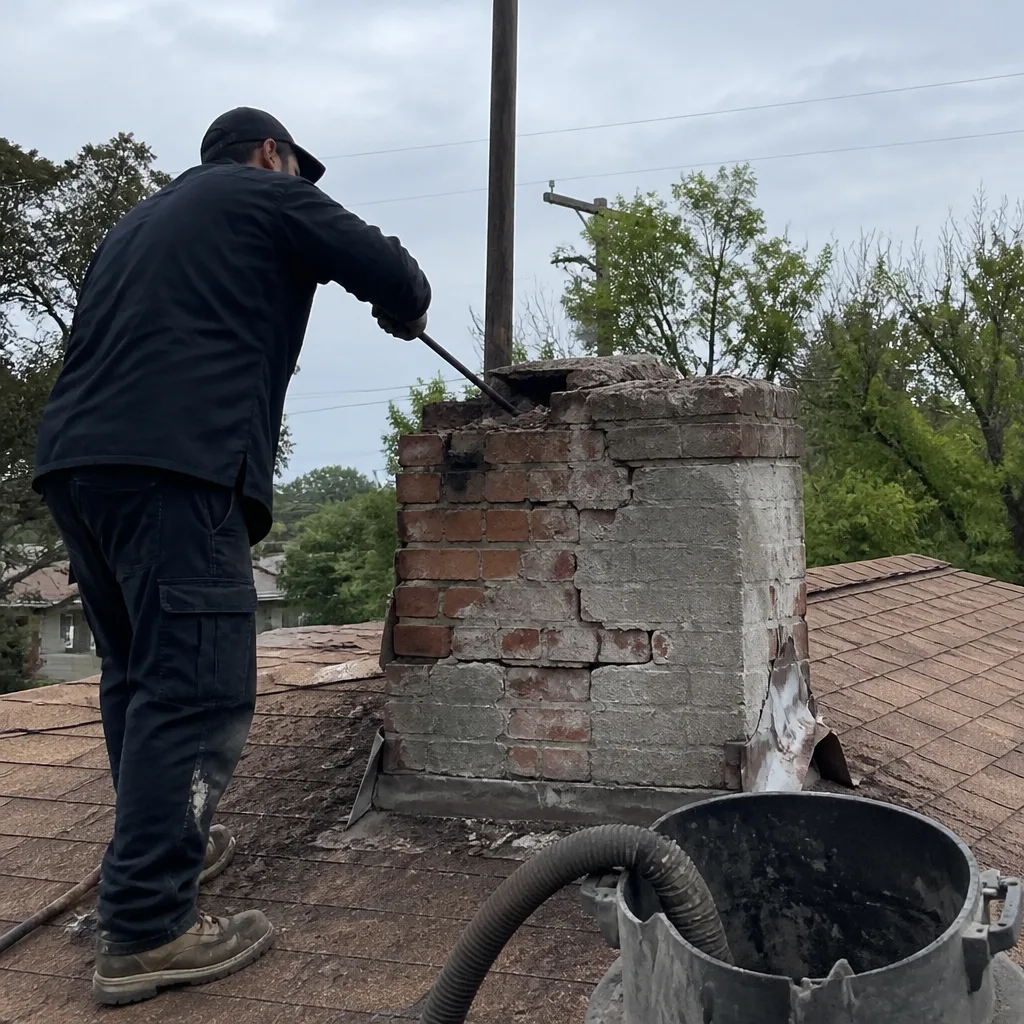
See the difference
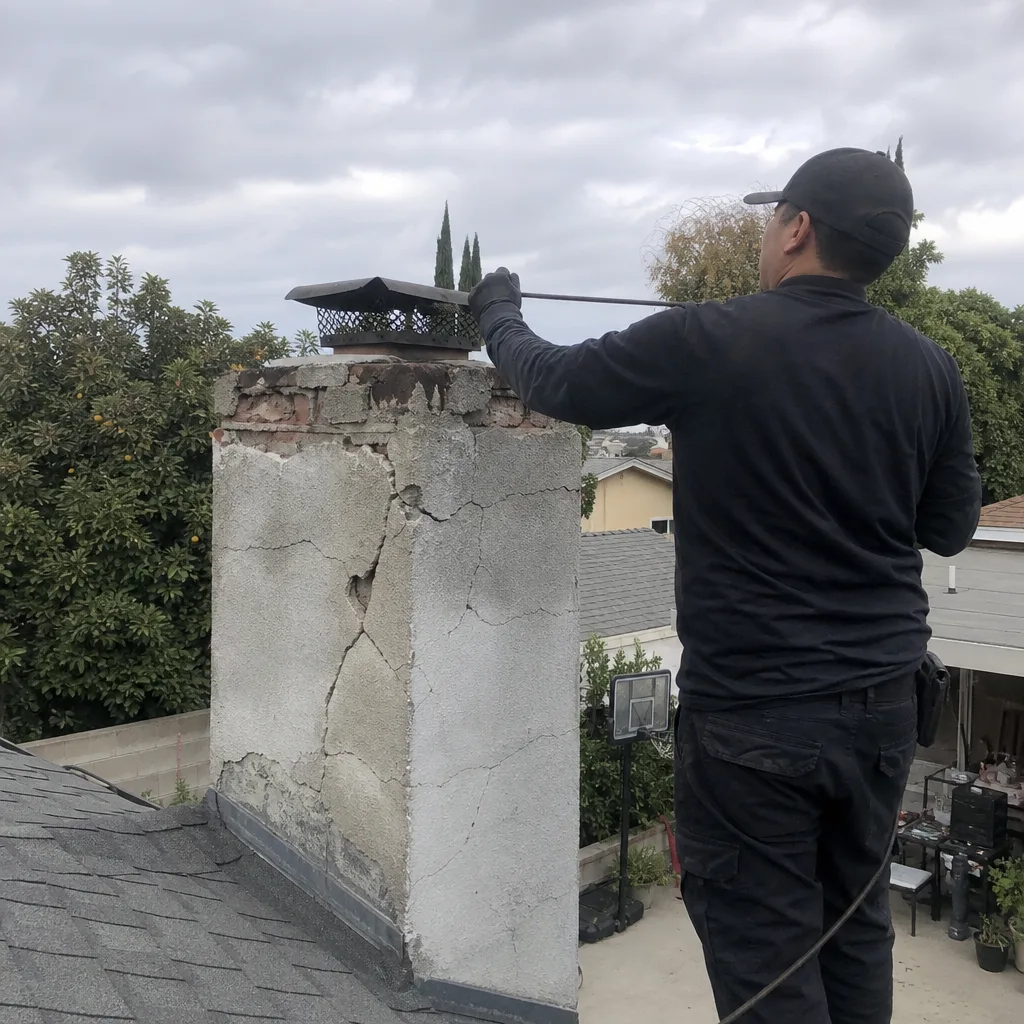 Before
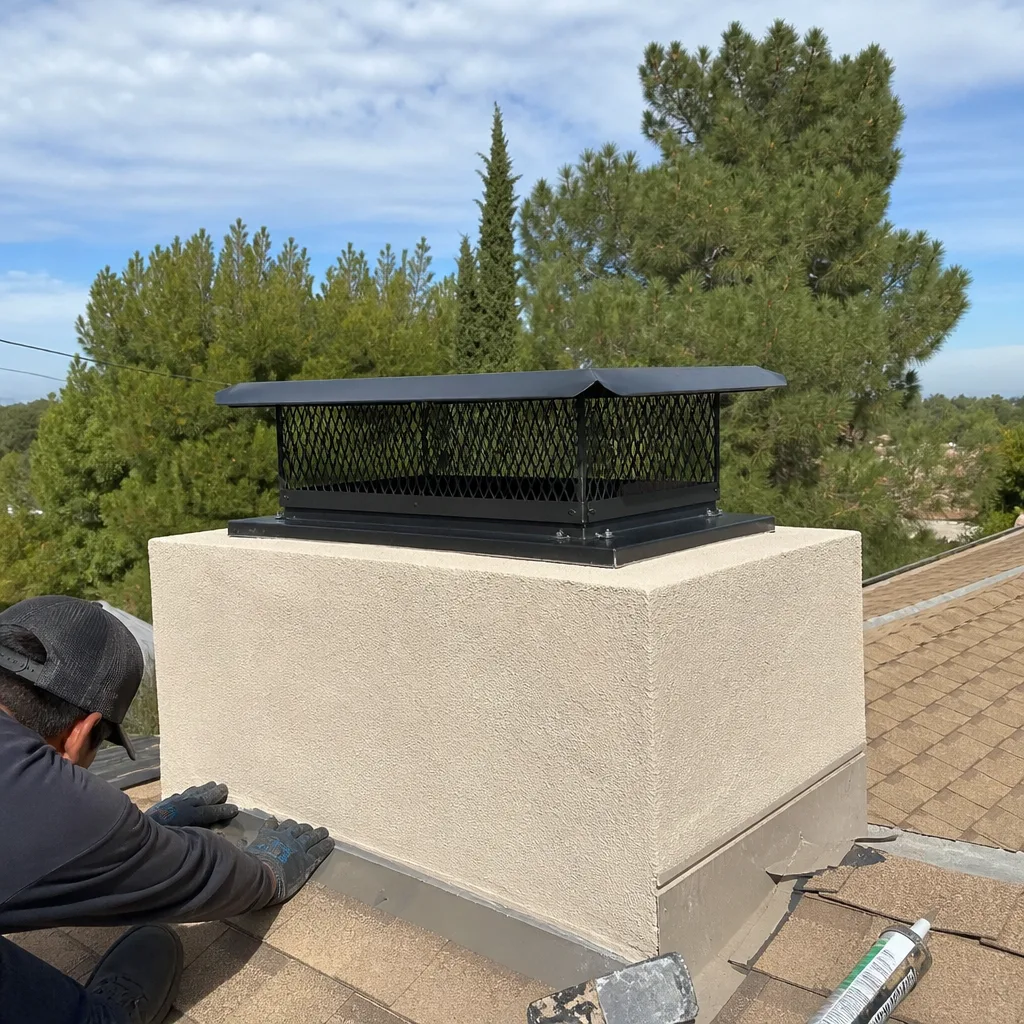 After
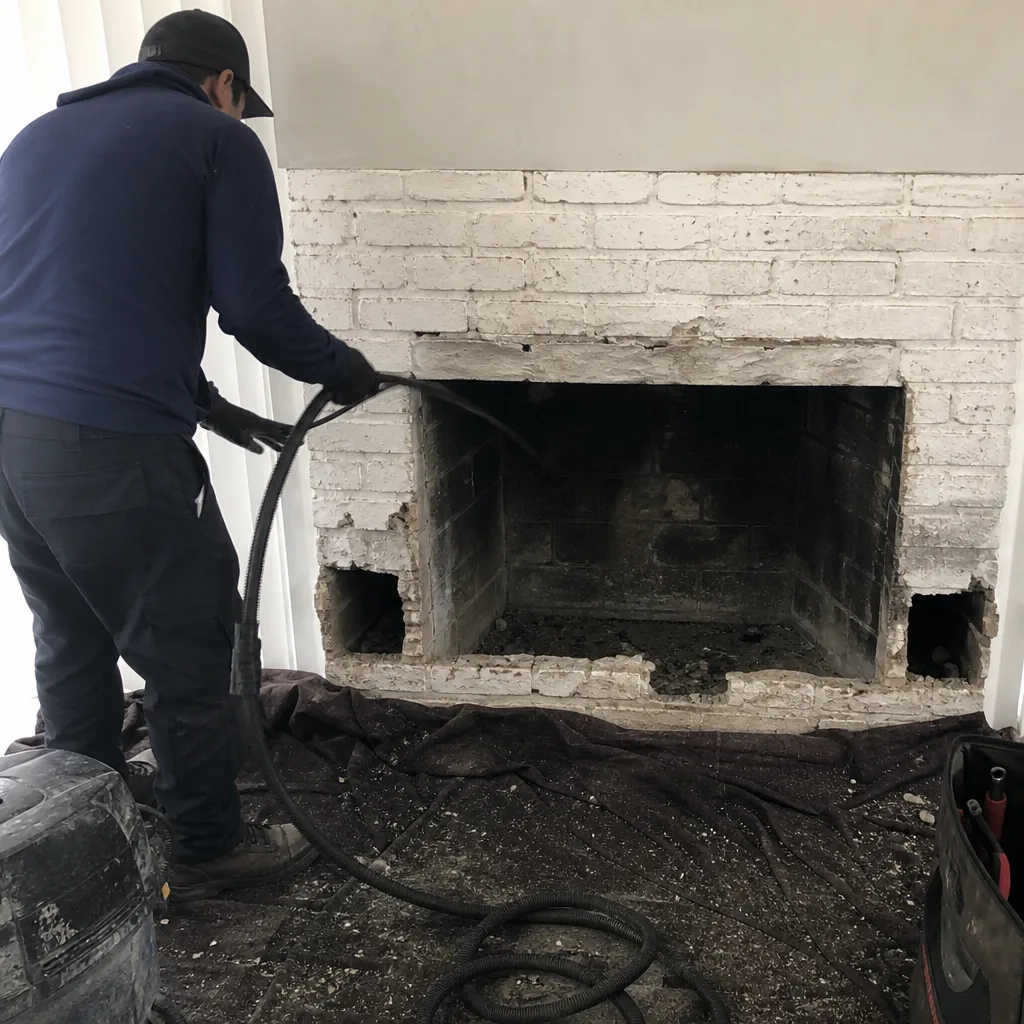 Before
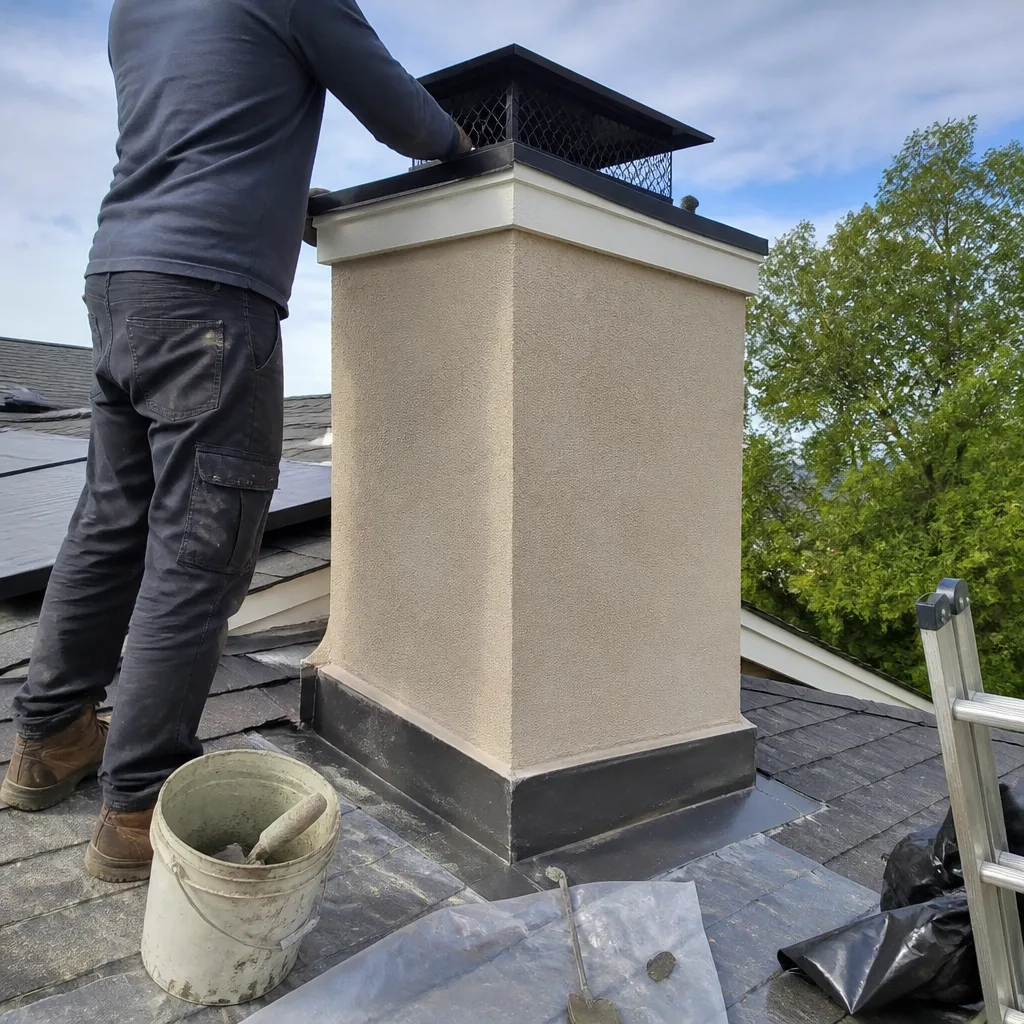 After
 Before
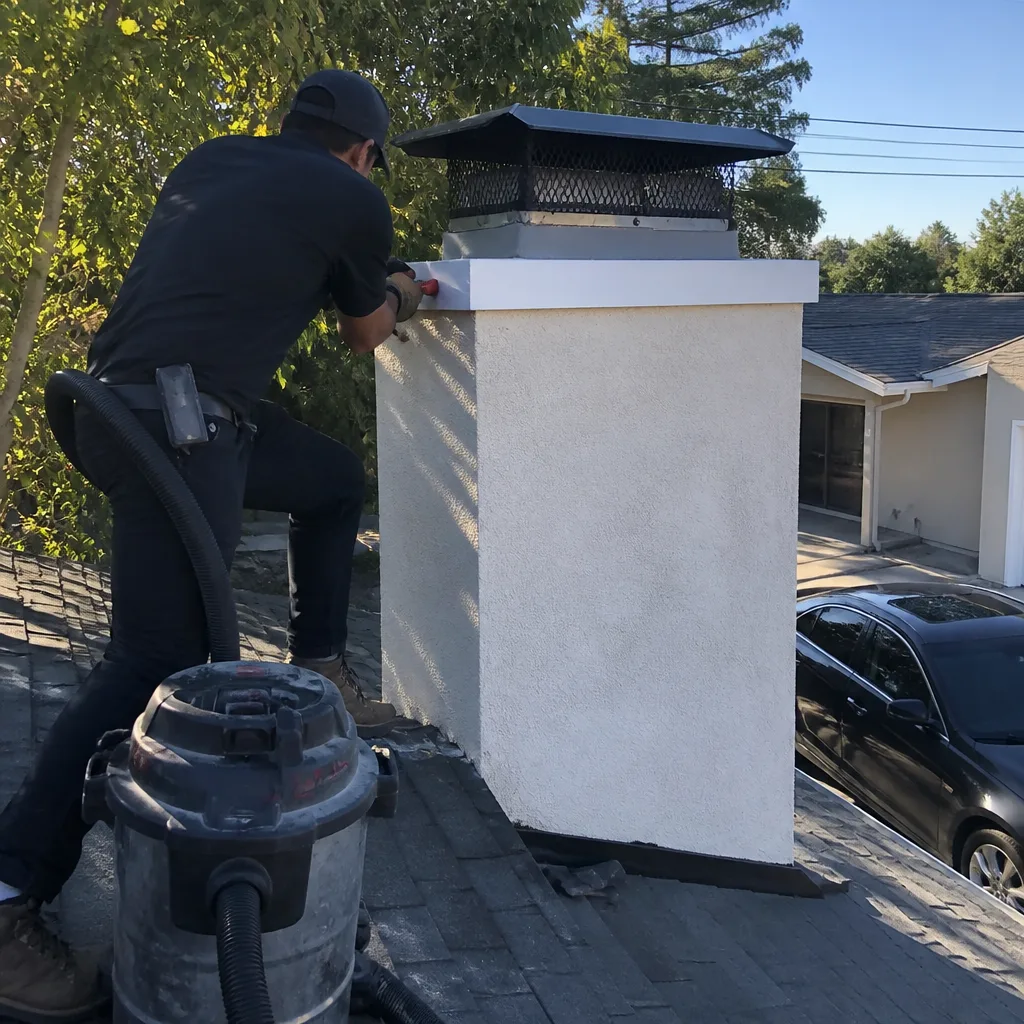 After
When to Call a Professional
Call a professional when you see something you can’t fully explain: flue debris that keeps appearing, a smoke smell in the house when the fireplace isn’t in use, visible cracks in the crown or chimney body, rust on any metal component, water in the firebox after rain, or a draft problem that comes and goes with the wind. Call when a camera inspection makes sense: if a sweep finds flaking clay liner material, if a relining recommendation is on the table, or if the chimney’s history includes years of deferred maintenance. Call when safety is in question, and call before you burn, not after the smoke comes back into the room. Chimney Sweep Reseda offers free estimates in Reseda – call (866) 562-0968.
Frequently Asked Questions
A wood-burning chimney in Reseda should be swept whenever creosote accumulation reaches 1/8 inch or more, which for most regular users means every 1 to 2 years, and for occasional users may mean every 2 to 3 years. The variable is what you burn and how often, not the calendar. The best approach is an annual inspection with a sweep performed when the inspection shows it’s needed. Call (866) 562-0968 to schedule an inspection and get a clear recommendation based on what’s actually in your flue.
Yes, because gas fireplaces in Reseda are vulnerable to marine-layer condensation and internal flue corrosion, and neither issue is visible from the living room. A gas fireplace that worked fine all season can still have a rusting flue from condensation, especially during the damp months of May through July. An annual inspection catches it early. Call (866) 562-0968 for a gas fireplace flue inspection.
A professional inspection includes an exterior roof-level assessment of the crown, cap, flashing, and upper masonry; an interior inspection of the flue, damper, smoke shelf, and firebox; and a report on the condition of each component with specific recommendations. Many inspections also include a camera check when visual access is limited. The goal is a documented baseline so that year-over-year changes become measurable. Call (866) 562-0968 to book an inspection.
HeatShield is a resurfacing system that restores and seals a clay flue liner that has minor cracking, spalling, or gaps, by applying a specialized material inside the existing liner. A full relining with a system like DuraFlex is used when the existing liner is too deteriorated for resurfacing, and involves installing a new stainless steel liner inside the flue. The right choice depends on the liner’s current condition, which is why camera inspection driving the decision matters. Call (866) 562-0968 for a liner evaluation.
Yes, and they do every year in Reseda. Sustained high winds loosen fasteners, flex metal caps until seams begin to separate, and lift universal-fit caps off flue tiles entirely. A cap that’s loose enough to rattle is a cap that’s letting water and wind into the flue. Check the cap after major wind events, and call (866) 562-0968 if you find it loose, rusted, or missing.
In our experience, yes, because August is when summer heat stress, marine-layer condensation, and the previous winter’s use are all visible at once, and there’s still enough time before burn season to make repairs deliberately. You’ll also get faster appointment availability and more flexible scheduling than the October and November rush. Call (866) 562-0968 to book an August inspection.
The Bottom Line
Reseda’s chimney care calendar is driven by the climate you actually live in: Santa Ana winds, valley heat, and marine-layer mornings. The right timing is late summer for inspection, pre-fall for preparation, and mid-winter for monitoring. The right maintenance approach is usage-based sweeping, not calendar-based sweeping. And the right repair approach is material-specific: HeatShield for restorable liners, DuraFlex for full relining, and properly specced caps and crown work for the elements. If you manage the chimney by what’s actually happening in Reseda rather than by generic seasonal advice, you’ll spend less, avoid panic repairs, and burn with confidence when the temperature drops. Explore more guides & resources for year-round chimney care.
Written by the team at Chimney Sweep Reseda, serving Reseda since 2012.