
Last updated November 2, 2026
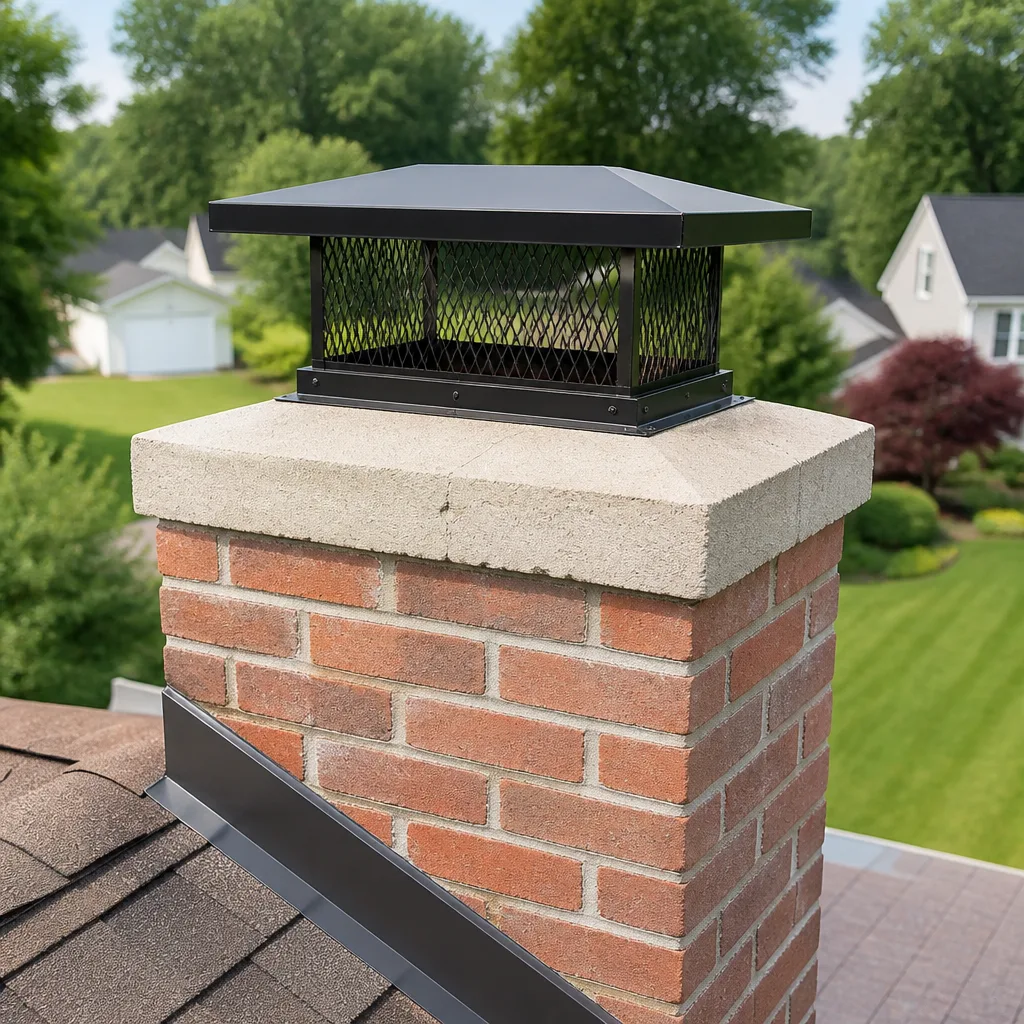 Sweep & inspection
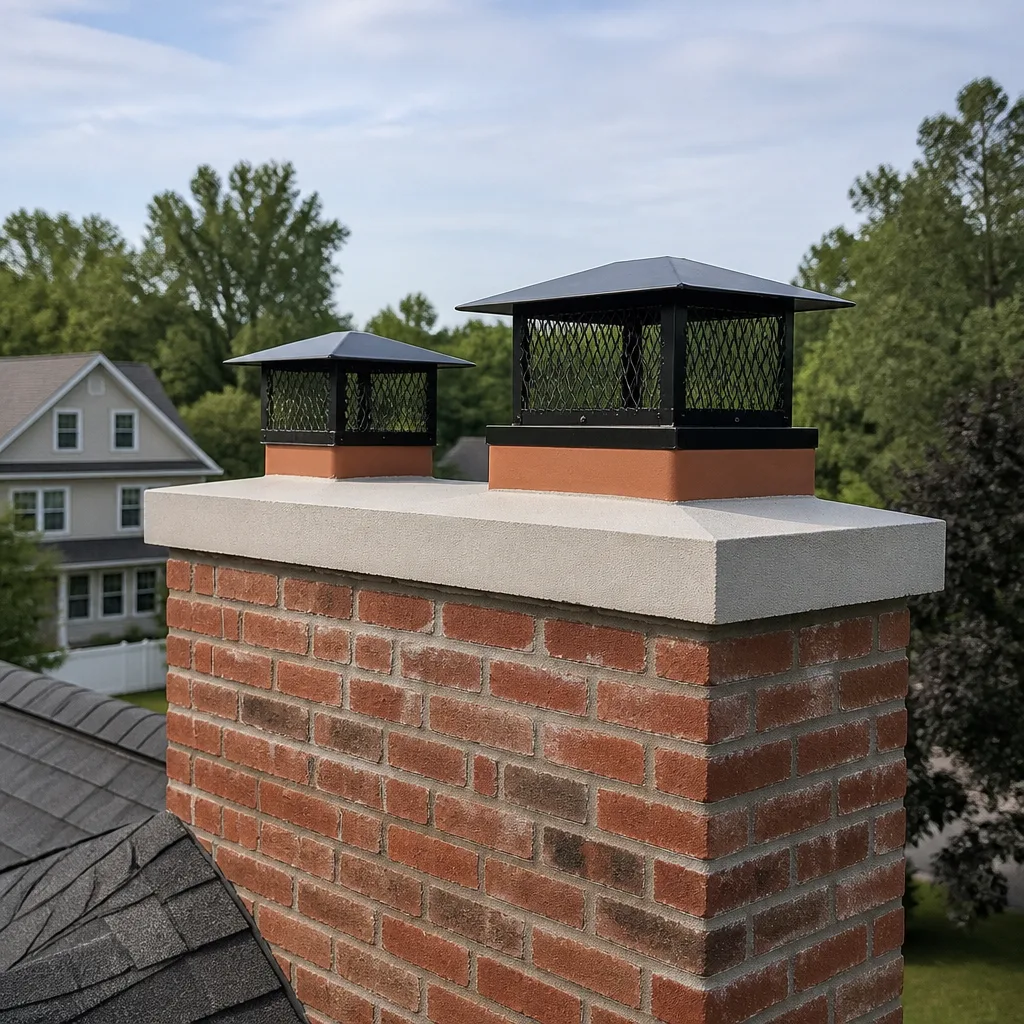 Caps & crowns
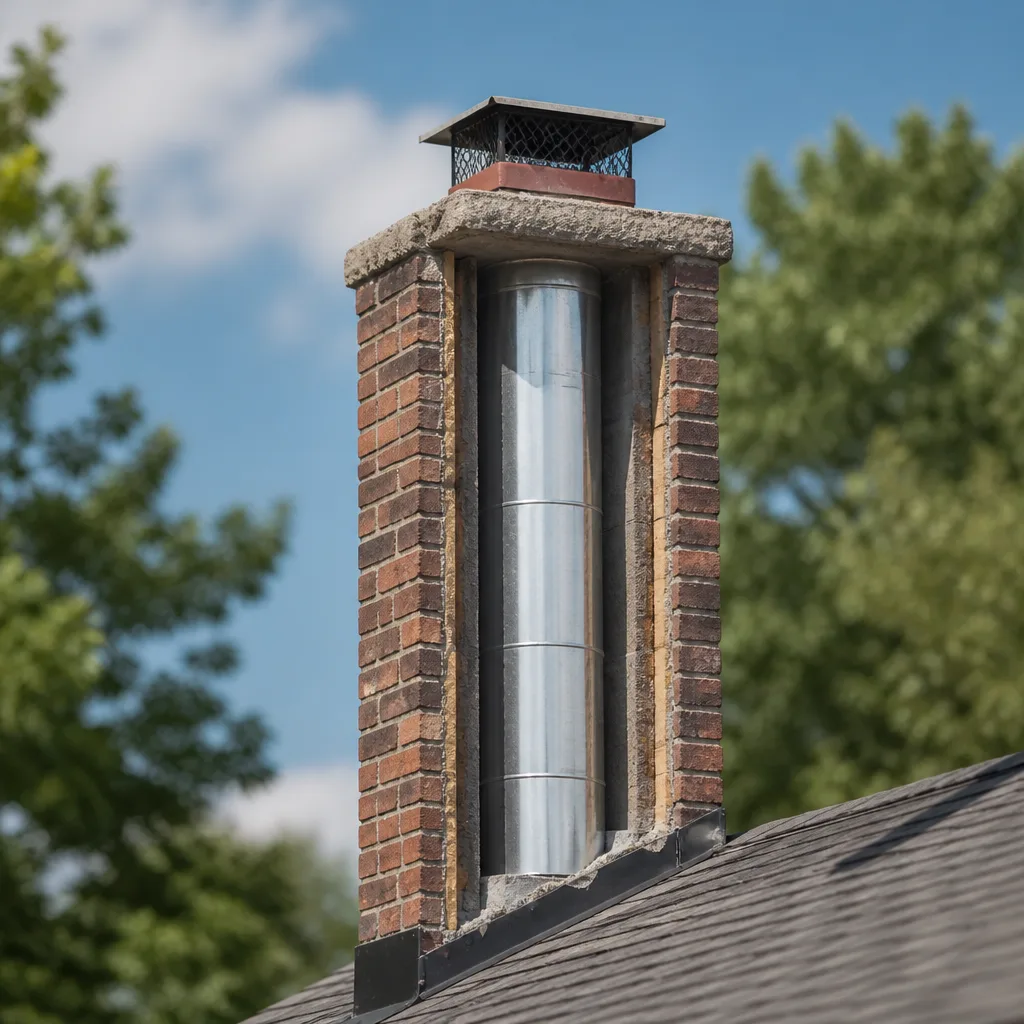 Flue relining
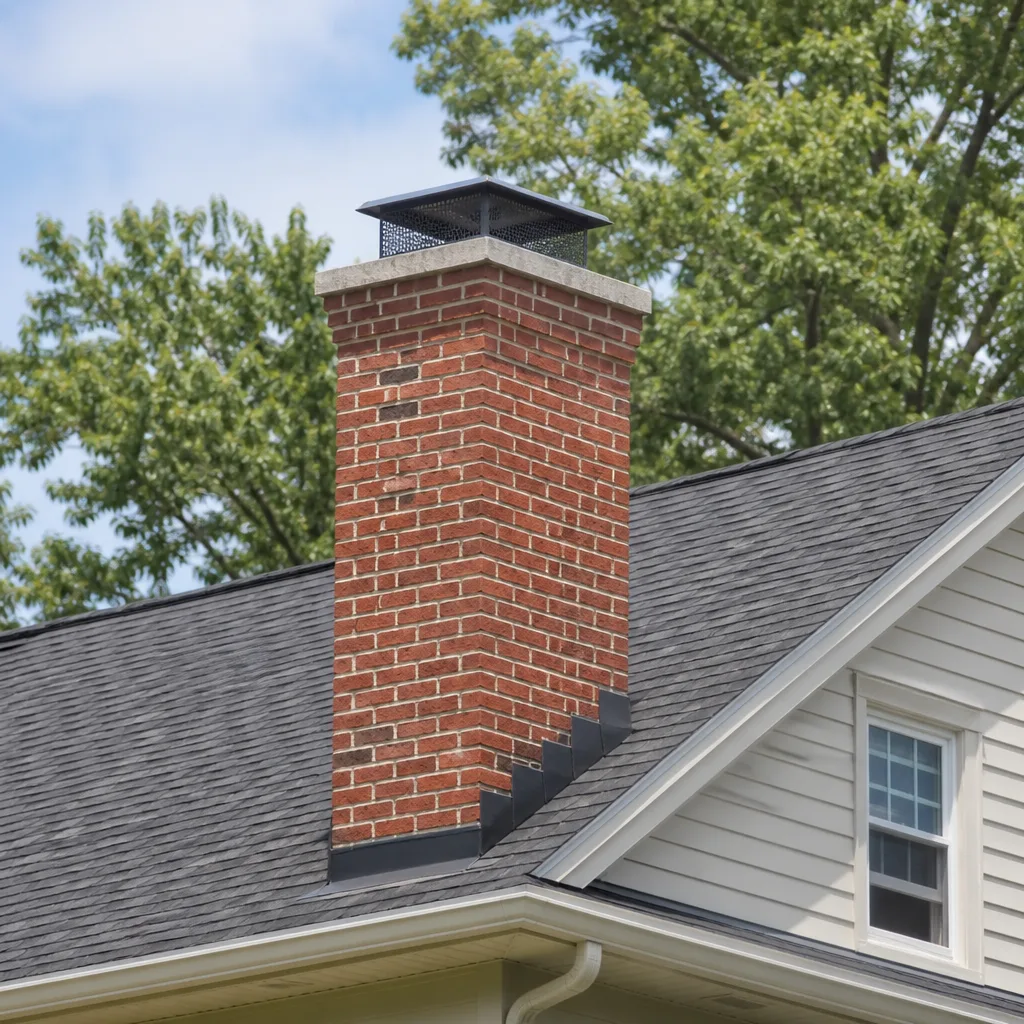 Masonry repair
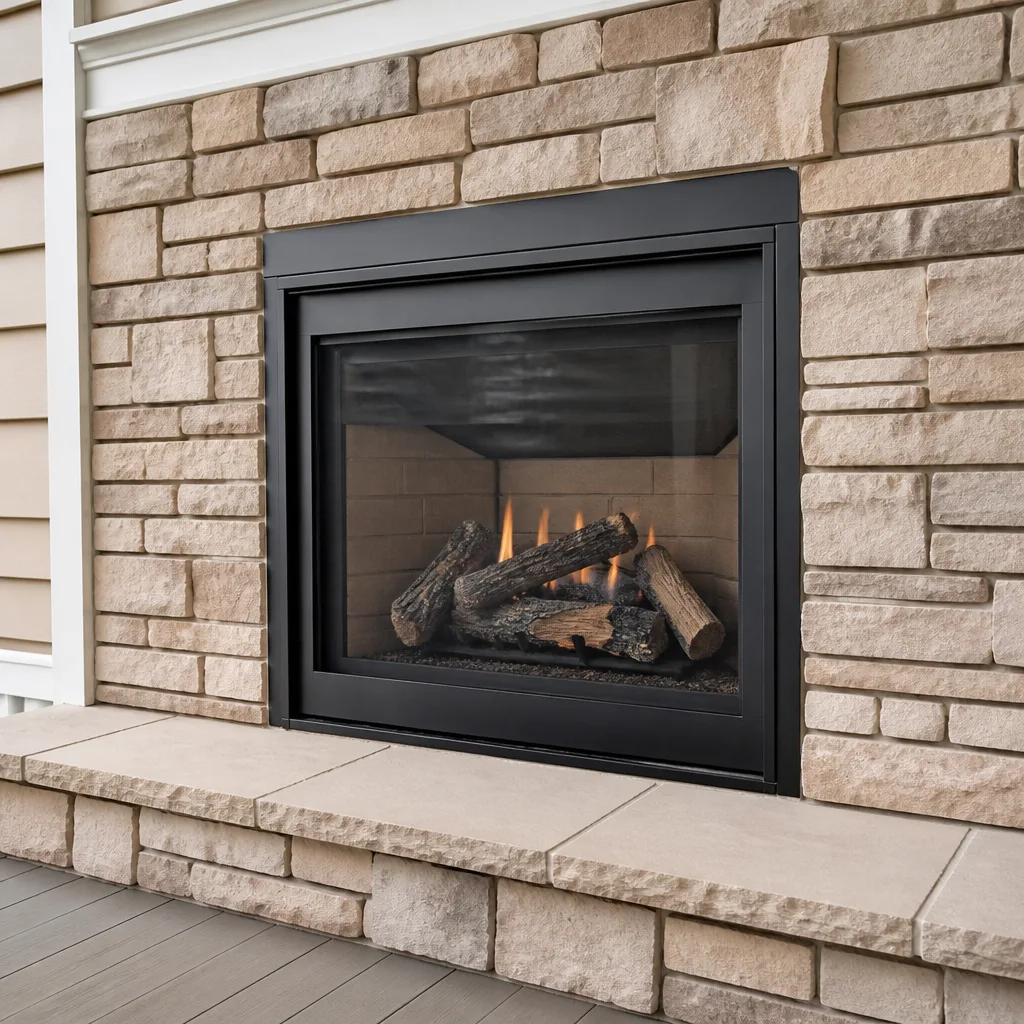 Gas fireplace service
Level 1 sweep and inspection to the NFPA 211 annual standard - flue, crown, cap, and flashing checked and photographed
Chimney sweep logs do not sweep chimneys. They loosen some creosote - which then falls where a brush and vacuum still have to collect it.
Chimney Sweep Maintenance Checklist for Reseda Homeowners
Most Reseda homeowners believe the annual sweep is the whole job. It isn’t. The checklist item that gets skipped more than any other is the 15-minute pre-season inspection of the firebox floor, and that is exactly where deteriorated refractory panels first reveal themselves, before they turn into a $900 repair. In a climate where fireplaces sit dormant for eight months at a time, the failure pattern is different from what you’d read in a guide written for Minnesota. This checklist is built around what actually happens to chimneys in the San Fernando Valley: heat-cycled mortar, Santa Ana wind damage at the crown, nesting pests in the flue, and gas log setups that haven’t been looked at since the last time it rained. By the end, you’ll know what to check, in what order, what you can handle yourself, and what genuinely needs our Chimney Sweep services.
Quick Answer
A proper chimney maintenance checklist for Reseda breaks into four parts: a pre-season firebox and damper inspection, an exterior check of the crown, cap, and flashing, a creosote and flue assessment, and a decision on whether you need a professional sweep or repair. The short version: inspect the firebox floor for hairline cracks in the refractory panels before anything else, test the damper seal with a sheet of newspaper, check the cap and crown after every major Santa Ana event, and have the flue swept at least once per burning season regardless of how little you use it. Skip the firebox inspection and a small panel crack becomes a full refractory replacement faster than you’d expect.
Styles & brands we work with
- Sweep & inspection
- Caps & crowns
- Flue relining
- Masonry repair
- Gas fireplace service
Table of Contents
- Pre-Season Startup Sequence for Dormant Reseda Chimneys
- Firebox Refractory Panels: Hairline Cracks vs. Through-Cracks
- How to Test Damper Seal Integrity With a Single Sheet of Newspaper
- Crown, Cap, and Flashing Checks After Santa Ana Winds
- Gas vs. Wood-Burning Fireplaces: Honest Frequency Guidance for Low-Use Homes
- Creosote and Flue Assessment: What You’re Actually Looking At
- What You Can Check vs. What a Sweep Should Handle
Pre-Season Startup Sequence for Dormant Reseda Chimneys
A chimney that sits unused from March through November in Reseda accumulates a specific set of problems that daily-use chimneys don’t. Heat causes the mortar joints to expand and contract, even when the fireplace isn’t on. Debris works its way through the cap screen. Birds and rodents find the flue an appealing place to nest during the quiet months. Before the first fire of the season, run through this sequence, in order.
- Open the damper and look up with a flashlight. You’re checking for visible obstruction: nesting material, dead birds, leaves, or a significant buildup of creosote. If you see anything that looks like a partial blockage, don’t light a fire. Call a sweep before using the fireplace.
- Inspect the firebox floor visually. Look at the refractory panels on the back and side walls of the firebox. These panels protect the firebox structure from direct flame heat. They’re made to withstand high temperatures, but they crack over time. We’ll cover what the two crack types mean in the next section.
- Check the damper operation. Open and close the damper fully. It should move freely without grinding or sticking. If it’s rusted in place or the handle has play, that’s a repair item, not a maintenance item.
- Look at the hearth and surrounding floor for water stains or white streaks. White mineral deposits (efflorescence) indicate water has been moving through the brick or masonry during the off-season. Water intrusion in a Reseda chimney is often from a failed crown or a cap that blew off during a Santa Ana event.
- Check gas log sets for valve operation and soot on the logs. Gas fireplaces in Reseda often run on a low setting through the winter evenings. If the flames have been sooty or the logs show black carbon buildup, the air-to-fuel mixture is off, and that needs attention before the burner or the flue is compromised.
This entire sequence takes roughly 15 minutes. It’s the single highest-value maintenance habit a Reseda homeowner can adopt, because it catches the problems that are cheap to fix and expensive to ignore. We’ve seen firebox panels with hairline cracks go from $180 repair to a $900 full replacement in a single season because the homeowner never looked at the floor of the firebox.
Firebox Refractory Panels: Hairline Cracks vs. Through-Cracks
Refractory panels line the firebox and absorb direct heat. They’re not decorative. They’re the difference between a contained fire and heat migrating into the framing of your house. When these panels crack, the question isn’t whether to fix them, it’s how urgently.
Hairline cracks are the kind you can barely catch with a fingertip. They run across the panel surface but don’t penetrate through the material. These are generally cosmetic at first, but they’re a signal that the panel has begun to fatigue. In our experience with Reseda chimneys, hairline cracks are common after several seasons of use, particularly on the back wall of the firebox, which takes the direct blast of heat. You don’t need to replace a panel for hairline cracks immediately, but you should note their location and monitor them each season. A panel with hairline cracks can still serve for several more burning seasons if the cracks aren’t widening.
Through-cracks are different. If you can see daylight, or the crack opens enough to slide a credit card edge into it, the panel has failed structurally. Heat passes through that gap and reaches whatever is behind the panel. In most Reseda homes built before 1980, that means brick or structural masonry, which isn’t designed to take direct flame contact. Through-cracks require replacement before the next fire. There’s no safe wait-and-see position on this one.
Replacement refractory panels are matched to the dimensions of your firebox, not the dimensions of whatever panel is available at the local hardware store. The material matters too, which is why we specify panels from suppliers like Olympia Chimney and Copperfield rather than generic substitutes. The wrong panel material will fail in two seasons and you’ll be back in the same position. The right panel, matched and installed correctly, lasts for years.
How to Test Damper Seal Integrity With a Single Sheet of Newspaper
The damper is the flue’s only control. When it’s open, smoke and combustion gases exit. When it’s closed, it should form a seal that prevents heated air from your home from drafting up the chimney. Most Reseda homeowners have never tested their damper seal, and a poor seal quietly costs heating and cooling money all year round.
Here’s the test. Take a single sheet of newspaper and close the damper. Open the fireplace glass doors or screen. Hold the sheet of newspaper in the firebox, near the top where the damper plate sits. Now watch it. If the newspaper moves, flutters, or gets drawn upward, air is moving past the damper. That means the seal is compromised.
A poor seal means two things. In winter, heated air from your furnace or heat pump travels up the chimney and out of the house. In summer, hot air from outside works its way in. You’re paying to condition air that isn’t staying in the house. The fix can be as simple as replacing the damper gasket or as involved as replacing the damper assembly, depending on the age and type of the damper.
Beyond the energy cost, a failed damper seal can also indicate the damper plate itself is warped from heat. We see this in older Reseda homes where the fireplace was used heavily in the 1970s and 1980s, then the damper was left closed for decades. The test takes 30 seconds. If it fails, add damper repair to the list before burning season.
Crown, Cap, and Flashing Checks After Santa Ana Winds
Santa Ana events are the single most aggressive weather force acting on Reseda chimneys. Sustained 40 to 60 mph winds, with higher gusts, hit the crown and cap from every direction. Debris gets driven into the flue opening. Flashing gets lifted. Caps get bent or blown off entirely. A chimney that passed inspection in October can be compromised by Thanksgiving if a strong Santa Ana came through in the interim.
After any major wind event, do a visual exterior check from the ground. You’re looking for three things.
- The cap. It should sit square on the flue tile or chase and show no signs of being lifted or shifted. A bent cap is letting rain, debris, and possibly animals into the flue.
- The crown. This is the concrete or mortar surface at the top of the chimney, around the flue. Look for cracks, spalling (surface flaking), or pieces that appear to have broken away. A cracked crown admits water, and water is the most destructive long-term force on a masonry chimney.
- The flashing. Where the chimney meets the roofline, you should see metal flashing that’s flat against the brick with no gaps. If the flashing has lifted, water runs down the chimney chase into the roof deck.
If you see any of these conditions, don’t wait until the next sweep to mention it. Call a sweep and have the exterior of the chimney looked at before it rains. Water damage accelerates geometrically. A small flashing gap in October becomes swollen roof sheathing and a stained ceiling by February if it’s ignored through the wet season.
For cap and cover replacements, we use products from Famco and Gelco. These are galvanized and stainless steel components built to survive exactly the kind of wind loading a Reseda chimney takes, and they’re sized to match the flue rather than cut to fit on-site. A properly sized cap protects the flue from water entry without restricting draft, and that’s a distinction that matters more than most homeowners expect.
Gas vs. Wood-Burning Fireplaces: Honest Frequency Guidance for Low-Use Homes
The standard recommendation for chimney sweeping is “once per year,” but that’s built for cold-climate homes burning cordwood daily. Reseda is different. So the honest answer depends on what you burn and how often.
Wood-burning fireplaces used more than a dozen times per season: sweep once per burning season, ideally in the fall before the first fire. Burning wood produces creosote, which condenses on the flue walls and builds up over time. Even in a low-use Reseda household, a dozen fires is enough to leave a measurable creosote layer. The risk isn’t just chimney fire; heavy creosote also reduces draft, which means smoky fires and carbon monoxide backdrafting into the living space.
Wood-burning fireplaces used occasionally (under a dozen fires per season): every two years is adequate in most cases, provided you’re doing the pre-season firebox and flue inspection each year and keeping the cap intact. But this is the exact situation where the pre-season check matters most, because the flue is sitting dormant with whatever creosote is already there, and animals have months to move in.
Gas log fireplaces and gas inserts: gas doesn’t produce creosote, but it does produce soot and corrosive condensation. Gas logs should be checked by a professional at least every two years, and the firebox and log set cleaned at the same interval. The venting system can accumulate soot to the point where draft falls off, and that’s a carbon monoxide concern. We recommend annual inspection for any gas fireplace that runs more than a few hours per week during the winter.
The point of a frequency guideline is not to sell more sweeps. It’s to match the maintenance to the actual use pattern. In our experience with Reseda homes, the most common problem isn’t under-sweeping. It’s that the fireplace sits idle all summer, and the first cold evening in November sends the homeowner to light a fire in a chimney that hasn’t been inspected since the previous year. The pre-season sequence we outlined earlier covers that gap.
Creosote and Flue Assessment: What You’re Actually Looking At
When a sweep says “your flue is clean” or “your flue has creosote buildup,” it helps to know what those words mean physically. Creosote is a byproduct of incomplete wood combustion. It starts as a sticky, dark residue and hardens over successive heating cycles. There are three stages, and the stage determines both the cleaning method and the urgency.
Stage 1: a light, flaky soot layer. This is normal and easily removed with routine sweeping. If you’re seeing Stage 1 buildup on an annual inspection, your burning habits are fine and the flue just needs standard cleaning.
Stage 2: a thicker, crusty layer that resembles baked-on carbon. This requires more aggressive brushing, and it usually means the wood isn’t burning hot enough, or the fireplace is being used with the damper partially closed. We see Stage 2 in Reseda wood-burners who burn construction scrap or green brush, or who close the damper too far to hold heat.
Stage 3: a hard, glossy, tar-like layer that resists brushing and requires chemical treatment or mechanical removal. Stage 3 is a chimney fire risk, plain and simple. If your flue has Stage 3 creosote, the next fire could ignite it, and a chimney fire burns at temperatures high enough to crack flue tiles and transfer heat into the house framing.
You can’t assess creosote stage from the firebox. You need a flue inspection, which is part of every professional sweep. The sweep runs a brush through the flue, but before that, they should be looking at the flue walls with a light and, ideally, a camera. Knowing what stage of creosote you have tells you whether this is routine maintenance or a situation that needs corrected before another fire gets lit.
What You Can Check vs. What a Sweep Should Handle
The dividing line between homeowner maintenance and professional work is simple: you should inspect, and a professional should clean and repair. A homeowner can look at the firebox, test the damper, check the cap from the ground, and note anything that looks wrong. A homeowner should not attempt to disassemble a cap, scrape creosote from the flue, or patch a crown with hardware-store sealant. Here’s why.
Creosote removal requires specialized brushes sized to your flue dimensions, and it kicks up fine particulate that should be captured, not released into your living room. Working on a cap or crown means getting on the roof, which is a fall hazard, and the repairs require materials specified for high-temperature masonry exposure. The sealant at the hardware store is not rated for chimney crowns, and it will fail inside of a season.
The safety element matters too. Chimneys in Reseda are often attached to two-story homes with steep roof pitches. A homeowner who goes up to inspect a cap after a Santa Ana is taking on risk that a professional handles with fall protection equipment and training. The inspection from the ground is safe. The work on the roof is not.
This is the entire logic of bringing in a professional sweep for the things you can’t safely or correctly do yourself. When we sweep a chimney in Reseda, we’re checking the flue in ways the homeowner physically can’t, using tools that are sized to the system, and documenting what we find so the homeowner can see the evidence rather than taking someone’s word for it. The pre-season checklist we’ve outlined here is not a replacement for professional service. It’s the companion to it. Do your 15-minute inspection. Flag anything that looks off. Then make the call and get the flue actually swept and assessed before the burning season hits.
Common Mistakes to Avoid
- Skipping the firebox floor inspection. Refractory panel deterioration starts where you can’t see it unless you look down. Hairline cracks turn into through-cracks fast, and the repair cost triples.
- Ignoring the cap after Santa Ana winds. Reseda is a wind corridor. A cap that’s bent or shifted lets water and animals into the flue, and water damage is the slow killer of chimney systems.
- Lighting the first fire without checking for animal nests. Birds, squirrels, and roof rats move into dormant flues during the warm months. The first fire of the season can smoke out the house or, worse, ignite the nesting material.
- Closing the damper too far to “hold heat.” A partially closed damper cools the flue gases and accelerates creosote formation. The damper should be fully open during any fire.
- Using the fireplace to burn construction scrap or treated wood. Pressure-treated lumber and painted wood release corrosive compounds that damage the flue and significantly increase creosote production.
- Waiting until you smell smoke to schedule a sweep. By the time draft is compromised, you’ve already got a creosote or obstruction problem. The sweep should happen before the symptoms appear.
- Assuming a gas fireplace needs no maintenance. Gas fireplaces and inserts produce soot and corrosive condensate. They need inspection and cleaning on a schedule, just less often than wood-burning systems.
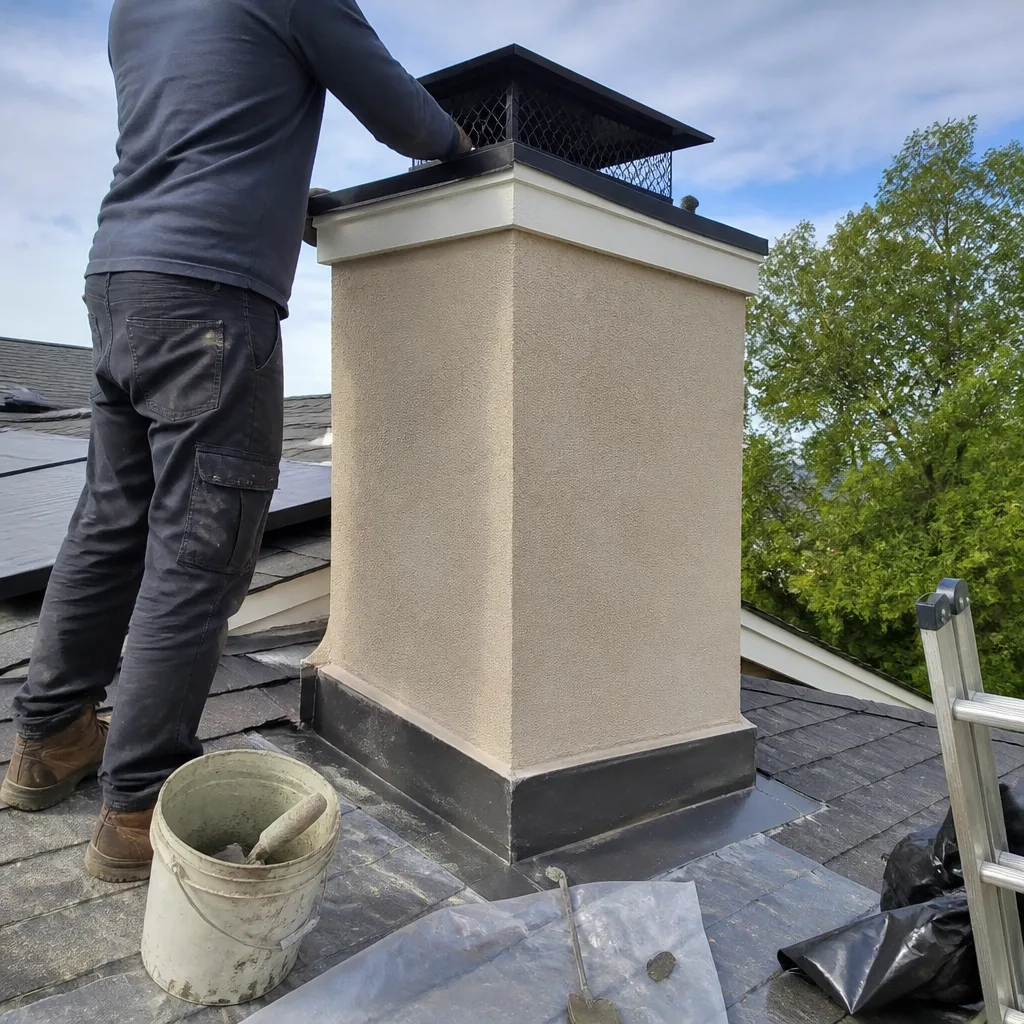
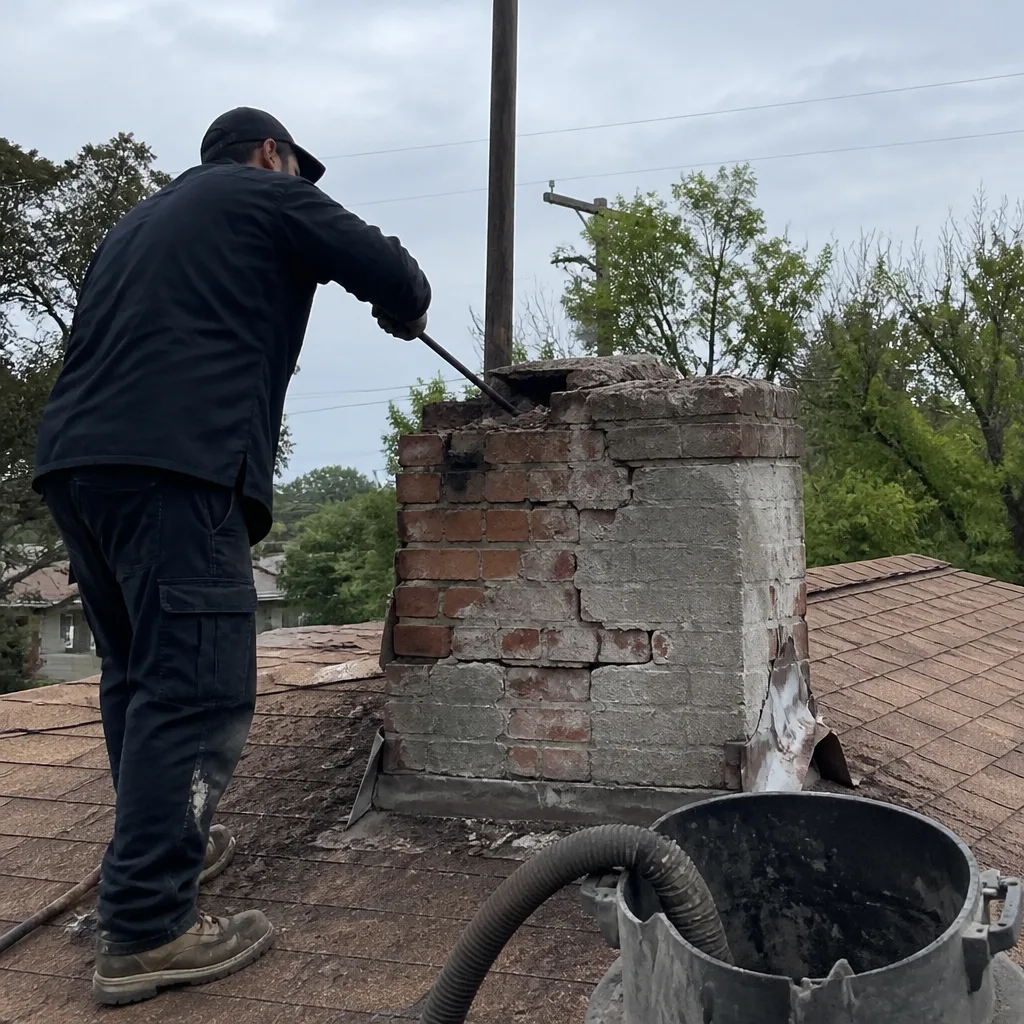
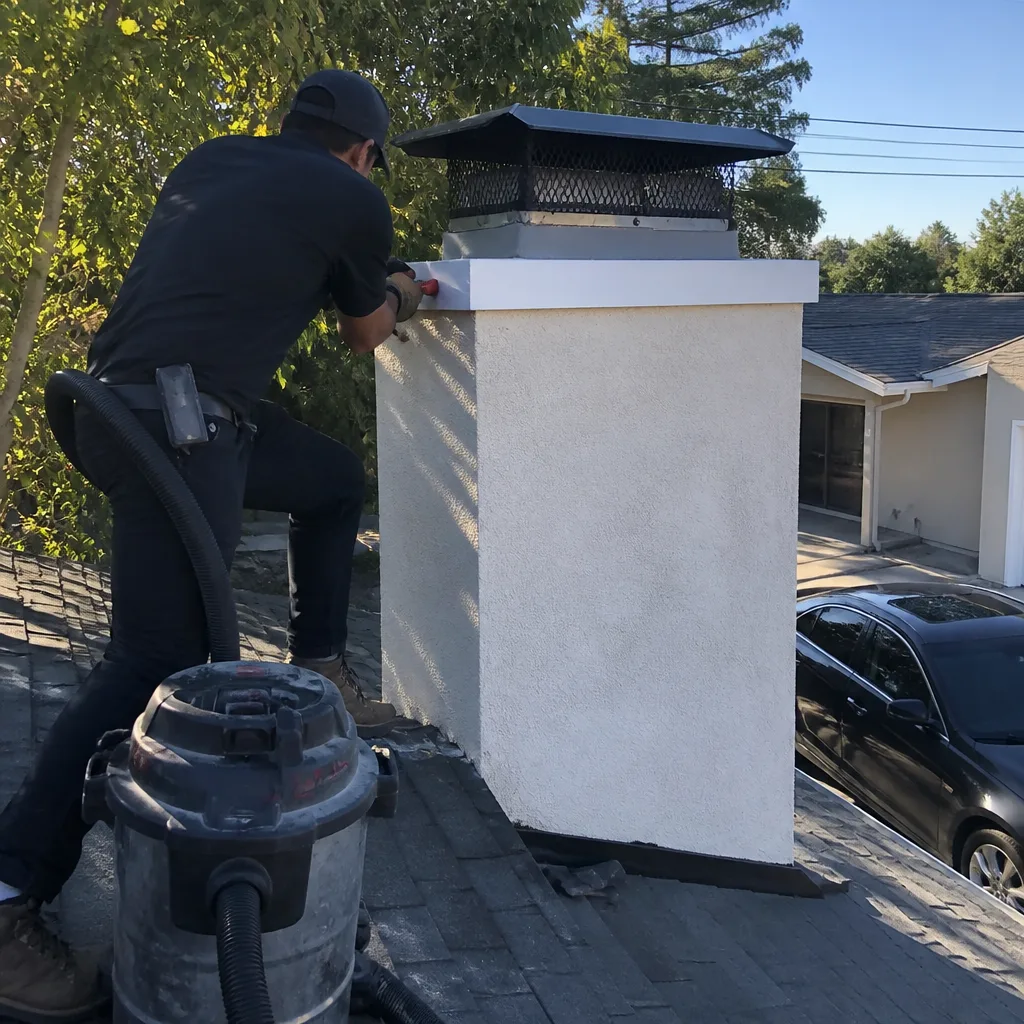
See the difference
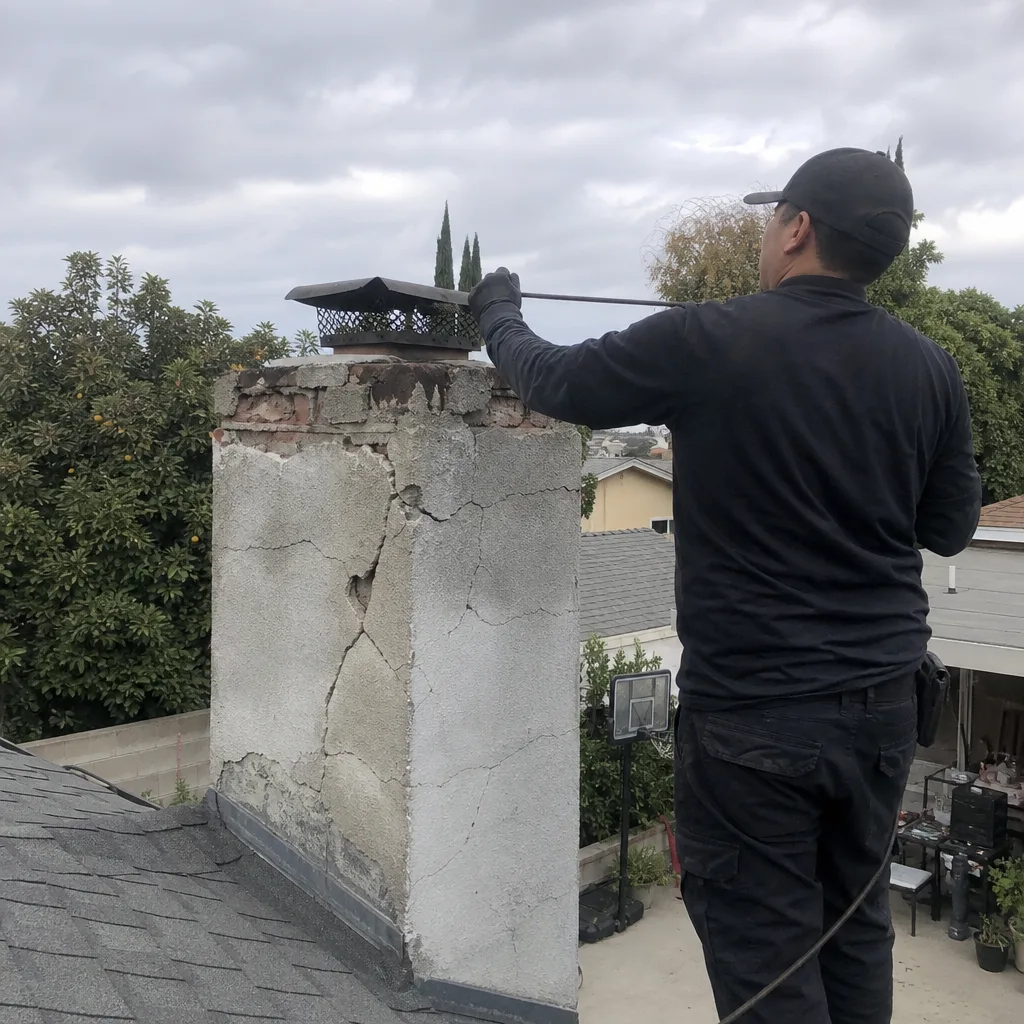 Before
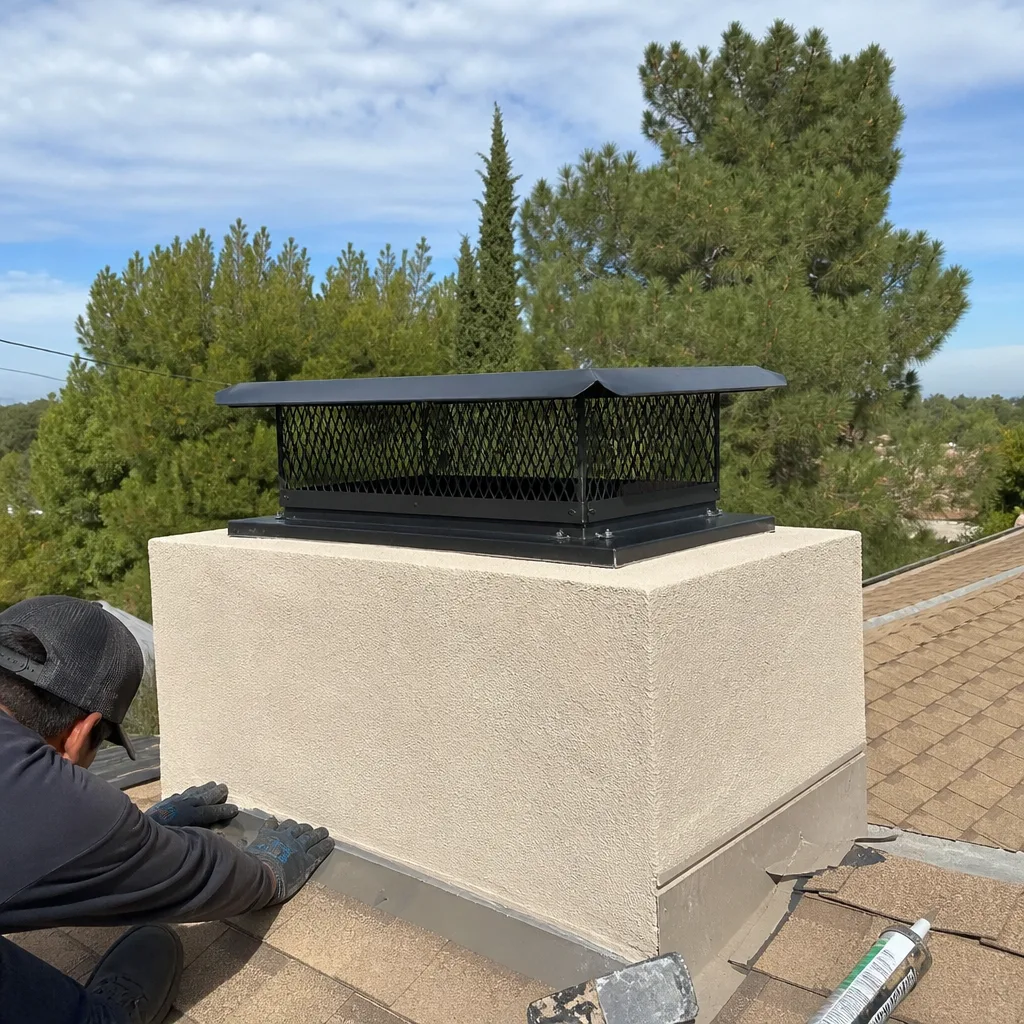 After
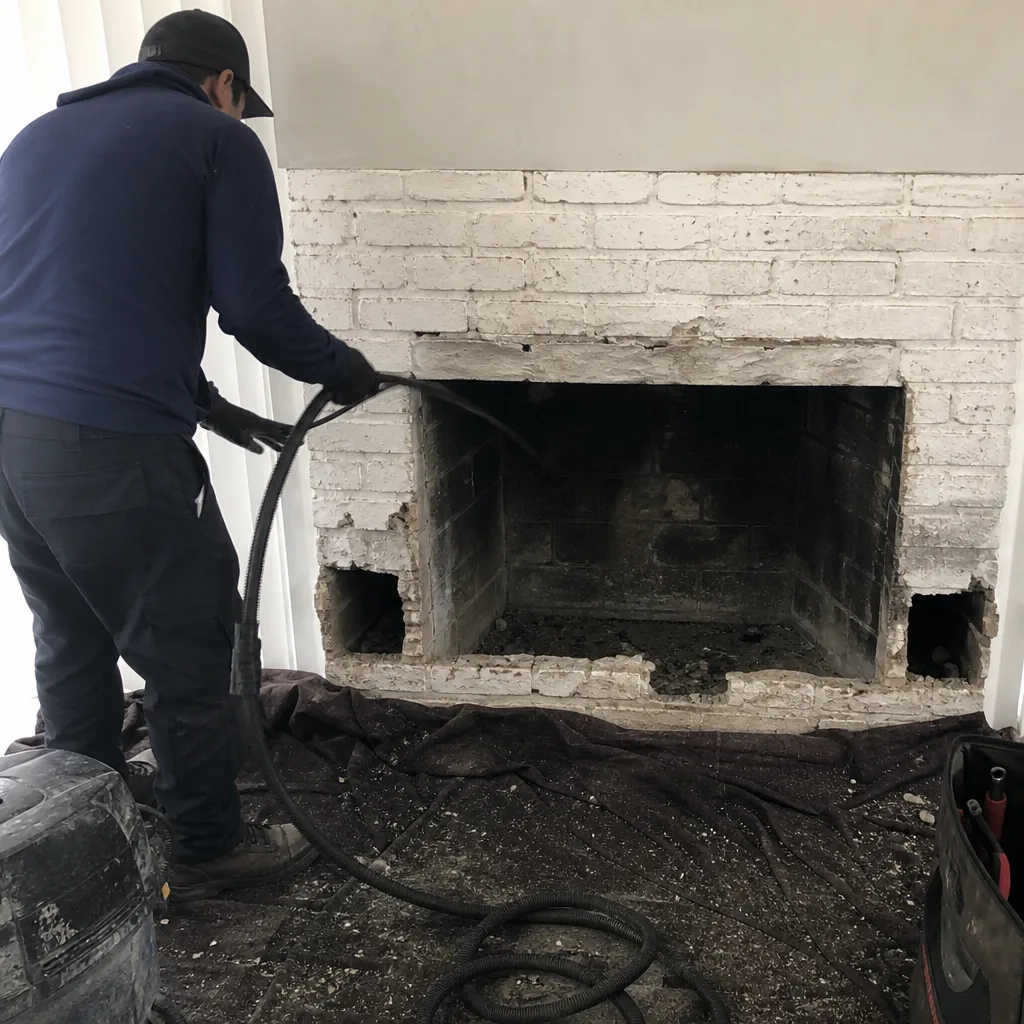 Before
 After
 Before
 After
When to Call a Professional
Call a sweep if you find a through-crack in the refractory panels, if the damper test fails, if the cap is bent or missing, if you see Stage 2 or Stage 3 creosote during a flue check, or if the fireplace has been used for more than a season without an inspection. Don’t light a fire in a chimney you haven’t looked at since the previous winter. The pre-season sequence in this guide is the right starting point. From there, let a trained sweep do the actual cleaning, flue assessment, and any repair work. Chimney Sweep Reseda offers free estimates in Reseda. Call (866) 562-0968 to schedule a sweep or get a second opinion on a repair recommendation.
Frequently Asked Questions
A standard chimney sweep in Reseda typically runs between $150 and $250 for a straightforward cleaning, with additional cost if the flue has heavy creosote buildup or requires extra brushing passes. The price is set by the flue’s condition, not by the square footage of the house. Call (866) 562-0968 for an exact quote. Estimates are free.
Not always. A cracked clay tile liner can sometimes be restored with a HeatShield resurfacing process, which seals the cracks without requiring a full relining. In other cases, a full relining with a DuraFlex flexible liner system is the right call. What matters is that someone shows you the camera footage of the crack and explains why the specific failure mode calls for one solution or the other. Get a second opinion from a sweep in Reseda who uses both systems and can show you evidence for the recommendation, or read Choosing the Right Chimney Cleaning Brand: A Buyer’s Guide for Reseda.
Wood-burning fireplaces should be swept at least once per burning season if you use them more than a dozen times per year, and at least every two years if you’re a light user. Gas fireplaces should be inspected and cleaned every two years at minimum. The pre-season inspection we’ve outlined in this guide should happen every year regardless of sweep frequency.
Two things happen. Creosote builds up until it either reduces draft or becomes a chimney fire risk, and small problems like hairline refractory cracks worsen until they become expensive repairs. A chimney fire can crack the flue liner and transfer heat into the house framing, and by the time you see evidence of that, the repair is no longer a sweep. The sweep is the cheapest intervention point in the life of a chimney system.
Yes. You can inspect the firebox floor, test the damper, and visually check the cap and crown from the ground. You cannot accurately assess creosote buildup or flue liner condition without a professional inspection. The homeowner checks the accessible components. The sweep checks the ones that require a roof or flue entry.
Some do. Chimney Sweep Reseda is unusual in that chimney sweeping and dryer vent cleaning in Reseda run through the same crew and the same service call. Why that matters: a clogged dryer vent is the other major residential venting fire hazard, and consolidating both under one service relationship reduces the coordination cost of managing two separate contractors. If your dryer takes longer than 40 minutes to dry a load, use the same phone call to have the vent checked.
The Bottom Line
Chimney maintenance in Reseda is not about following a generic once-a-year checklist. It’s about knowing the failure points that are specific to how chimneys in the San Fernando Valley actually fail. Inspect the firebox floor before every burning season. Test the damper with a sheet of newspaper. Check the cap and crown after every Santa Ana event. Sweep the flue on a schedule that matches your real usage pattern – not a national average – and have a professional look at anything you can’t see or reach yourself. Do all of that, and your fireplace stays a safe, working feature of your home. Skip even one of these items, and you’re gambling on a repair bill that was preventable, and visible, months before it happened. For more guides & resources, visit our blog.
Written by the team at Chimney Sweep Reseda, serving Reseda since 2012. For more on our services, see our guides to chimney sweeping in Reseda.