
Last updated November 2, 2026
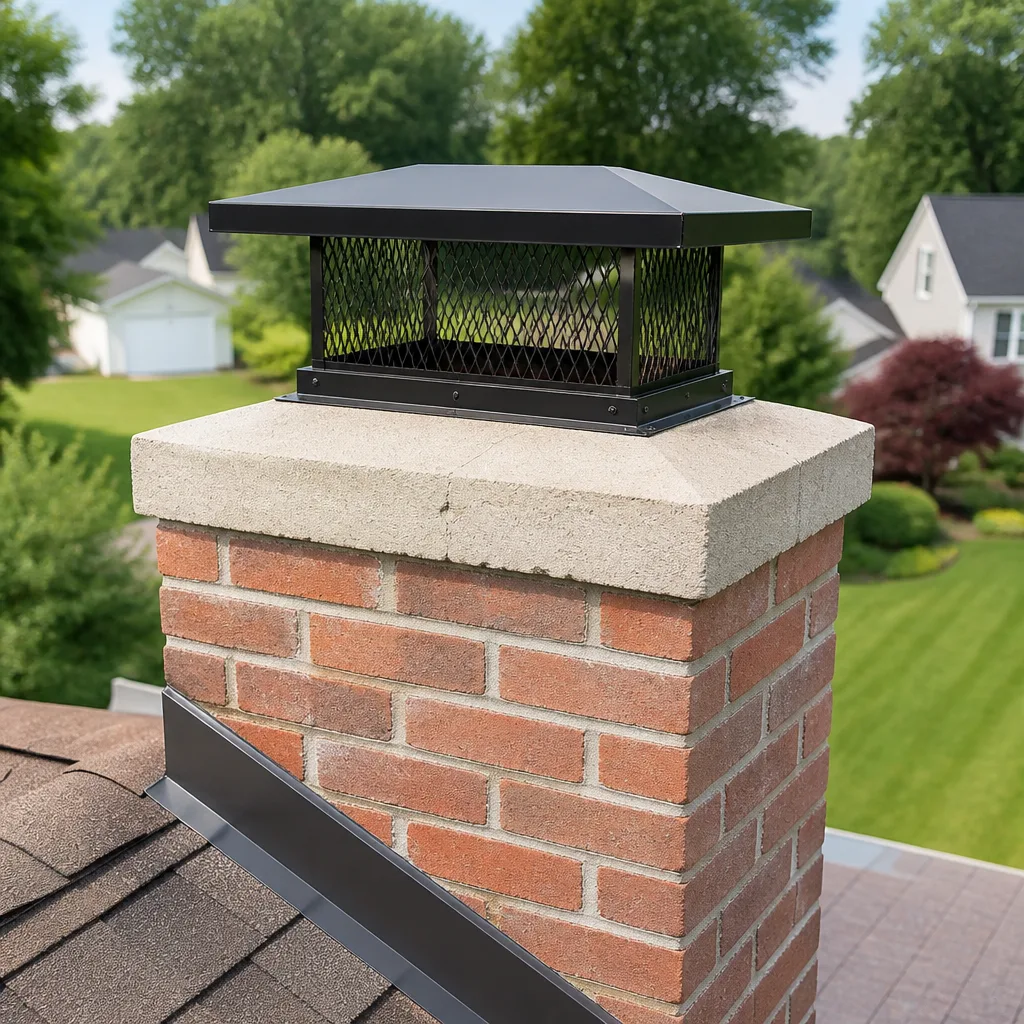 Sweep & inspection
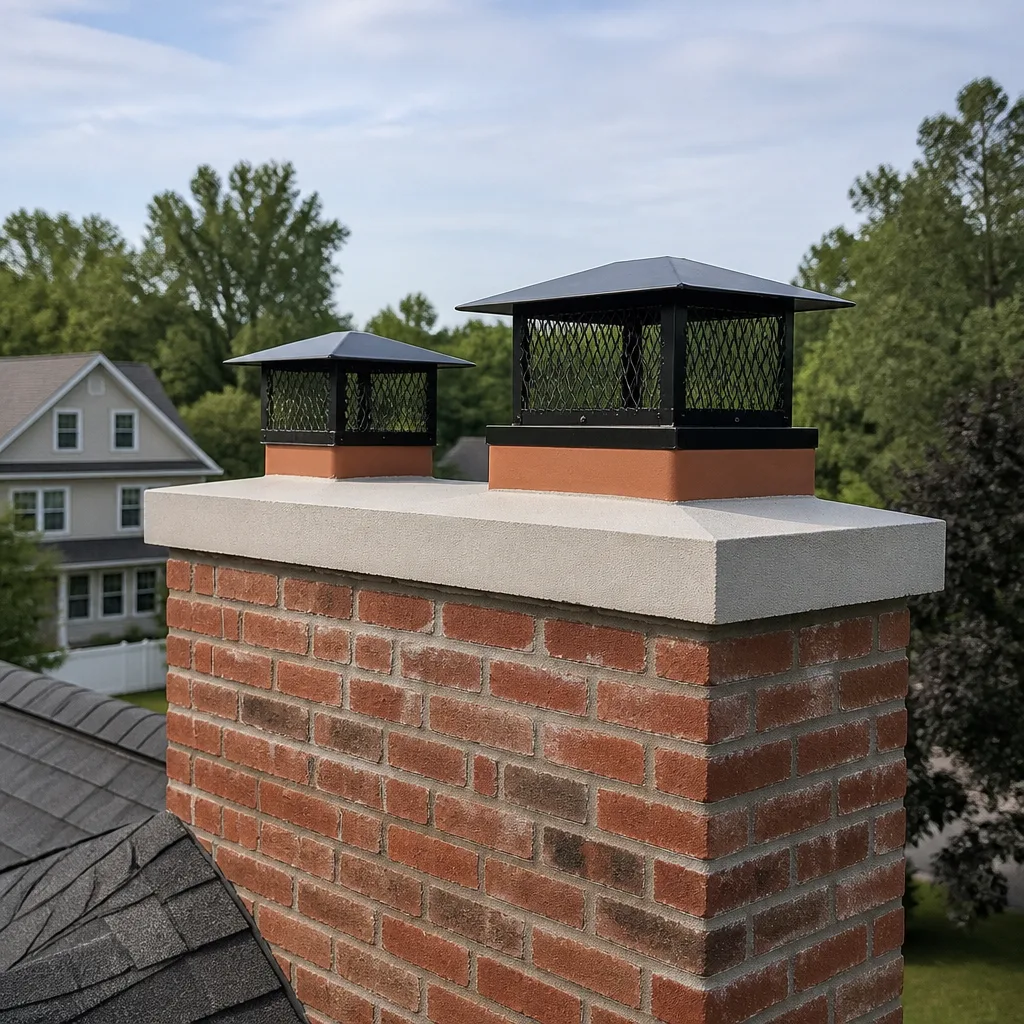 Caps & crowns
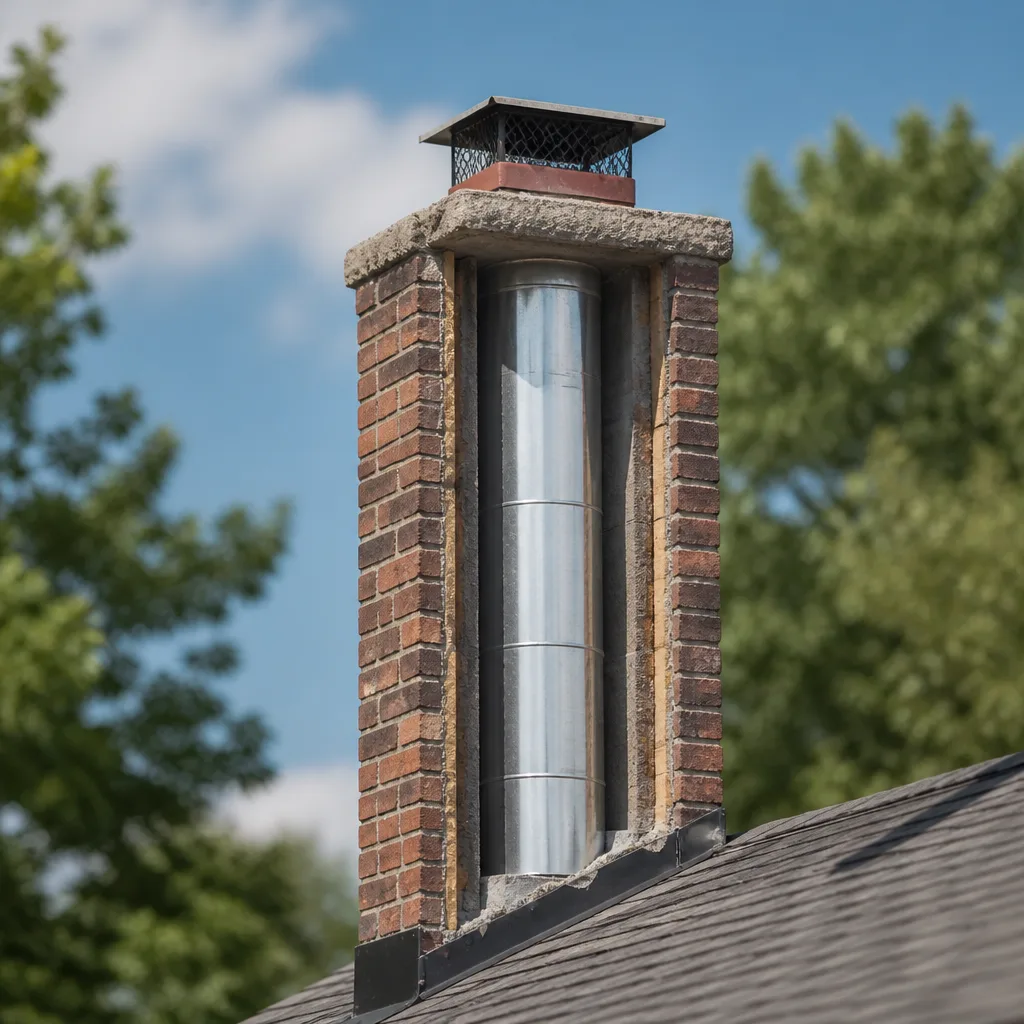 Flue relining
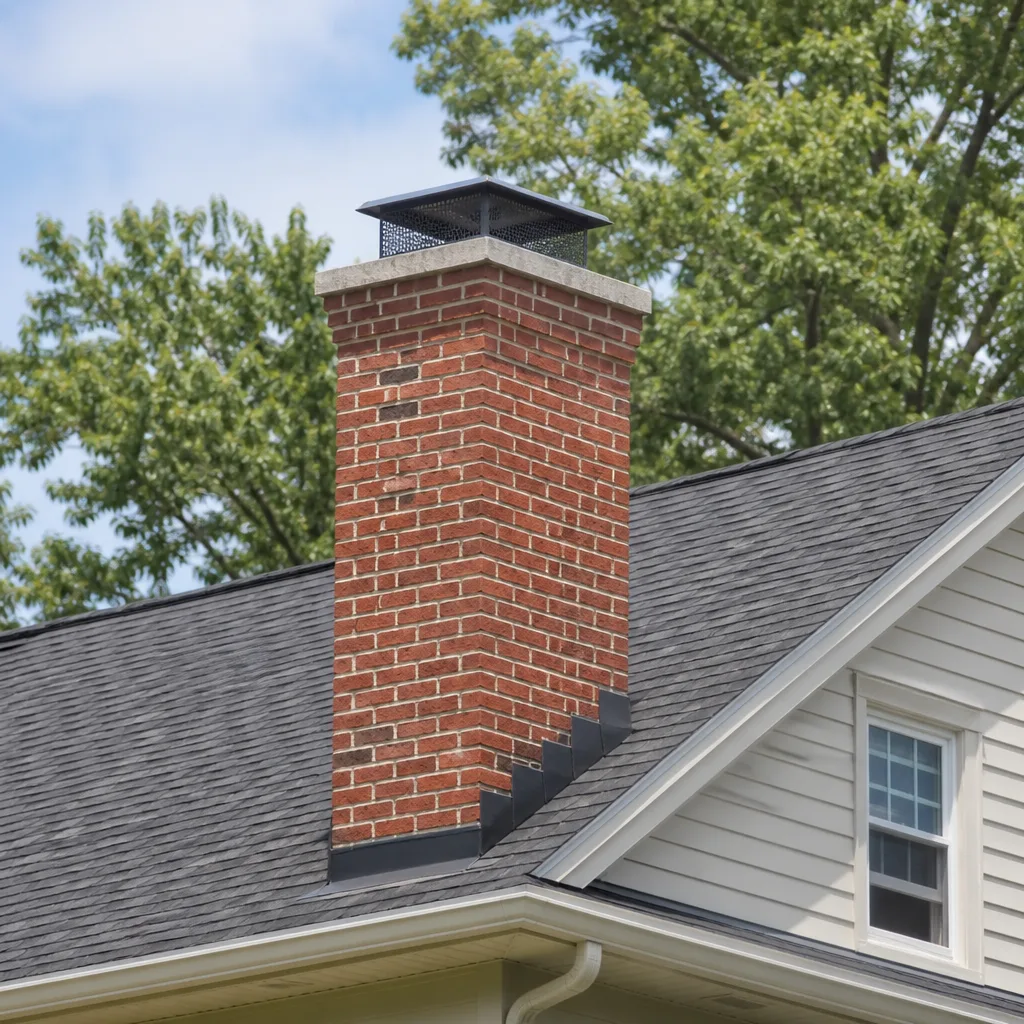 Masonry repair
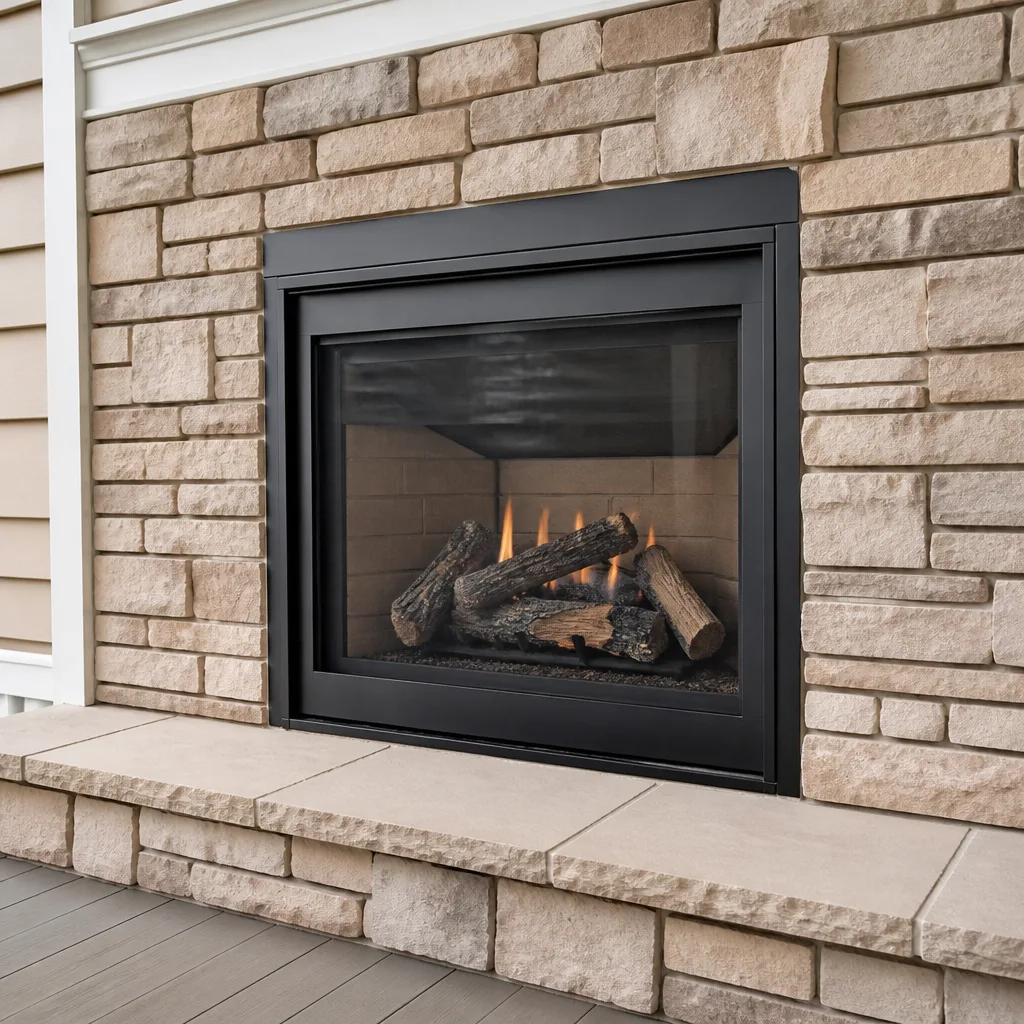 Gas fireplace service
Level 1 sweep and inspection to the NFPA 211 annual standard - flue, crown, cap, and flashing checked and photographed
Chimney sweep logs do not sweep chimneys. They loosen some creosote - which then falls where a brush and vacuum still have to collect it.
Choosing the Right Chimney Cleaning Brand: A Buyer’s Guide for Reseda
A chimney liner repair done with the wrong refractory mortar doesn’t fail immediately. It fails at 900°F during the second or third heavy fire of the season, which is exactly when you can’t tell the repair from the original failure without a camera inspection. This guide is about the products that go into your chimney, and how to tell whether a contractor in Reseda is using professional-grade materials or whatever was cheapest at the supply house that week. By the time you finish, you’ll know which brands set the standard for each repair category, what questions to ask before you hire, and how to verify the work on the finished job.
Styles & brands we work with
- Sweep & inspection
- Caps & crowns
- Flue relining
- Masonry repair
- Gas fireplace service
Quick Answer
The right chimney cleaning brand isn’t a mystery. Professional contractors in Reseda use material-specific products: HeatShield for liner restoration, DuraFlex for full relining, Sairset for refractory mortar work, and CrownCoat or CrownSeal for chimney crown repair. If a contractor can’t name the products they use, or hand-waves the question with “whatever the supply house has,” that tells you more than any review ever will. A spec-grade product matched to the actual failure mode lasts for years; a generic substitute often fails within one season of regular fireplace use.
Table of Contents
- Why the Brand on the Box Matters More Than the Name on the Truck
- HeatShield: The Standard for Liner Restoration
- DuraFlex and Stainless Liner Systems: What UL 1777 Actually Means
- Sairset and Refractory Mortar: Why Generic Mortar Fails
- CrownCoat vs. CrownSeal: What Actually Works on a Chimney Crown in LA
- Caps, Covers, and Termination: Gelco, Famco, and the Parts You Never See
- How to Ask a Contractor About Their Products, and How to Read the Answer
- How to Verify Product Quality on a Completed Job
- Common Mistakes to Avoid
- When to Call a Professional
- Frequently Asked Questions
- The Bottom Line
Why the Brand on the Box Matters More Than the Name on the Truck
Chimney work is one of the few home service categories where the materials are demonstrably more important than the labor. A skilled technician can install a bad product perfectly, and you’d never know until the repair fails. In Reseda, where winter evenings dip into the 40s and fireplaces run regularly from November through February, that failure shows up at the worst possible time: during a fire, inside your flue, where you can’t see it.
The professional-grade product lines used in chimney repair exist because general-purpose building materials don’t survive flue conditions. Your chimney is a hostile environment: acidic condensate, thermal cycling from ambient to over 1,000°F, and creosote that eats through ordinary sealants. Products like HeatShield, DuraFlex, and Sairset are formulated specifically for this environment. A bucket of refractory mortar from a big-box store is not the same product, even if it says “high temperature” on the label. The difference is in the aggregate, the binder chemistry, and how the material behaves under repeated thermal shock.
We use professional-grade liner and repair systems including DuraFlex flexible liners and HeatShield resurfacing because they’re specified by chimney professionals, not DIY-store alternatives. When you hire a contractor who names their products, you’re hiring someone whose standards are dictated by the material manufacturers, not just their own judgment. That matters in Reseda, where many homes date from the 1950s and 1960s and have original masonry chimneys that were never designed for modern heating appliance efficiency.
Think of it this way: a chimney sweep who can tell you they use HeatShield for smoke chamber parging and Sairset for firebox repair is demonstrating that they’ve been trained on specific product systems. A sweep who says “I use the good stuff” is demonstrating that they don’t know the difference.
HeatShield: The Standard for Liner Restoration
HeatShield is a cerfractory foam sealant system specifically designed for restoring damaged chimney flue liners without a full rebuild. It’s not a paint, not a spray coating, and not something you can buy at a hardware store. The product is applied by certified technicians using proprietary equipment, and it restores the liner’s integrity to meet code requirements for continued use.
The product matters here because liner restoration is a decision point where homeowners get talked into work they don’t need, or out of work they do. A cracked clay tile liner is a genuine fire hazard: if the crack opens during a chimney fire, heat and combustion gases can reach combustible framing. HeatShield fills those gaps and creates a continuous, insulated surface inside the flue. It’s specified for specific failure modes: minor cracks, spalling, and deteriorated mortar joints between tiles. It is not the right solution for a liner that has collapsed, or a flue that has shifted out of alignment. Those failures require a chimney repair in Reseda with a different approach.
The critical distinction is that HeatShield is a system, not a product. The cerfractory material has a specific expansion rate matched to the flue it’s applied to. Application requires surface preparation, controlled thickness, and proper curing between coats. A contractor who skips prep or thins the material to save time produces a liner that looks fine on camera but fails under fire conditions. We’ve seen this happen: a homeowner in Reseda was told their liner was “sealed” by another company, and the material sloughed off within one heating season because the flue wasn’t properly cleaned before application.
HeatShield-certified application for chimney liner resurfacing and smoke chamber repair means the technician completed manufacturer training and the work carries specific performance characteristics. When you’re comparing contractors, ask if they are certified to apply HeatShield, not just “familiar” with it. The certification is real and verifiable through the manufacturer.
DuraFlex and Stainless Liner Systems: What UL 1777 Actually Means
When a chimney flue is too damaged for resurfacing, the correct fix is a full relining, and the standard product is a stainless steel liner system built to UL 1777 specification. DuraFlex is a flexible stainless liner we use for this work, and it’s a good example of why the engineering matters.
UL 1777 is a safety standard for chimney liners that covers material grade, wall thickness, joint construction, and installation methods. A liner that meets UL 1777 has been tested to withstand chimney fire conditions without failing. A budget liner that isn’t UL-listed might be made from thinner gauge steel, a lower alloy grade, or use mechanical joints that separate under thermal stress. All three of those failures create the same result: combustion gases escaping the flue into the chase or the house.
The gauge and alloy are quantifiable. A proper liner for a wood-burning appliance is typically 316L stainless steel, which resists the acidic condensate produced by wood combustion. Thinner 304 stainless or aluminum liners are cheaper and fail faster in a wood-burning application. The joint method matters too: a continuously welded seam liner has no weak points, while a snap-lock seam can open under the flexing that happens during installation and thermal cycling.
In Reseda’s older housing stock, relining is a common recommendation because original clay tile liners in 60-year-old chimneys have often cracked or shifted. The difference between a DuraFlex liner installed to UL 1777 spec and a budget liner is measurable in years of service life. We can’t fabricate a specific number for you, but we can say that the material difference is not cosmetic. It’s the difference between a repair that holds and one that requires a camera inspection to diagnose why it didn’t.
DuraFlex flexible liner systems for full chimney relining are a permanent, code-compliant solution. The word “permanent” gets thrown around, but in this context it means the liner is specified to last the service life of the system, not patched and revisited. When we recommend relining in Reseda, we show the homeowner the camera footage first, then explain exactly which liner system matches the flue dimensions and appliance type.
Sairset and Refractory Mortar: Why Generic Mortar Fails
Sairset is a refractory mortar made by a company called HW Fireplace Products, and it’s one of the most commonly specified products for firebox repair and smoke chamber parging in professional chimney work. The product matters because the firebox is the part of your chimney that takes the most direct thermal abuse. Regular mortar, even Type S masonry mortar, is not formulated to withstand the repeated heating and cooling cycles of a working firebox.
The failure mechanism is specific: ordinary mortar contains Portland cement, which breaks down at high temperatures and loses its bond. Refractory mortar like Sairset is formulated with a different binder system and aggregate that maintains structural integrity at temperatures that would crumble regular masonry products. This isn’t a subtle difference. A firebox repaired with the wrong mortar will begin spalling and cracking within one heating season in Reseda, where fireplaces see regular use from late fall through early spring.
We use material-specific products for every repair: Sairset for firebox and smoke chamber work, HeatShield for liner restoration, DuraFlex for relining. The principle is that the solution is matched to the actual failure mode, not whatever generic product is on hand. A cracked firebox panel needs refractory mortar, not caulk. A deteriorating smoke chamber needs parging with a product designed for that surface, not a coat of high-temp paint.
When you interview a contractor, ask what product they use for firebox repair. If the answer is “high-temperature mortar” with no brand name, press further. A contractor who knows the difference between Sairset, a competitor’s refractory product, and a generic substitute is a contractor who has been trained on specific material systems. A contractor who can’t name their firebox repair product is guessing.
CrownCoat vs. CrownSeal: What Actually Works on a Chimney Crown in LA
The chimney crown is the concrete slab that caps the top of the chimney structure, and it’s the most commonly ignored failure point in Southern California chimneys. LA’s climate creates a specific failure pattern: wet winters, dry summers, and UV exposure that breaks down ordinary sealants. A cracked crown lets water into the chimney structure, and that water migrates into the flue liner, the smoke chamber, and the firebox, accelerating every other failure mode.
The fix is a crown coating product, and the two professional standards are CrownCoat and CrownSeal. Both are cementitious coatings formulated specifically for chimney crowns, and the distinction from elastomeric roof coatings is critical. A roof coating is designed for a horizontal surface that flexes with the structure. A chimney crown coating is designed for a masonry surface that expands and contracts at different rates than the flue tile it surrounds, and it must maintain a bond through thermal cycling and moisture exposure.
Using an elastomeric roof coating on a chimney crown is a recurring failure pattern we see in the San Fernando Valley. The product looks fine after application, but it bubbles and separates from the masonry within one to two years because it wasn’t formulated for vertical masonry surfaces or flue temperature differentials. The homeowner paid for a repair that has to be redone, and the crown has further deteriorated underneath the failed coating.
CrownCoat and CrownSeal are not interchangeable with each other either. CrownCoat is a flexible sealant designed to bridge small cracks and create a waterproof membrane. CrownSeal is applied in thicker sections and is specified for crowns with more significant surface deterioration. The right product depends on the crown’s condition, and that assessment requires looking at the crown in person. In Reseda, where many homes have original 1960s concrete crowns that have never been properly maintained, we frequently find crowns that need a full CrownSeal application rather than a quick CrownCoat touch-up.
Caps, Covers, and Termination: Gelco, Famco, and the Parts You Never See
The termination point of your chimney, the part above the crown where the flue exits, is where most external problems start. A missing or damaged cap allows rain directly into the flue, and that water becomes acidic condensate that attacks the liner, the damper, and the firebox. Animals get in. Leaves and debris accumulate and block draft. In Reseda, where the roof is often the only place to see the chimney cap, these problems go unnoticed for years.
This is where the component brands matter. Gelco and Famco are established manufacturers of chimney caps and termination products, and they’re part of the supply chain we use for Reseda chimney work. The difference between a Gelco cap and a generic metal cap is the gauge of the steel, the quality of the screen mesh, and the fitment for your specific flue dimensions. A properly sized cap with a quality screen prevents animal entry and debris accumulation while maintaining proper draft. A generic cap that’s the wrong size can actually restrict airflow and create a draft problem that didn’t exist before.
We source components from a curated set of recognized industry suppliers, including Olympia Chimney, Copperfield, Famco, and Gelco. This gives our customers access to properly matched, durable parts rather than generic substitutes. When the cap, crown, and liner are all specified to work together, the system functions as designed. When any one component is substituted with a generic version, the failure point just moves to the weakest part.
The practical takeaway for a Reseda homeowner: ask your chimney sweep what brand of cap they install, and whether it’s sized for your specific flue. A vague answer like “a stainless cap” doesn’t tell you anything about the gauge, the mesh, or whether it’s actually going to fit. A contractor who names their cap manufacturer is working with established distribution channels and can get the right part when your chimney needs it.
This full-system approach is why we combine chimney sweep in Reseda services with repair and dryer vent cleaning in Reseda. The chimney and the dryer vent are the two most common residential venting fire hazards, and they fail in similar ways: heat, debris, and a lack of attention. A single service relationship means the person who inspects your chimney annally also knows what’s going on with your dryer vent, and can spot problems before they become fires.
How to Ask a Contractor About Their Products, and How to Read the Answer
Here’s the uncomfortable truth: most homeowners don’t ask about product brands because they don’t know what to ask. Contractors know this, and they structure their sales pitches accordingly. You can get past that by asking direct, specific questions and watching how the answer lands.
Here’s a step-by-step approach that works in any chimney company interview:
- Ask what product they use for liner restoration. A knowledgeable answer is “HeatShield” or an equivalent named system from a manufacturer you can look up. A vague answer is “a sealant” or “a special coating.” A defensive answer is “I’ve been doing this for years, you don’t need to worry about that.”
- Ask what product they use for firebox and smoke chamber repair. The answer should be a refractory mortar brand like Sairset, and they should be able to explain why regular mortar won’t work. If they can’t explain the failure mechanism of regular mortar in a firebox, they don’t understand the material they’re applying.
- Ask about their relining materials. If they recommend a stainless liner, ask about the alloy grade and whether the liner meets UL 1777. The correct answer is 316L stainless for wood-burning applications and a UL-listed system. If they can’t answer this, they might be installing non-listed liners, which is a code violation and a safety hazard.
- Ask what brand of cap they install. Gelco and Famco are recognizable names from established manufacturers. If the contractor can’t name their cap supplier, they’re probably buying generic caps at the supply house and those caps might not match your flue dimensions.
- Ask if you’ll get camera footage of the work. A contractor who says no is hiding something. A contractor who says yes, and actually provides before-and-after documentation, is running a professional operation. We explain what we find, and that includes showing you the inside of your flue before and after any repair.
In our experience serving Reseda homeowners, the quality of a contractor’s answer to these questions predicts the quality of the work better than any review or referral. A contractor who can name their products and explain why they chose them is operating with material standards. A contractor who can’t is operating with a truck and a brush.
How to Verify Product Quality on a Completed Job
You’ve hired the contractor, the work is done, and now you want to know if you got what you paid for. With chimney work, most of the product is hidden inside the flue where you can’t see it. But there are physical characteristics you can check, both on the visible portion of the work and through documentation.
Here’s what to look for after a completed chimney repair:
- Camera documentation. Professional chimney work should include before-and-after stills or video from a chimney camera. The after footage should show a continuous, smooth surface inside the flue with no visible gaps, cracks, or uncoated areas. If the contractor won’t provide this, that’s a red flag.
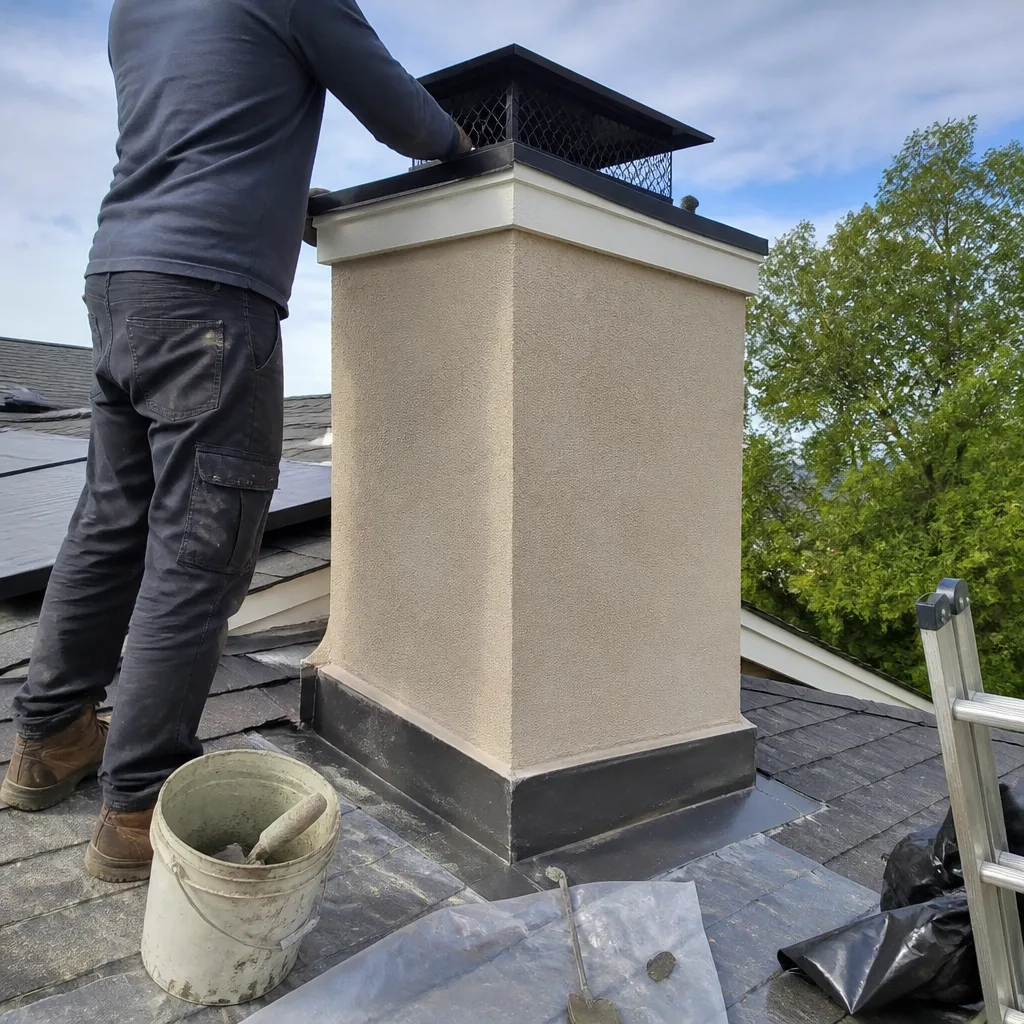
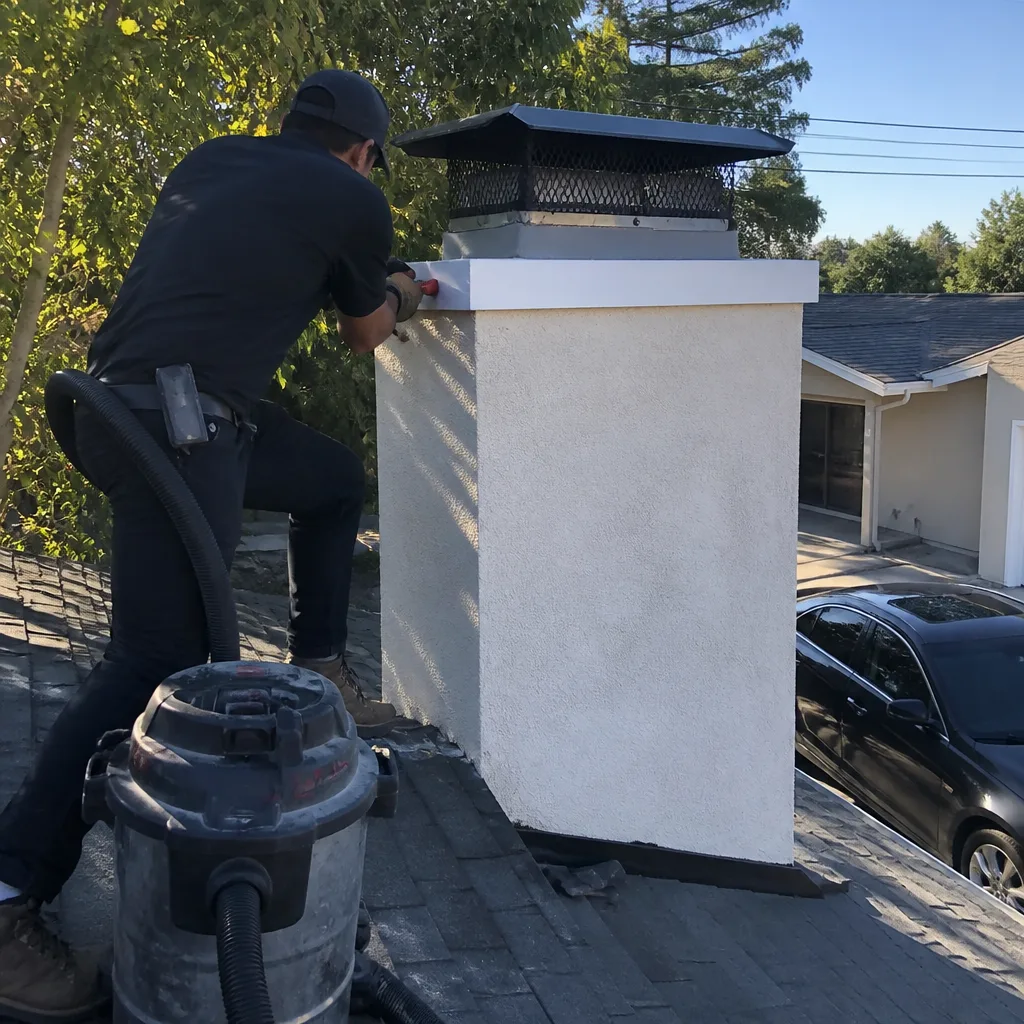
- Crown coating appearance. A properly applied CrownCoat or CrownSeal surface should be uniform in color and thickness, with no visible bubbling, pooling, or bare spots. The coating should extend to the edge of the crown and create a seamless waterproof surface. Brush marks are fine; drips and thin patches are not.
- Cap fitment. A professional-grade cap should sit securely on the flue with no wobble, and the screen mesh should be taut, not sagging or torn at the corners. The cap should be sized to the flue, not sitting on top with visible gaps around the edges.
- Firebox repairs. If refractory mortar was applied to the firebox, the surface should be smooth and consistent after curing. Cracks, crumbling, or a chalky texture a few weeks after application indicates the wrong product or improper mixing.
- Documentation of materials. Ask for the manufacturer documentation for any liner system, coating, or cap installed. UL-listed liners have documentation, and certified applicators can provide it. If the contractor can’t produce manufacturer literature for the products they claim to have used, you may have received substitutes.
The underlying principle is simple: professional-grade products, properly applied, have visible and documentable characteristics. If the finished job doesn’t look like the manufacturer’s specifications describe, you have a legitimate question to ask. And if the contractor can’t show you what went into the flue, assume it wasn’t what was promised.
Common Mistakes to Avoid
- Hiring based on price alone. A chimney repair done with generic materials is cheaper and fails faster. That’s not a value, it’s a recurring expense. In Reseda, where many older homes need liner work, the cheap quote often turns into a two-repair job.
- Accepting verbal assurances about product quality. “We use the good stuff” is not a brand. Get specifics, write them down, and verify them after the work is complete. If a contractor won’t put product names on a work order, consider that a warning.
- Using elastomeric roof coating on a chimney crown. This is the most common crown repair mistake in Southern California. Roof coatings aren’t formulated for masonry chimney crowns and fail predictably within two years. The right product is a crown-specific coating like CrownCoat or CrownSeal.
- Ignoring the smoke chamber during a liner repair. A liner replacement alone doesn’t address smoke chamber deterioration, which is a separate failure mode. HeatShield resurfacing addresses both, but only if the contractor actually applies it to the smoke chamber. Ask specifically where the product will be applied.
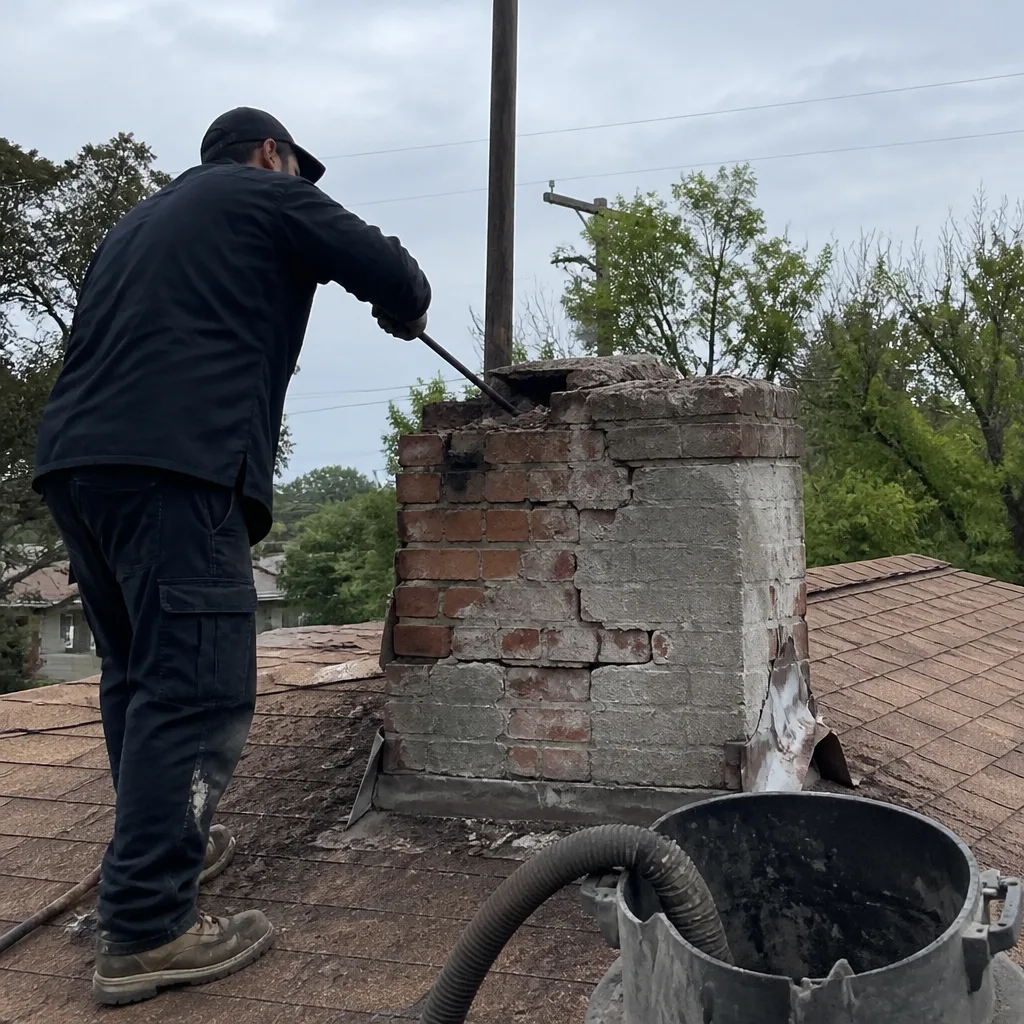
- Skipping the camera inspection. Any chimney repair or relining recommendation should be based on camera footage of the flue’s actual condition. A contractor who recommends liner work without showing you the camera footage is asking you to trust their word on a repair you can’t see.
- Choosing a contractor who doesn’t do dryer vents. Your chimney and your dryer vent are the two venting systems that move heat and combustion byproducts out of your house. Having them inspected by different companies creates coordination gaps. A single provider who does both sees the full picture.
- Focusing on the sweep and ignoring the components. A clean flue with a cracked liner is still a fire hazard. The Chimney Sweep Reseda home approach is that sweeping, repair, and component replacement are all part of the same system. Sweeping alone doesn’t make an unsafe chimney safe.
When to Call a Professional
Call a professional chimney contractor when any of these specific conditions apply: you’ve never had the chimney inspected since you bought the house, you’re buying a house with an existing fireplace, you notice water stains on the ceiling around the chimney, you hear animals in the flue, you see flaking or spalling on the chimney exterior, or your last sweep was more than a year ago and you use the fireplace regularly during Reseda winters. If you’ve been told you need liner work and the contractor can’t show you camera footage of the damage, get a second opinion before signing anything. A legitimate liner recommendation should come with visual evidence you can see for yourself. Chimney Sweep Reseda offers free estimates in Reseda, call (866) 562-0968.
Frequently Asked Questions
Professional chimney companies in Reseda use material-specific product lines: HeatShield for liner restoration, DuraFlex for stainless relining, Sairset for refractory mortar work, and CrownCoat or CrownSeal for crown repair. Component sourcing typically comes through established industry distributors like Copperfield or Olympia Chimney, with caps from manufacturers like Gelco or Famco. The key is that these are named, verifiable products from manufacturers with published specifications, not generic substitutes from a hardware store. Call (866) 562-0968 to ask us which products match your chimney’s condition.
Liner repair costs in Reseda depend on whether the fix is a HeatShield resurfacing application or a full DuraFlex relining. Resurfacing is appropriate for minor cracking and costs less than a full relining, which involves removing the old liner or installing a new stainless system inside the existing flue. A partial repair without a proper diagnosis is a false economy: you’ll pay again when the underlying issue surfaces. Get a camera inspection first, then get a specific quote. Call (866) 562-0968 for a free estimate from Chimney Sweep Reseda, with camera documentation included.
It depends on the specific failure mode, which is why a camera inspection is non-negotiable. Minor cracks and deteriorated mortar joints can often be addressed with HeatShield resurfacing. A collapsed or shifted liner, or extensive spalling, requires a full relining with a UL 1777 listed stainless system. The determining factors are the extent of the damage, the flue dimensions, and the appliance type. Don’t accept a liner recommendation without seeing the camera footage that supports it. Call (866) 562-0968 and we’ll show you exactly what we’re seeing inside your flue.
The National Fire Protection Association recommends a chimney sweep and inspection at least once per year, regardless of fuel type. In Reseda, where fireplaces see seasonal use from late fall through early spring, an annual sweep before the first fire of the season is the practical standard. If you burn more than two cords of wood annually, or if you notice any change in draft, smoke smell, or visible creosote buildup, schedule a mid-season check. Call (866) 562-0968 to book your annual chimney sweep in Reseda.
Skipping chimney inspections allows three failure modes to develop undetected: creosote accumulation that becomes fuel for a chimney fire, liner deterioration that allows heat transfer to combustible framing, and water intrusion that accelerates structural decay of the entire chimney system. None of these announce themselves until they fail, and failure is expensive or dangerous. An annual inspection with camera documentation catches these problems before they reach crisis stage. In Reseda’s older homes, we regularly find conditions that have been developing for years because nobody looked. Call (866) 562-0968 to get your chimney inspected before burning season.
Yes, and it’s a logical combination. Chimney sweeps are trained in venting system inspection and cleaning, and dryer vents share the same fundamental hazards: heat, lint or creosote accumulation, and restricted airflow. A single contractor who handles both your chimney and your dryer vent in Reseda sees the complete picture of your home’s venting systems and can identify problems across both. Call (866) 562-0968 to schedule both services together.
The Bottom Line
The products a Reseda chimney contractor uses reveal more about their standards than any credential or review. HeatShield, DuraFlex, Sairset, CrownCoat, and CrownSeal are not brand-name vanity; they’re material specifications tied to specific failure modes in chimney systems. A contractor who names these products and explains why they’ve selected them for your chimney is operating with engineering standards, not guesswork. A contractor who can’t answer basic material questions is asking you to trust their judgment on repairs you can’t see. Combined with camera documentation and a full-system approach to chimney and dryer vent safety, the right brands and the right questions protect you from repairs that fail at the worst possible moment. Call (866) 562-0968 for a free estimate, and ask us which products match your chimney’s condition. We’ll tell you.
Written by the team at Chimney Sweep Reseda, serving Reseda since 2012.
See the difference
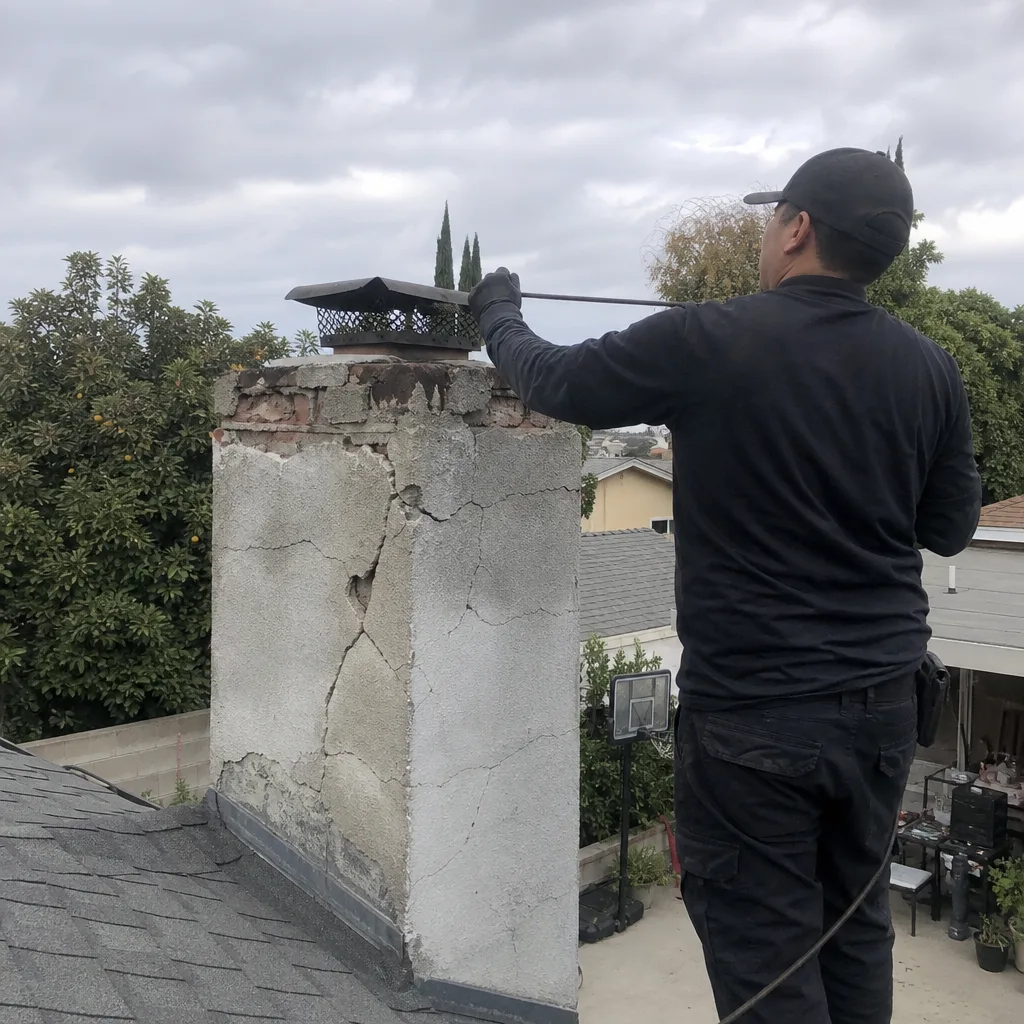 Before
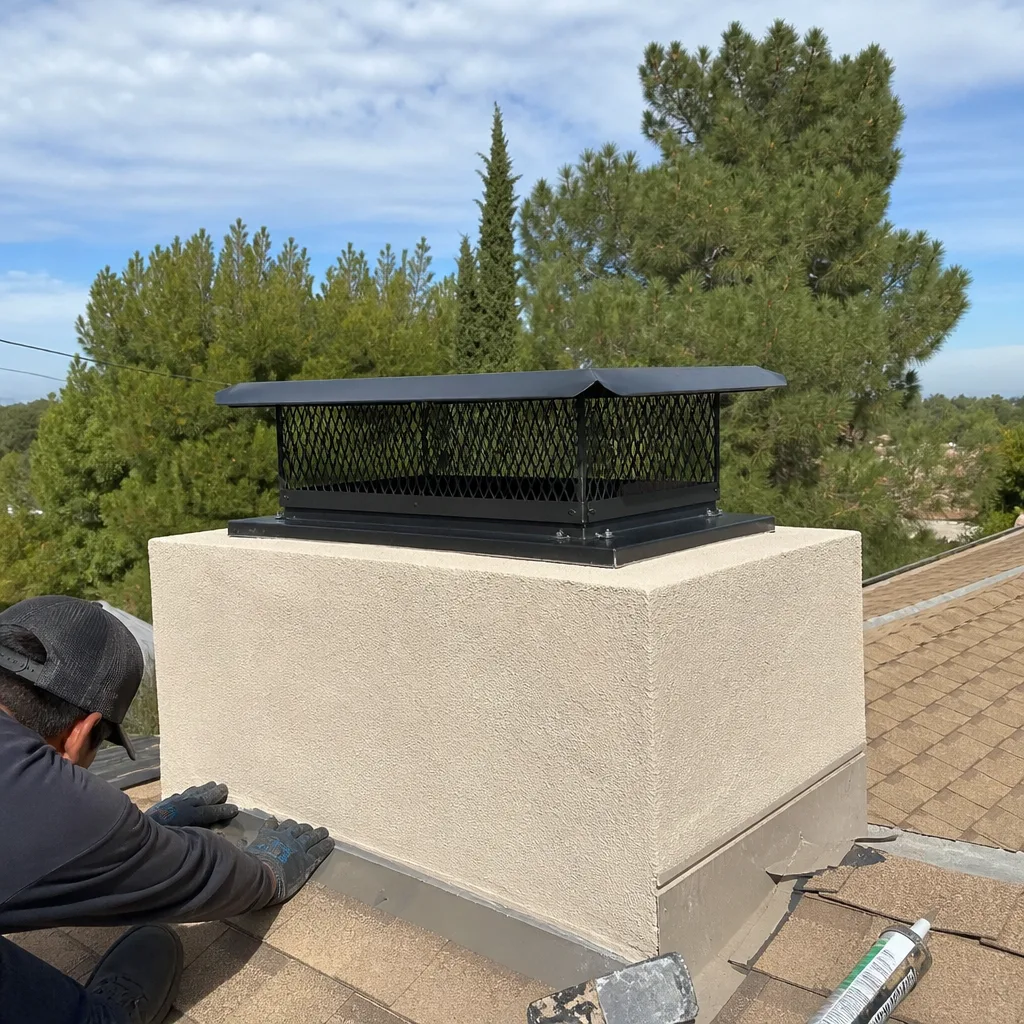 After
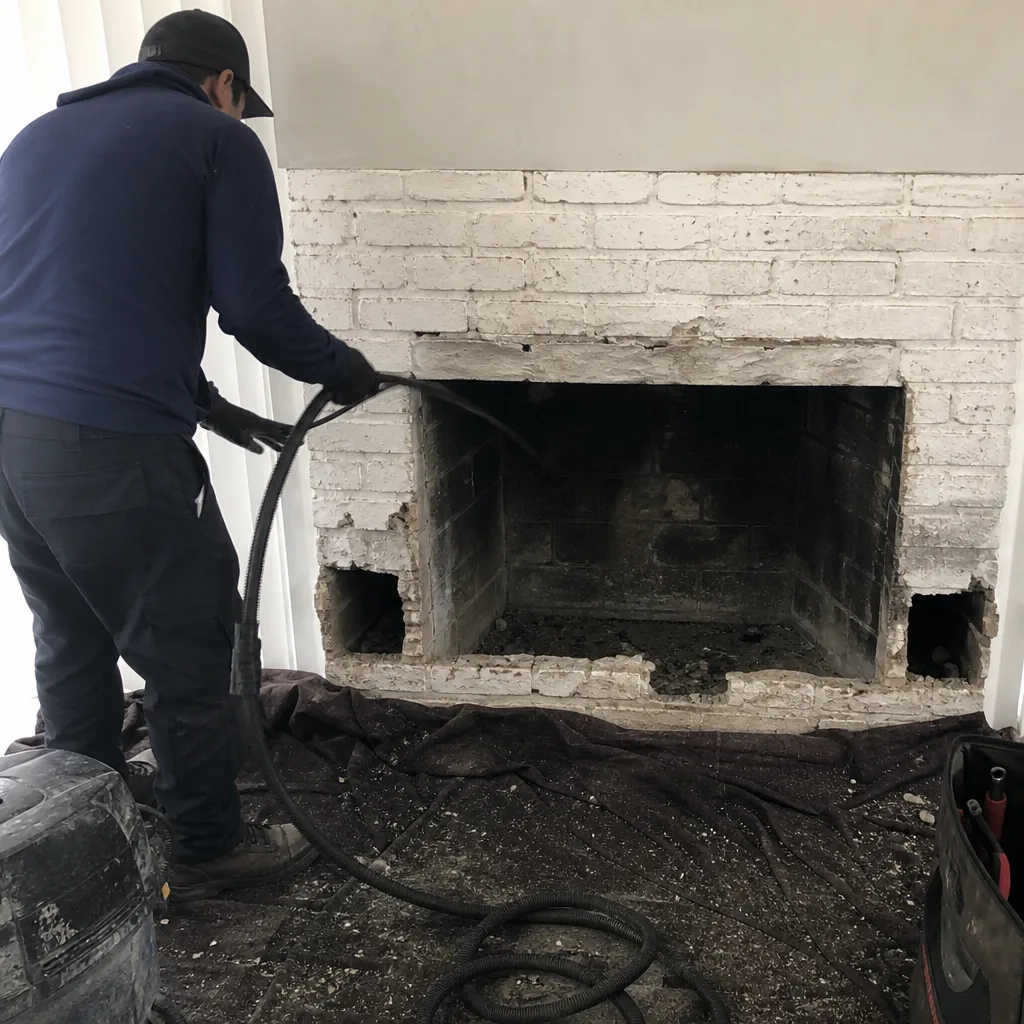 Before
 After
 Before
 After